
Afternoon hunger often arrives with a side of brain fog. The instinct is to grab something quick — a granola bar, a handful of candy, or maybe a pastry from the office kitchen. But those fast fixes are precisely what send your energy on a roller coaster: a sharp spike, then an inevitable crash that leaves you reaching for more.
There is a better way. A small, balanced snack that takes about five minutes to prepare can stabilize blood sugar, provide sustained energy, and keep you focused for hours. No complicated recipes. No exotic ingredients. Just smart, everyday foods chosen for how they work together in your body.
Why Most Quick Snacks Backfire
When you eat a carbohydrate-rich food alone — especially one that’s low in fiber — your digestive system breaks it down rapidly. Glucose floods your bloodstream, prompting a surge of insulin. That insulin pulls too much sugar out of circulation, leaving you low and sluggish within an hour or two. This pattern, repeated throughout the day, contributes to fatigue, cravings, and weight gain over time.
To break the cycle, you need a snack that pairs carbohydrates with protein, healthy fat, or both. This slows digestion and provides a gradual release of glucose. The result: energy that lasts, and no sudden drop-off.
The 5-Minute Formula: Protein + Fiber + Good Fat
A single snack that hits all three of these macros is surprisingly simple. Think of it as a template: start with a base of whole food carbohydrate (fruit, whole grains, or starchy vegetables), add a source of protein (yogurt, nuts, seeds, or lean meat), and finish with a small amount of unsaturated fat (avocado, olive oil, or a few nuts).
Here are three examples you can assemble in five minutes or less:
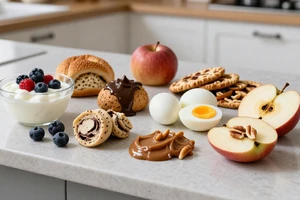
- Apple slices with 1–2 tablespoons of natural peanut butter. The apple provides fiber and carbohydrates; the peanut butter supplies protein and healthy fat. This classic combo keeps blood sugar stable for a good two to three hours.
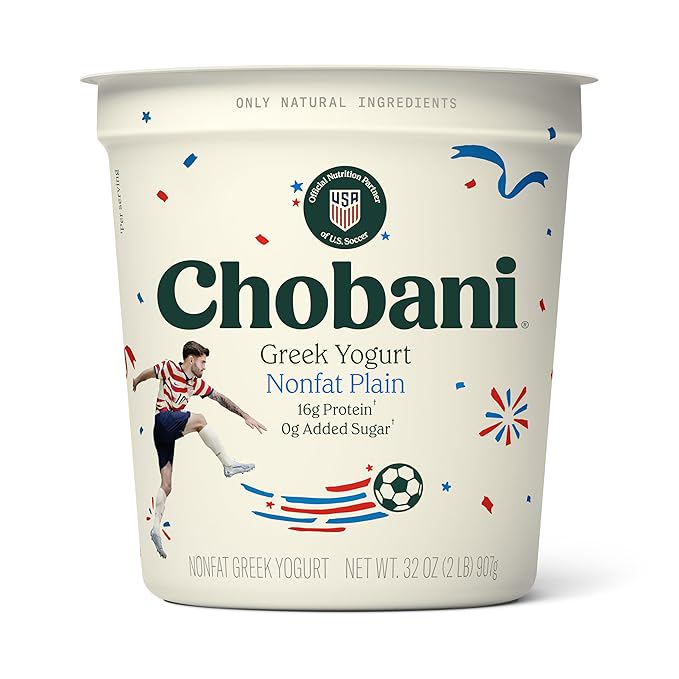
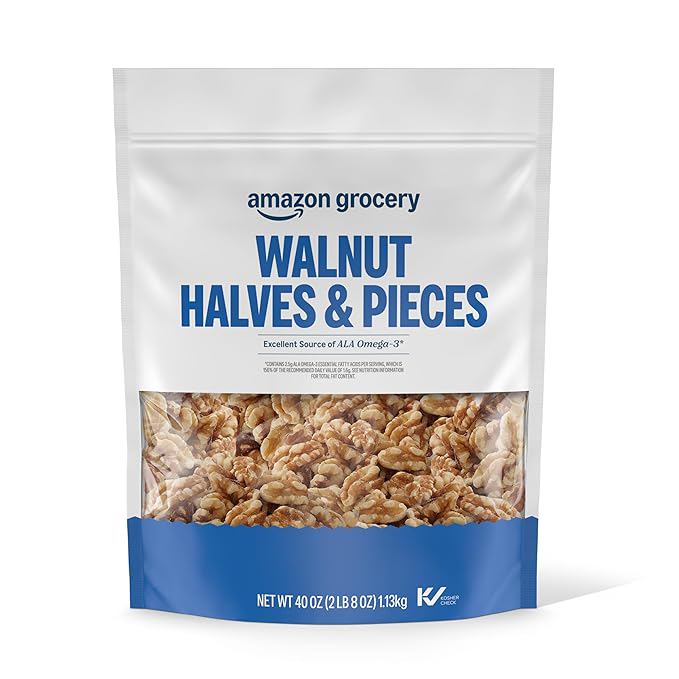
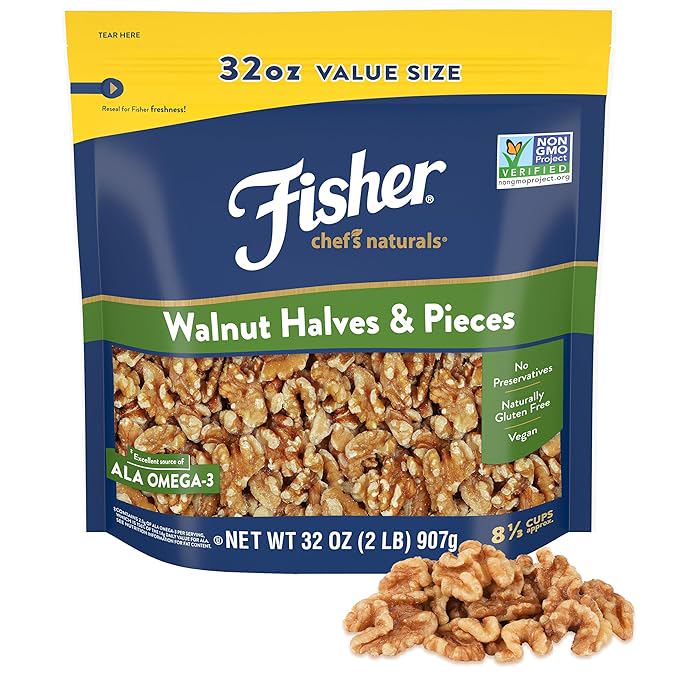
- A small bowl of plain Greek yogurt (about ¾ cup) with a handful of berries and a tablespoon of chopped walnuts. Greek yogurt is high in protein, berries add fiber and antioxidants, and walnuts contribute omega-3 fatty acids. Stir and eat.
- Half an avocado mashed onto a slice of whole-grain toast, topped with a pinch of salt and red pepper flakes. The avocado delivers monounsaturated fat and fiber; the toast provides complex carbohydrates. This savory option is especially satisfying for those who prefer something warm or savory over sweet.
What the Science Says About Steady Energy
Research on blood sugar regulation shows that meals and snacks containing at least 15 grams of protein and 3–5 grams of fiber significantly reduce the glucose spike that follows a carbohydrate-heavy meal. Protein stimulates the release of glucagon-like peptide-1 (GLP-1), a hormone that slows gastric emptying and blunts the rise in blood sugar. Fiber, especially soluble fiber found in oats, apples, and chia seeds, forms a gel-like substance in the gut that further delays carbohydrate absorption.
Healthy fats, such as those in avocados, nuts, and olive oil, also slow digestion and promote a feeling of fullness. Together, these components create a controlled energy release that supports both mental clarity and physical stamina.
One Snack That Doesn't Quite Make the Cut
The original source material suggests homemade detox drinks (lemon-ginger, cumin-cinnamon, and chia-lemon) as metabolic boosters for weight loss. While these beverages do contain beneficial ingredients — ginger has anti-inflammatory compounds, cumin supports digestion, chia seeds offer soluble fiber, and lemon provides vitamin C — they are essentially flavored water with minimal protein and calories. They are unlikely to prevent a sugar crash because they lack the protein and fat needed to sustain blood sugar levels over time.
From a nutrition perspective, a drink alone is not a snack. It may hydrate and add small amounts of nutrients, but it will not keep energy steady for more than an hour. If you enjoy a warm lemon-ginger drink, consider having it alongside a small handful of almonds or a boiled egg. That transforms it into a balanced mini-meal that truly supports stable energy.
For sustained energy, the structure of a snack matters more than any single ingredient. The 5-minute snack formula — combining protein, fiber, and fat with a whole-food carbohydrate — is a reliable, low-effort strategy for avoiding the afternoon slump. Once you have the template down, you can vary the ingredients based on what you have on hand. The key is to keep it real, keep it simple, and eat it when you feel that first dip in focus.
That is the snack that works.