Grabbing a quick snack between meals is a universal habit, but it's easy to fall into patterns that leave you more drained than energized. Many of us reach for something convenient without thinking about how it will actually make us feel twenty minutes later. The goal isn't to banish snacks—it's to choose them wisely so they support steady energy, not a crash.
Two specific missteps tend to sabotage even the best intentions. The good news is that both are easy to fix once you know what to look for. Below, we break down these common mistakes and offer a practical, delicious alternative that proves a quick snack can be both satisfying and genuinely good for you.
Mistake #1: Choosing refined carbs without protein or fat
A granola bar, a handful of pretzels, or a piece of white toast with jam might feel like instant fuel, but these options are largely simple carbohydrates. Your body digests them rapidly, sending a sugar spike into your bloodstream followed by a sharp drop that often leaves you sluggish and hungry again soon after. This blood sugar rollercoaster is the opposite of sustained energy.
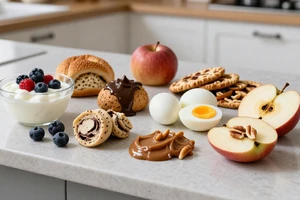
For stable stamina, pair carbohydrates with protein, healthy fat, or fiber. That combination slows digestion and provides a gradual release of glucose. Think apple slices with almond butter, a hard-boiled egg with a few whole-grain crackers, or Greek yogurt with berries. The difference in how you feel an hour later is dramatic.
Mistake #2: Ignoring nutrient density—thinking all "healthy" snacks are equal
It's easy to assume that a snack labeled "natural" or "low-fat" is a smart choice. But many packaged snacks lack the vitamins, minerals, and antioxidants your body actually needs to perform well. A snack that offers calories without meaningful nutrition is a missed opportunity to support your immune system, focus, and recovery.
Take the humble onion as an example. Onions are rich in quercetin, a potent antioxidant, along with compounds shown to support immunity and reduce inflammation. When snacking, aim for ingredients that pull double duty—satisfying your palate while contributing real nutrients. The recipe below uses onions as its star ingredient and bakes them instead of deep-frying, making it a smart choice for energy without the heavy feeling of greasy food.
A better way: Baked onion rings with gram flour
This recipe eliminates deep-frying while keeping the crunch. Gram flour (besan) provides protein and fiber, and the baking method cuts down on oil without sacrificing texture. Here’s how to make a batch that pairs wonderfully with tea or as a savory afternoon pick-me-up.
What you'll need
- 2 medium onions
- 3/4 cup gram flour (besan)
- 2 teaspoons baking powder
- 3 eggs
- 1/2 cup dry breadcrumbs (preferably whole wheat)
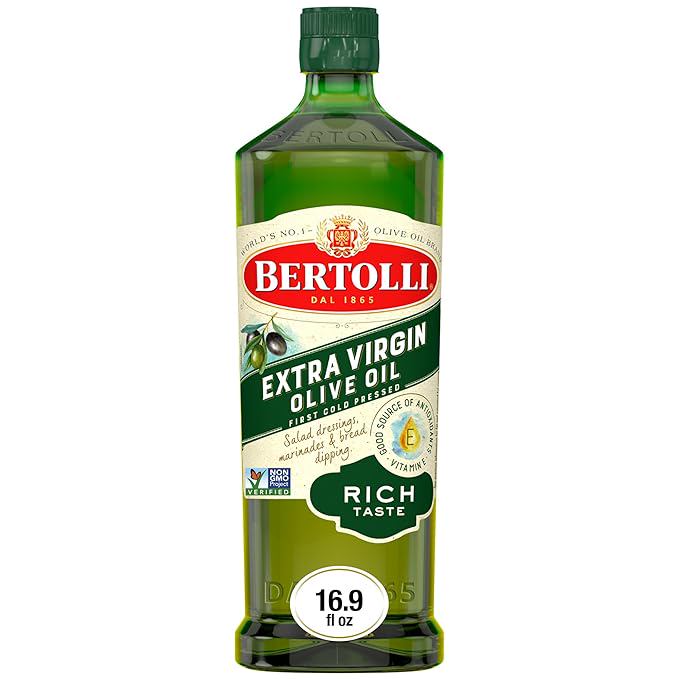
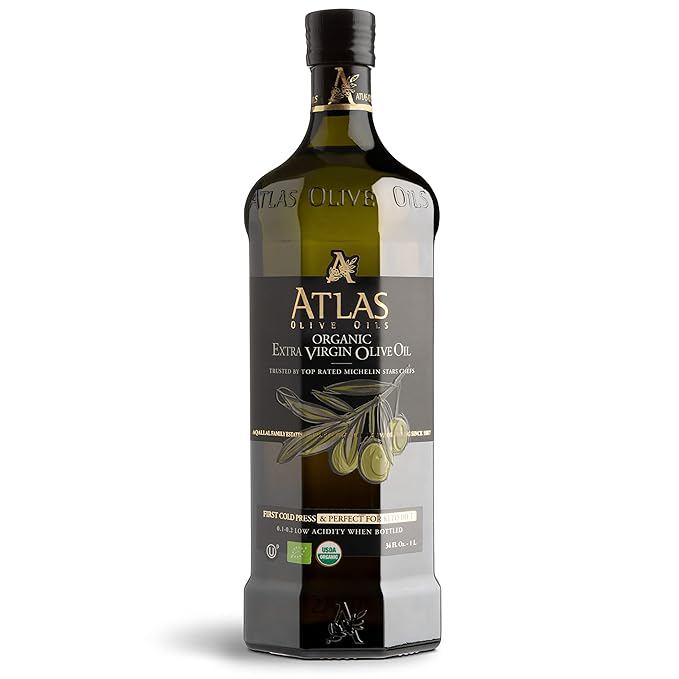
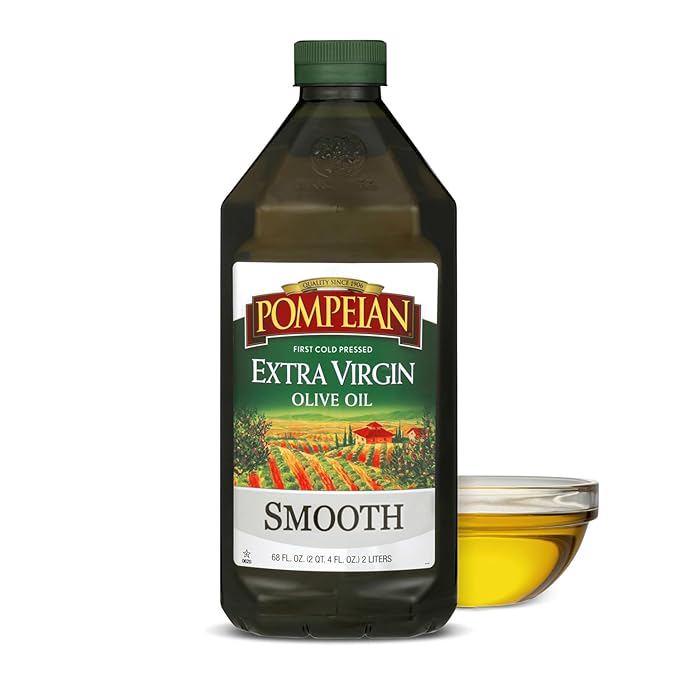
- Olive oil
- ½ teaspoon each of salt, turmeric, and black pepper
Make your own breadcrumbs
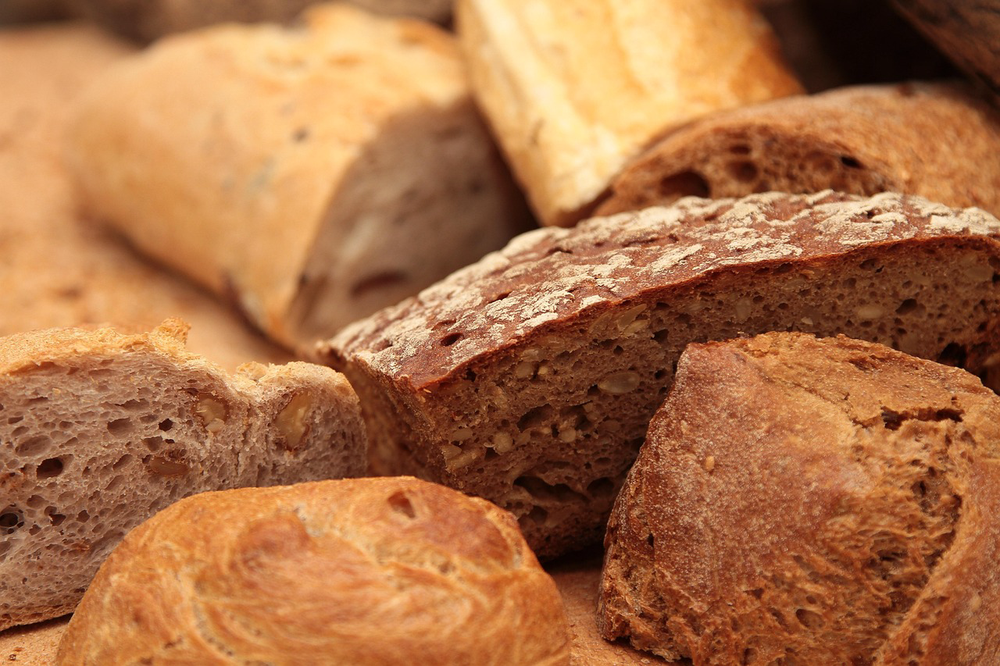
Preheat your oven to 250°F (120°C). Place crust-free bread slices on a baking sheet for 15–20 minutes. Let them cool, then break into crumbs. This step takes little effort and makes a noticeable difference in texture.
Step-by-step instructions
- Preheat the oven to 450°F (232°C) and lightly coat baking sheets with olive oil.
- Peel the onions and slice them into ½-inch-thick rings. Place rings in a bowl of cold water.
- In one bowl, combine gram flour and baking powder. In a separate bowl, beat the eggs.
- In a third bowl, mix the breadcrumbs with salt, black pepper, and turmeric.
- Take one ring at a time, shake off excess water, and coat it in the flour mixture. Then dip it into the egg, and finally press it into the seasoned breadcrumbs. Shake off any excess at each step.
- Place the coated rings on the baking sheet, lightly drizzle or brush with olive oil, and bake for 10 minutes. Flip each ring and bake for another 10 minutes, or until golden brown and crisp.
These baked rings deliver crunch, flavor, and real vegetable nutrition. They're a perfect example of how a quick snack can be both convenient and energetically supportive—without the oil-logged downside of the deep-fried version.
A final note on snacking well: The next time you feel that afternoon dip, pause before grabbing the nearest bag of chips or sugary bar. Ask yourself whether that snack will fuel your body with lasting energy or just a quick fix. A little planning goes a long way.