Most of us reach for a bite after dinner out of habit. The TV is on, the dishes are done, and a little something sweet or salty just feels like the right way to cap off the evening. But if you have blood sugar concerns—or if you've been feeling unusually tired, headachy, or just "off" in the late evening—that seemingly harmless snack might actually be covering up a deeper pattern of nocturnal hypoglycemia.
Low blood sugar (hypoglycemia) doesn't always announce itself with dramatic shakes or fainting. Sometimes it whispers with subtle signs that are easy to mistake for hunger, stress, or simple fatigue. When we routinely eat right after dinner, we may never give our body the chance to send those signals in the first place. Let's unpack what's actually happening—and how to recognize the difference between true hunger and a blood sugar drop that needs attention.
The quiet symptoms of low blood sugar after dinner
Hypoglycemia occurs when blood glucose falls below a typical healthy range—usually under 70 mg/dL for most people, though individual thresholds vary. The classic "adrenaline" symptoms like sweating, trembling, and rapid heartbeat are well known, but they are not the only signs. In fact, many people experience what's called hypoglycemia unawareness, where the more obvious cues are muted or absent.
Evening or late-night hypoglycemia can appear as:
- Unexplained fatigue or grogginess that hits right after dinner, as if a wave of exhaustion rolls in.
- Irritability or moodiness that seems disproportionate to the situation.
- Headaches that start between 8 and 10 p.m.
- Night sweats or restless sleep, followed by a morning blood sugar spike (the Somogyi effect).
- Brain fog—trouble focusing on a TV show, book, or conversation.
A bedtime snack that contains carbohydrates (especially simple sugars) can quickly raise blood glucose, making you feel better in the moment—but that relief may be masking the fact that your levels were low in the first place.
Why after-dinner cravings are a clue, not a character flaw
If you find yourself craving chips, cookies, or a second helping of dessert most nights, it's worth asking: is this genuine hunger, or is my body trying to tell me something else? A true low blood sugar episode triggers the release of counter-regulatory hormones like glucagon and epinephrine. Those hormones, especially epinephrine, create a sense of urgency that can feel just like a powerful craving. Your brain, which runs on glucose, is essentially sending an SOS signal.
Eating after dinner every evening creates a pattern: you drop a bit low, you eat, you feel better—and you never investigate what the real glucose levels were. Over weeks and months, this can desensitize your awareness of hypoglycemia, making it harder to notice when your blood sugar is actually dropping during the day as well.
What about people with diabetes?
If you have type 1 or type 2 diabetes and take insulin or certain oral medications (like sulfonylureas), the risk of low blood sugar after dinner is particularly relevant. Dinner may contain a complex mix of protein, fat, and carbs that digest at different rates. Insulin dosing that doesn't perfectly match this lag can lead to a late-evening dip. A snack at 8 p.m. could be treating hypoglycemia that you didn't even realize was there. If you check your blood sugar before that snack and it's well within range, then the snack is purely elective. But if you're not checking, you simply don't know.
How to tell the difference: hunger vs. low glucose
Not every evening snack is problematic. The key is distinguishing between voluntary eating and a physiological response to dropping glucose. Here are a few ways to become more aware:
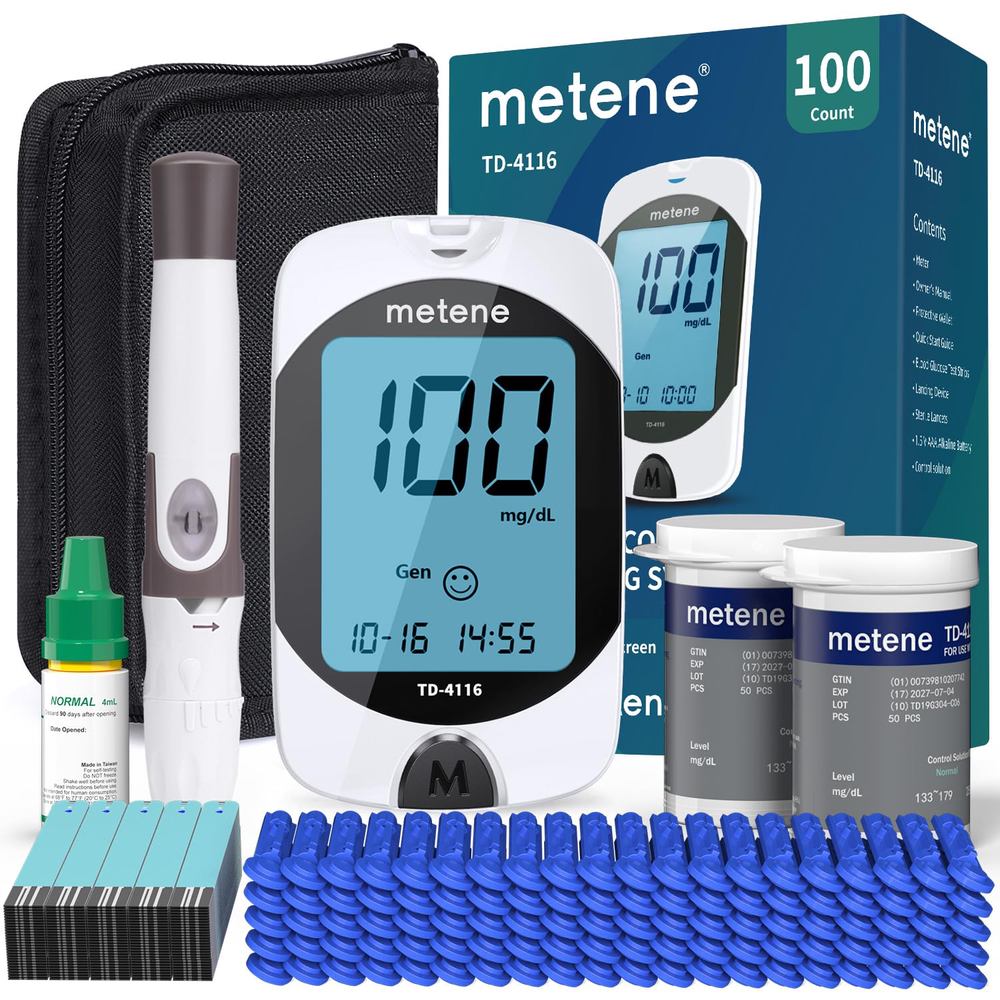
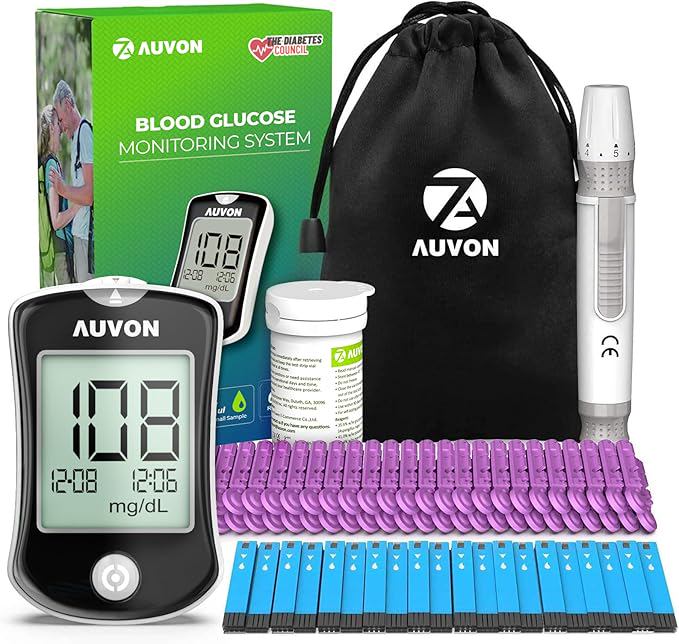
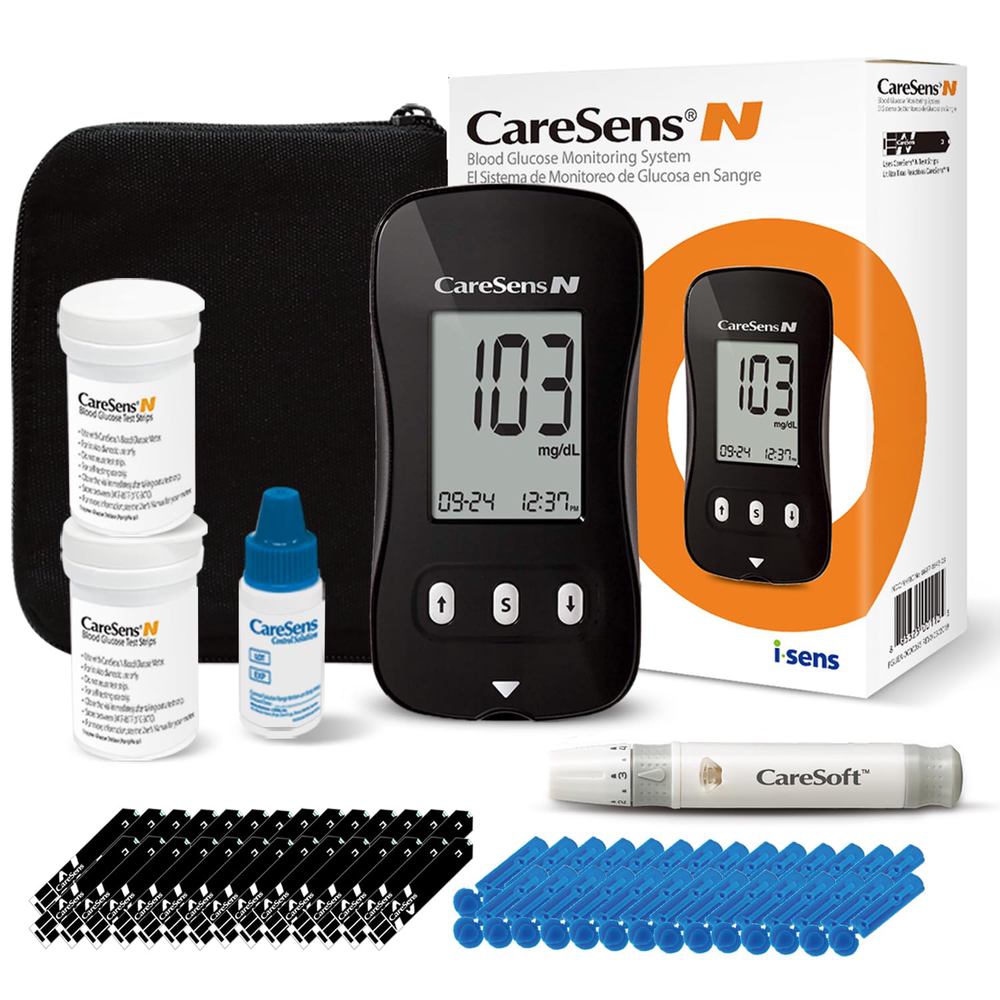
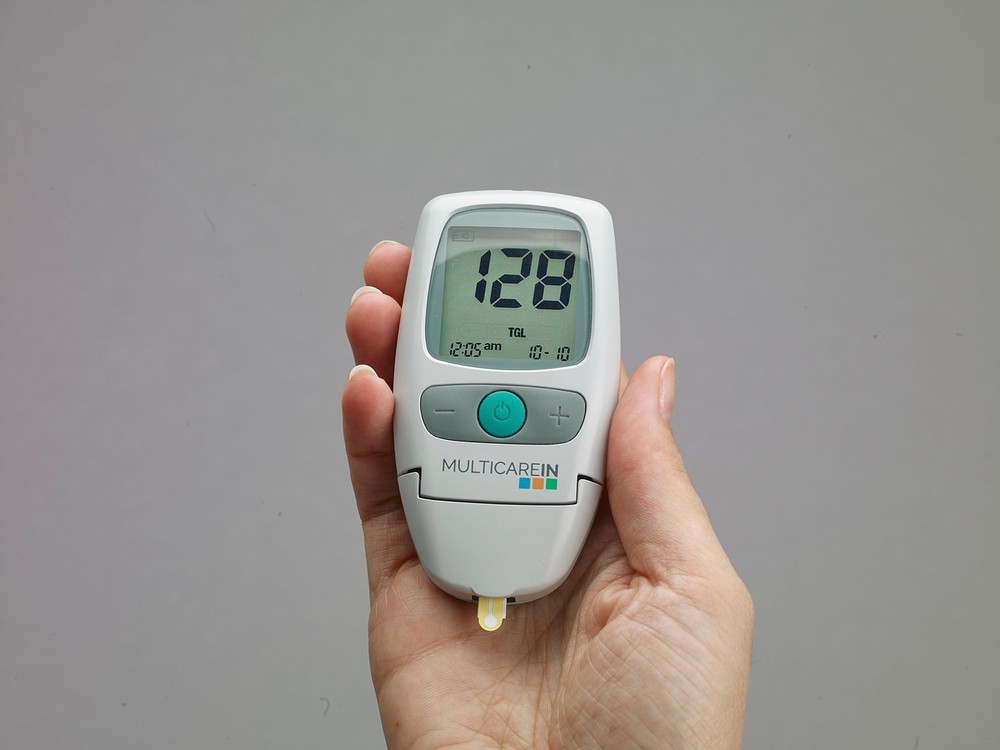
- Test if you can. If you have a glucose meter or a continuous glucose monitor (CGM), check your blood sugar when you feel the urge to snack after dinner. A reading in the 70s or below is a red flag. A reading of 100 or above suggests it's more likely ordinary hunger or habit.
- Pause for 15 minutes. Genuine hunger usually stays present after a short delay. A hypoglycemia-driven urge often intensifies or comes with other subtle symptoms like yawning, slight shakiness, or a brief feeling of warmth.
- Look for pattern repeats. Do you feel the need for a snack at about the same time every night even if you had a large dinner? If yes, suspect a blood sugar pattern rather than genuine hunger.
- Try a small protein- or fat-based snack first. A piece of cheese, a few nuts, or half an avocado is less likely to be treating true hypoglycemia (which needs fast-acting carbs). If a handful of almonds satisfies the craving as well as a cookie does, the problem was probably not your blood sugar.
What to do if you suspect low blood sugar is being masked
The goal here is awareness, not fear. If you suspect that your after-dinner snacks have been covering up hypoglycemia, consider these steps—always in coordination with a healthcare provider if you have diabetes or another metabolic condition:
- Adjust your dinner composition. A dinner with more fiber, healthy fat, and protein—and fewer rapidly digested carbs—can produce a slower, more stable blood glucose curve, reducing the odds of a later drop.
- Check your medication timing. For those on insulin or insulin secretagogues, the timing of doses matters enormously. A slight shift earlier or later can prevent an evening low.
- Eat a dinner that matches your activity. If you walk after dinner, your muscles use glucose, which can lower blood sugar further. Matching carb intake to that activity is important.
- Keep a simple symptom log. For one week, write down how you feel between 7 and 10 p.m., what you ate for dinner, and whether you snacked. Patterns become visible quickly.
A single snack is rarely a medical emergency. But when nightly snacking becomes a regular habit, it's worth investigating whether it's a symptom rather than a choice.
The bottom line: don't ignore the whisper
Low blood sugar warning signs are often subtle—easy to dismiss, easy to medicate with a handful of pretzels. But repeatedly covering those signals with food can make it harder to detect real metabolic imbalances. By learning to recognize the quiet cues of mild hypoglycemia, you give yourself a chance to address the root cause rather than just the momentary discomfort. If you're eating after dinner mostly out of habit, that's fine. But if it's because you feel unexpectedly awful without that snack, your body may be trying to tell you something worth listening to.