Insulin resistance is a common metabolic condition where your cells become less responsive to the hormone insulin, leading to higher blood sugar levels. While diet and lifestyle changes are the cornerstone of management, what you drink matters just as much as what you eat. The right beverages can support your body's ability to use insulin effectively and may even help reverse resistance over time.
Based on current dietary guidelines and nutrition research, here are four drinks that show promise for improving insulin sensitivity. Remember, these are supportive tools—not quick fixes—and should be incorporated into a broader healthy eating pattern.
1. Green Tea
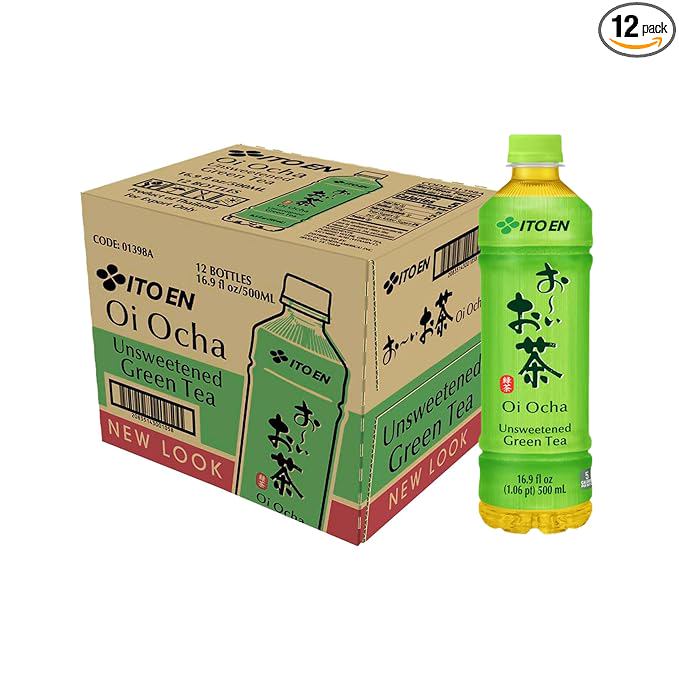
Green tea is rich in catechins, particularly epigallocatechin gallate (EGCG), a powerful antioxidant that has been studied for its effects on glucose metabolism. Research suggests that regular consumption of green tea can improve insulin sensitivity and reduce blood sugar spikes after meals.
A 2021 meta-analysis found that drinking green tea significantly lowered fasting blood glucose and insulin levels in people with type 2 diabetes and those at risk. The catechins in green tea appear to help cells absorb glucose more efficiently and reduce inflammation, which is a key driver of insulin resistance.
Tip: For the most benefit, choose freshly brewed unsweetened green tea over bottled versions, which often contain added sugars.
2. Apple Cider Vinegar (Diluted)
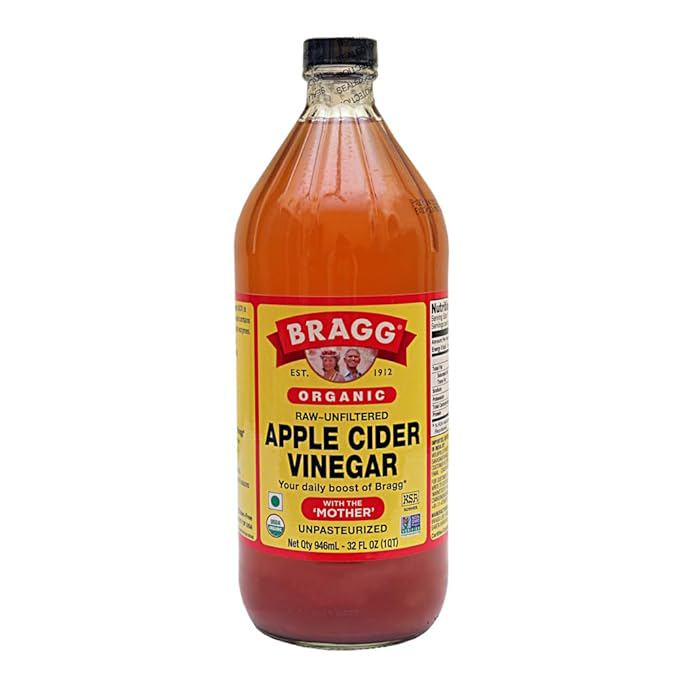
While not technically a standalone drink, apple cider vinegar diluted in water has a notable effect on post-meal blood sugar. Studies show that consuming about one to two tablespoons of apple cider vinegar before a high-carbohydrate meal can improve insulin sensitivity and reduce the glycemic response.
Acetic acid, the active compound in vinegar, appears to slow the digestion of starches and improve the way your muscles take up glucose. A small 2015 study found that participants with insulin resistance who took vinegar before a meal had significantly lower blood sugar and insulin levels afterward.
Important: Always dilute apple cider vinegar in water (never drink it straight) to protect your tooth enamel and esophagus. If you have gastroparesis or kidney issues, consult your doctor first.
3. Cinnamon Tea
Cinnamon is more than just a spice—it has been shown to mimic insulin's effects and increase glucose uptake by cells. Drinking cinnamon tea (made by steeping a cinnamon stick in hot water) provides a warm, caffeine-free option that may help stabilize blood sugar.
A 2019 review of studies concluded that cinnamon supplementation significantly reduced fasting blood glucose and improved insulin sensitivity in people with type 2 diabetes and prediabetes. The active compounds, cinnamaldehyde and proanthocyanidins, can increase the activity of insulin receptors and reduce oxidative stress.
For best results, use true Ceylon cinnamon rather than Cassia cinnamon, as Cassia contains higher levels of coumarin, which can be hard on the liver in large amounts.
4. Unsweetened Soy Milk
Plant-based milks can be a smart swap for dairy or sugary alternatives. Unsweetened soy milk is a standout choice because it contains isoflavones and high-quality protein, both of which have been linked to improved insulin sensitivity.
A large 2020 analysis of observational studies found that higher consumption of soy products was associated with a lower risk of type 2 diabetes. The protein in soy milk can help slow digestion and prevent sharp blood sugar rises, while the isoflavones may directly improve how cells respond to insulin.
Just be sure to choose the unsweetened version—many flavored soy milks contain added sugar that can counteract the benefits. Fortified varieties also provide calcium and vitamin D without the saturated fat found in whole dairy.
How to Incorporate These Drinks
No single beverage will reverse insulin resistance on its own. These drinks work best as part of a consistent pattern that includes plenty of non-starchy vegetables, fiber-rich whole grains, lean protein, and healthy fats. Consider replacing one sugary beverage per day with one of these options and see how you feel over time.
It's also worth noting that while these drinks can support metabolic health, they should not replace prescribed medications or a comprehensive diabetes management plan. Always discuss significant dietary changes with your healthcare provider.