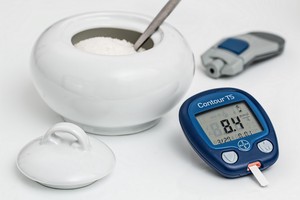

If you've heard the term "insulin resistance" but aren't quite sure what it means, you're not alone. It's one of the most common health topics discussed today—yet also one of the most misunderstood. Put simply, insulin resistance is a condition where your body's cells stop responding properly to the hormone insulin. Over time, this can lead to high blood sugar and set the stage for prediabetes and type 2 diabetes. But understanding what's happening inside your body is the first step toward taking control.
This guide breaks down the basics in plain language: what insulin resistance actually is, how it develops, the warning signs to watch for, and what you can do about it—backed by current health science.
What exactly is insulin resistance?
To understand insulin resistance, you first need to understand insulin. Insulin is a hormone made by your pancreas. Its main job is to help sugar (glucose) move from your bloodstream into your cells, where it's used for energy. Think of insulin as a key that unlocks your cells' doors so glucose can enter.
In insulin resistance, those locks start to get rusty. Your cells become less sensitive to insulin's signal. The pancreas responds by pumping out even more insulin to force the glucose in. As long as your pancreas can keep up with the extra demand, your blood sugar levels stay normal. But over time, this compensation can wear out the insulin-producing beta cells. When that happens, blood sugar begins to rise—first into prediabetes, and eventually into type 2 diabetes.
Key distinction: Insulin resistance itself isn't diabetes. It's a metabolic state that often precedes diabetes, but it's also reversible with the right lifestyle changes.
What causes insulin resistance?
There isn't one single cause. Instead, insulin resistance develops from a combination of factors, many of which are within your control.
- Excess body fat, especially around the belly. Visceral fat—the fat stored deep in your abdomen—releases inflammatory substances that interfere with insulin signaling.
- Physical inactivity. Muscle cells that are regularly used become more sensitive to insulin. A sedentary lifestyle does the opposite.
- Diet high in refined carbohydrates and added sugars. Frequent spikes in blood sugar force the pancreas to release more insulin, which can gradually desensitize cells.
- Chronic stress and poor sleep. Both raise cortisol levels, a hormone that can promote insulin resistance.
- Genetics and family history. Some people are genetically predisposed to developing insulin resistance, especially those with a family history of type 2 diabetes.
- Certain medical conditions. Polycystic ovary syndrome (PCOS), non-alcoholic fatty liver disease, and sleep apnea are all linked to higher rates of insulin resistance.
What are the symptoms?
One of the tricky things about insulin resistance is that it often has no obvious symptoms in the early stages. Many people have it for years without knowing. Still, there are some subtle signs you can watch for:
- Dark, velvety patches of skin called acanthosis nigricans, often on the neck, armpits, or groin
- Feeling tired or drowsy after meals, especially carb-heavy ones
- Difficulty losing weight, or weight gain concentrated around the midsection
- Brain fog or trouble concentrating
- Increased hunger or cravings for sweets and starches
- Higher than normal blood pressure or triglyceride levels on lab tests
If you notice several of these, it's worth discussing with your doctor. A simple blood test—such as fasting glucose, fasting insulin, or a hemoglobin A1C—can help assess where you stand.
How is insulin resistance diagnosed?
There's no single gold-standard test used in everyday practice. Instead, doctors rely on a combination of markers. The most common include:
- Fasting blood glucose. A level of 100–125 mg/dL suggests prediabetes; higher indicates diabetes.
- Hemoglobin A1C. This reflects your average blood sugar over the past 2–3 months. A result of 5.7–6.4% is considered prediabetes.
- Fasting insulin. High levels can indicate that your pancreas is working overtime to compensate.
- HOMA-IR. A calculation using fasting glucose and insulin that estimates insulin resistance. It's more common in research but some clinics use it.
A waist circumference of over 40 inches in men or 35 inches in non-pregnant women is also a clinically useful sign, as abdominal fat correlates strongly with insulin resistance.
Can insulin resistance be reversed?
Yes—and that's the good news. Unlike late-stage type 2 diabetes where some beta cell damage may be permanent, insulin resistance is highly responsive to lifestyle changes. The earlier you catch it, the more reversible it tends to be.
Here are the most evidence-backed strategies:
Move more, sit less
Exercise is one of the most potent tools for improving insulin sensitivity. Both aerobic exercise (walking, jogging, cycling) and resistance training (weight lifting, bodyweight exercises) have been shown to help. Even a single session of moderate exercise can increase glucose uptake into muscles for several hours. Aim for at least 150 minutes of moderate activity per week—but any increase from your current baseline is a win.
Focus on balanced meals
You don't need to follow an extreme diet. The key is to shift the composition of your meals. Prioritize:
- Non-starchy vegetables (leafy greens, broccoli, peppers)
- Lean protein (chicken, fish, tofu, legumes)
- Healthy fats (avocado, olive oil, nuts, seeds)
- Whole grains and fiber-rich carbohydrates (quinoa, oats, beans) instead of refined ones
One practical approach is the "plate method": fill half your plate with vegetables, a quarter with lean protein, and a quarter with whole grains or starchy vegetables. This naturally balances blood sugar response.
Prioritize sleep and stress management
There is a direct physiological link between poor sleep and reduced insulin sensitivity. Even a few nights of partial sleep deprivation can impair how your cells respond to insulin. Aim for 7–9 hours of quality sleep per night. For stress, practices like meditation, deep breathing, or even a daily walk outdoors can lower cortisol levels and support metabolic health.
Lose excess weight, especially around the waist
Weight loss of just 5–7% of your body weight (that's 10–14 pounds for a 200-pound person) has been shown to significantly improve insulin sensitivity and lower the risk of progression to type 2 diabetes. The effect is especially pronounced when the weight comes from abdominal fat.
When should you see a doctor?
If you have any of the risk factors mentioned—especially if you have a family history of diabetes, are overweight, or have PCOS—it's a good idea to ask your doctor about screening. Also, if you've noticed persistent symptoms like fatigue, dark skin patches, or sugar cravings, don't wait.
Insulin resistance is manageable. With early action, many people can restore healthy insulin function and avoid ever developing diabetes. This is not about perfection—it's about making consistent, small changes that add up over time.