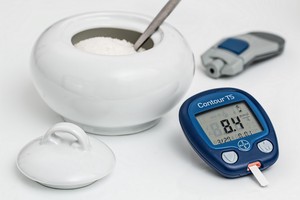
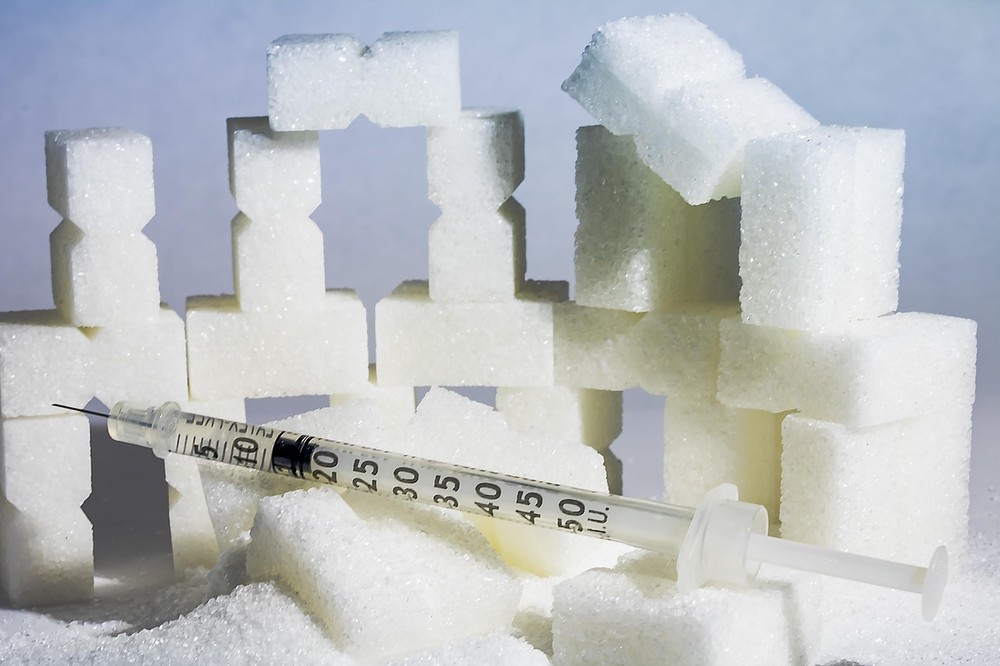
Insulin resistance doesn't happen overnight. It builds quietly, often influenced by daily eating patterns that many people don't think twice about. When your cells stop responding properly to insulin, your pancreas has to work harder to keep blood sugar in check—and over time, this strain can lead to prediabetes and type 2 diabetes.
While genetics and physical activity play a role, the foods you choose (and how you eat them) can either protect your metabolic health or push it in the wrong direction. Here are three diet habits that research consistently links to increased insulin resistance risk.
1. Constant snacking on refined carbohydrates
It's not just about eating carbs—it's about eating the wrong kinds of carbs too frequently. Refined carbohydrates like white bread, sugary cereals, crackers, chips, and most packaged snack foods break down quickly into glucose, causing rapid spikes in blood sugar. Each spike triggers a surge of insulin. Over time, your cells get bombarded with high insulin levels so often that they start to ignore the signal—this is the beginning of insulin resistance.
What makes this habit especially problematic is the constant snacking throughout the day. When your body never gets a break from elevated insulin, it has less opportunity to reset metabolic sensitivity. A mid-morning pastry, a sugary latte, an afternoon granola bar, and evening crackers might seem harmless individually, but the cumulative effect can be significant.
A simple shift: swap ultra-processed snacks for whole-food options like nuts, vegetables with hummus, or a piece of fruit with nut butter. The fiber and protein help slow glucose absorption.
2. Skipping protein and fat at breakfast
Breakfast sets the tone for your blood sugar stability for the rest of the day. When you eat a breakfast that's mostly carbohydrates—cereal with juice, toast with jam, or a bagel—you start your day with a sharp glucose spike and crash. This pattern can make you hungrier later, more likely to crave sweets, and more prone to overeating at lunch and dinner.
Protein and healthy fat at the morning meal slow down digestion and blunt the post-meal glucose response. Research shows that people who eat a higher-protein breakfast have better glycemic control throughout the day compared to those who skip breakfast or eat carb-heavy options.
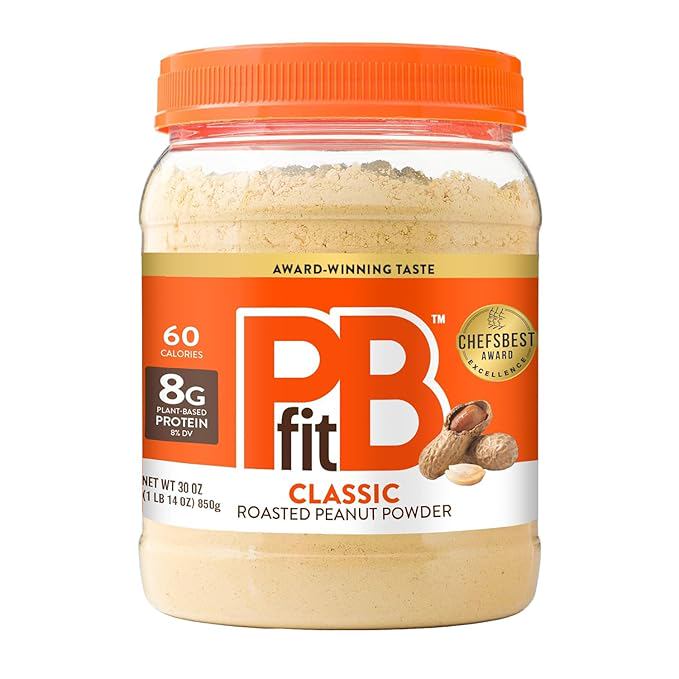
It doesn't have to be complicated. Eggs with vegetables, Greek yogurt with berries and nuts, a smoothie with protein powder and chia seeds—these choices provide the satiety and metabolic steadiness that refined carbs simply can't offer.
3. Habitual consumption of sugar-sweetened beverages
Liquid sugar may be the single most direct dietary contributor to insulin resistance. Soda, sweetened iced tea, fruit punch, energy drinks, and sugary coffee beverages deliver a large dose of sugar (often high-fructose corn syrup) with zero fiber, protein, or fat to slow absorption. Fructose in particular has a unique metabolic pathway: it's processed in the liver, and high intake can promote fat accumulation in the liver (hepatic steatosis), which directly impairs insulin signaling.
Unlike solid foods, sugary drinks don't trigger the same fullness signals. You can easily consume 30 to 50 grams of sugar in a single beverage without feeling like you've eaten anything. Over weeks and months, this extra sugar load forces the pancreas to work overtime and contributes to the metabolic environment where insulin resistance takes hold.
The fix isn't necessarily total elimination—but reducing frequency matters. Sparkling water with lemon, unsweetened tea, or plain water are all excellent swaps. Even cutting back from daily to occasional consumption can measurably improve insulin sensitivity markers.
A note on what you can do right now: Insulin resistance is heavily influenced by diet, and these three habits are modifiable. You don't need a perfect diet—just consistent small changes. Start with one habit: replace one sugary drink with water, add protein to your morning meal, or swap one afternoon snack for a whole food option. Over weeks, these shifts add up to meaningful metabolic protection.