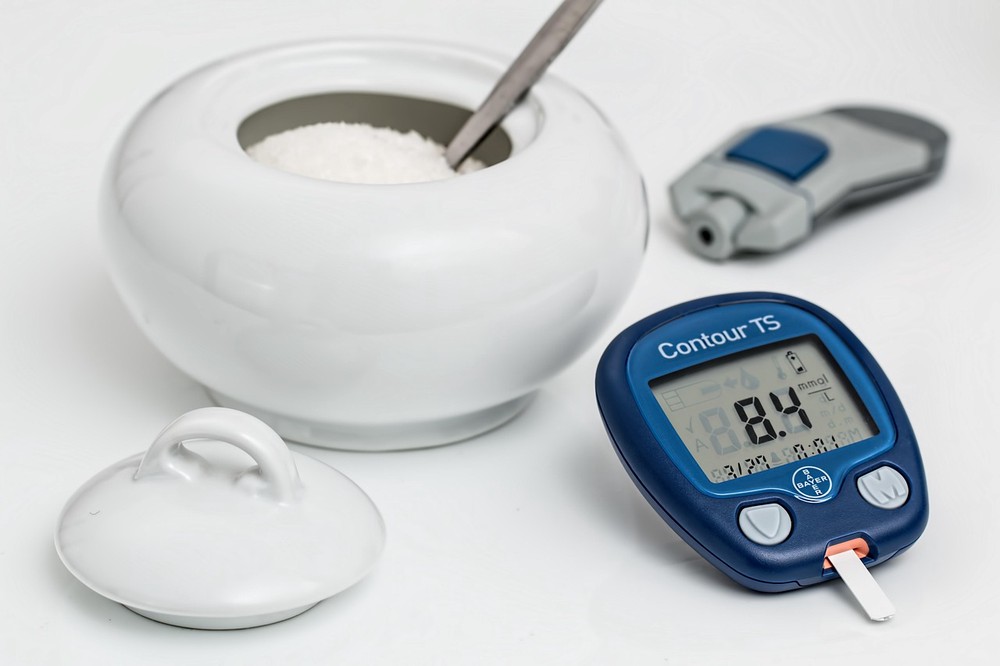
Insulin resistance doesn't happen overnight, and reversing it doesn't require a crash diet or extreme deprivation. When your cells stop responding properly to insulin, your pancreas works overtime to produce more, leading to higher circulating insulin levels and, eventually, blood sugar dysregulation. The right food choices—consistently made over a short period—can begin to shift this pattern. This 7-day meal plan is designed to reduce the dietary stressors that drive resistance and to support your body's natural sensitivity to insulin.
Rather than focusing on restriction, this plan emphasizes what to add to your plate: fiber-rich vegetables, quality protein, healthy fats, and complex carbohydrates that digest slowly. You won't find white bread, sugary drinks, or processed snacks here. What you will find is a template you can follow exactly or adapt to your preferences, with a focus on steady energy and satisfying meals. Remember that individual needs vary; this is a general educational guide, not a prescription. Always work with your healthcare provider before making significant dietary changes.
Why This Meal Plan Works for Insulin Resistance
The core goal is to minimize large spikes in blood glucose, which trigger a surge of insulin. By keeping blood sugar more stable, you give your cells a break from constant high insulin levels, and over time, they can become more sensitive to it. This plan works through three key mechanisms:
- High soluble fiber (from oats, beans, apples, and brussels sprouts) slows digestion and prevents rapid glucose absorption.
- Adequate protein and fat at each meal promotes satiety and reduces cravings for simple carbohydrates.
- Low glycemic load means you avoid refined sugars and starches that overwhelm your system.
Each day is structured to provide roughly 30-45 grams of fiber and less than 40 grams of added sugar, focusing instead on natural sources from whole foods.
Your 7-Day Meal Plan
Day 1: Balance from the Start
- Breakfast: Vegetable omelet (2 eggs, spinach, mushrooms, bell peppers) cooked in olive oil, served with 1/2 avocado.
- Lunch: Large salad with grilled chicken breast, mixed greens, cherry tomatoes, cucumber, red onion, and a vinaigrette of olive oil and lemon juice.
- Dinner: Baked salmon (6 oz) with roasted asparagus and a side of quinoa (1/2 cup cooked).
- Snack: A handful of raw almonds (about 15-20) and a small apple.
Day 2: Hearty and Satisfying
- Breakfast: Overnight oats made with rolled oats, unsweetened almond milk, chia seeds, and a few fresh berries.
- Lunch: Lentil soup (homemade or low-sodium) with a side of mixed greens dressed with olive oil and vinegar.
- Dinner: Stir-fry with tofu or shrimp, broccoli, snap peas, and carrots in a ginger garlic sauce (low sodium soy or coconut aminos) served over cauliflower rice.
- Snack: Celery sticks with two tablespoons of almond butter.
Day 3: Plant-Powered
- Breakfast: Plain Greek yogurt (unsweetened) with a handful of walnuts and sliced strawberries.
- Lunch: Quinoa bowl with black beans, roasted sweet potato, corn, sliced avocado, and a squeeze of lime.
- Dinner: Grilled chicken thighs (skinless) with roasted brussels sprouts and a small baked potato (with skin).
- Snack: A small pear or a cup of edamame (shelled).
Day 4: Simple and Quick
- Breakfast: Smoothie made with unsweetened protein powder (or plain Greek yogurt), spinach, 1/2 cup frozen berries, and unsweetened almond milk.
- Lunch: Tuna salad (canned in water, mixed with mashed avocado instead of mayo) in a lettuce wrap.
- Dinner: Turkey and zucchini meatballs in a low-sugar marinara sauce served over spaghetti squash.
- Snack: A handful of pumpkin seeds and a clementine.
Day 5: Seafood and Greens
- Breakfast: Two scrambled eggs with sauteed kale and a slice of whole-grain toast.
- Lunch: Leftover turkey meatballs or a large Greek salad with chickpeas, olives, cucumber, and feta cheese.
- Dinner: Grilled mackerel or sardines with a side of steamed green beans and a small serving of brown rice (1/2 cup).
- Snack: A small handful of mixed nuts (unsalted).
Day 6: Legume Focus
- Breakfast: Chia pudding made with coconut milk, topped with a few raspberries.
- Lunch: Large bowl of minestrone soup (beans and vegetables) with a sprinkle of Parmesan cheese.
- Dinner: Baked cod with a pistou of basil, garlic, and olive oil, served with roasted eggplant and zucchini.
- Snack: A small bowl of mixed berries.
Day 7: Weekend Meals
- Breakfast: Sweet potato hash with onions, peppers, and two fried eggs cooked in coconut oil.
- Lunch: Leftover baked cod or a hearty salad with chickpeas and a tahini dressing.
- Dinner: Grilled lean steak (4-6 oz) with a large side of sauteed Swiss chard and a roasted beet salad.
- Snack: A small apple with a tablespoon of peanut butter.
A helpful tip: Drink water throughout the day. Sometimes thirst is mistaken for hunger, and staying hydrated supports all metabolic processes, including glucose regulation.
What to Drink (and What to Avoid)
Beverages matter more than most people realize when it comes to insulin resistance. The ideal choices are water, unsweetened herbal tea, and black coffee. Avoid sugary sodas, fruit juices, sweetened lattes, and energy drinks—these are the fastest way to spike blood sugar and insulin. If you crave flavor, add a slice of lemon or cucumber to your water.
Setting Yourself Up for Success
A week is enough time to notice a difference in your energy levels and your mindset about food. You may feel less hungry between meals and experience fewer 'crashes' in the afternoon. That is a sign that your insulin levels are beginning to stabilize. After this 7-day plan, you can rinse and repeat, swap days around, or use it as a template for your own preferences. The goal is not perfection but consistent, balanced choices. Keep a food journal if that helps, and pay attention to how you feel after each meal.
Most importantly, do not expect miracles. This plan is a tool to help lower insulin resistance, not a medical cure. For lasting improvement, pair it with regular physical activity, adequate sleep, and stress management. Those factors influence insulin sensitivity just as much as what is on your plate.