
You’ve just finished a challenging workout. The effort felt good, but a familiar ache is starting to settle into your muscles. While some soreness is a natural part of getting stronger, what you drink—and when you drink it—plays a surprisingly direct role in how intensely you feel that ache and how quickly you bounce back. Hydration isn’t just about quenching thirst; it’s a fundamental process that supports every stage of muscle repair.
Think of your muscles as intricate machinery. When you exercise, especially with strength training, you create microscopic tears in the muscle fibers. This is a normal, necessary stimulus for growth. The subsequent repair process, however, involves inflammation, the flushing away of metabolic waste, and the delivery of fresh nutrients. All of this happens in a water-based environment. When you’re even mildly dehydrated, this system grinds slower, waste products linger, and inflammation can feel more pronounced. The result? Stiffer, sorer muscles that take longer to recover.
How Dehydration Amplifies Muscle Soreness
To understand why your water bottle is a recovery tool, it helps to look at what happens inside a working muscle. During exercise, muscles produce metabolic byproducts like lactic acid. They also rely on a steady flow of electrolytes—sodium, potassium, magnesium—to contract and relax efficiently. Water is the transport medium that carries these electrolytes and helps shuttle waste away.
When fluid levels drop, blood volume can decrease slightly. This makes it harder for your cardiovascular system to deliver oxygen and nutrients to tired muscles and to remove those metabolic leftovers. The buildup can contribute to that heavy, fatigued, and sore feeling. Furthermore, water is essential for lubricating your joints. Dehydration can reduce synovial fluid, making movements feel stiffer and more uncomfortable post-workout, which you might interpret as muscular soreness.
Mild dehydration doesn’t just make you thirsty; it can make your muscles feel stiffer and more tender by slowing the natural repair process.
It’s a cascade effect: less efficient nutrient delivery, slower waste removal, and increased perceptual effort for movement. Staying ahead of thirst is key, because by the time you feel thirsty, you’re already in a state of mild dehydration.
What to Drink for Optimal Recovery
Plain water is the cornerstone of hydration, but around workouts, what you add to it can specifically support muscle function and recovery. The goal is to replenish what you lose through sweat and support the biochemical pathways of repair.
Electrolyte-Enhanced Fluids
For sessions lasting longer than 60-90 minutes, or if you sweat heavily, replacing lost electrolytes is crucial. Sodium is the key electrolyte lost in sweat, and it helps your body retain the fluids you drink. A simple electrolyte drink or a pinch of salt in your water can be more effective than plain water alone for rehydration after intense sweating.
- Look for options that contain sodium, potassium, and magnesium.
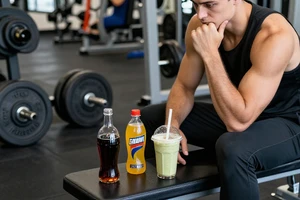
- Avoid drinks with excessive sugar, as the spike and crash in blood sugar can sometimes exacerbate feelings of fatigue.
Tart Cherry Juice
This has gained attention in fitness circles for good reason. Tart cherries contain natural anti-inflammatory compounds and antioxidants called anthocyanins. Some research suggests that drinking tart cherry juice before and after strenuous exercise may help reduce muscle soreness and speed strength recovery. It’s not a magic potion, but it can be a helpful, natural adjunct to a solid hydration and nutrition plan.
Protein Shakes or Milk
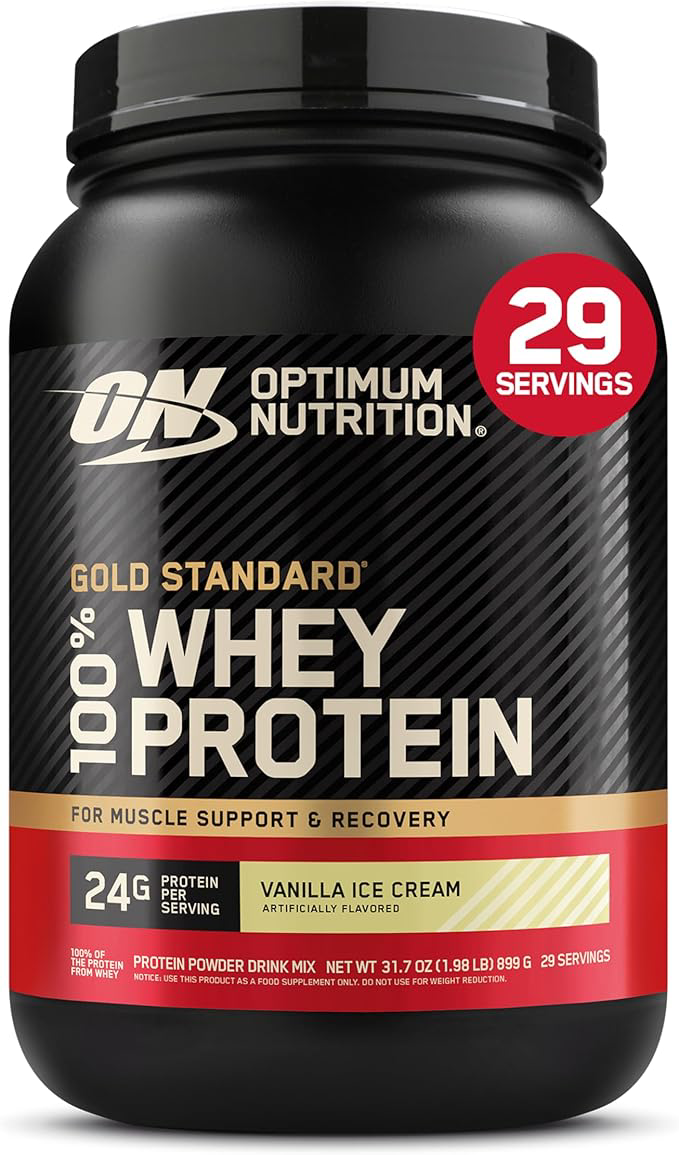
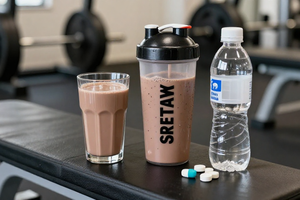
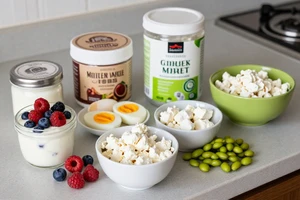
While not strictly “hydration” in the traditional sense, consuming protein after a workout in a liquid form serves a dual purpose. It provides the amino acids necessary for muscle repair and also contributes to your daily fluid intake. A protein shake made with water or milk, or simply a glass of milk, helps rebuild muscle and rehydrate simultaneously.
The “When”: Timing Your Hydration for Less Soreness
Strategic hydration means thinking about your fluid intake in three phases: before, during, and after your workout. This consistent approach keeps your cells plump and your systems running smoothly throughout the entire stress-and-repair cycle.
Before Your Workout
Start your session well-hydrated. Aim to drink about 16-20 ounces of water in the 1-2 hours before you begin. This gives your body time to absorb the fluid and ensures you start with optimal blood volume and muscle hydration. Think of it as filling the tank before a trip.
During Your Workout
Sip, don’t gulp. For most strength training sessions under an hour, regular sips of water are sufficient. For longer or exceptionally intense sessions, switch to an electrolyte drink. A good rule is about 7-10 ounces every 10-20 minutes, but listen to your body and the conditions.
Consistent sipping during your workout is more effective than trying to chug a huge amount afterward.
After Your Workout (The Critical Window)
This is where you directly influence recovery and soreness. Within 30-60 minutes of finishing, prioritize rehydration. Weighing yourself before and after exercise can give you a precise target: drink 20-24 ounces of fluid for every pound lost. Even without the scale, drinking 16-24 ounces of water or an electrolyte beverage post-workout is a solid goal. Pair this with a source of protein and carbohydrates for a comprehensive recovery strategy.
Listening to Your Body’s Signals
Beyond schedules and ounces, the most reliable gauge is often your own body. Dark yellow urine is a clear sign you need more fluids. Lingering muscle soreness that feels excessive, or a headache after training, can also be subtle hints of dehydration. Make hydration a consistent daily habit, not just a workout-day task. Well-hydrated muscles are more resilient, recover more efficiently, and are better prepared for your next session.
Ultimately, managing muscle soreness is a multi-faceted endeavor involving training load, nutrition, sleep, and hydration. By giving your fluids the attention they deserve, you support your body’s innate ability to repair, rebuild, and come back stronger.