Every lift starts with a connection. Whether you are pulling a deadlift, hoisting a kettlebell, or hanging from a pull-up bar, your hands are the first link in the kinetic chain. If that link is cold, tight, or unresponsive, your entire workout suffers. Yet most lifters treat grip like an afterthought—a quick wrist circle or a few finger flexes before grabbing the bar. Strength coaches know better. A proper warm-up for grip strength is not about getting the blood moving; it is about waking up the intricate network of muscles, tendons, and fascial lines that control your hands and forearms.
When you skip a dedicated grip warm-up, you leave strength on the table. More importantly, you increase the risk of common overuse injuries like golfer's elbow, tendinopathy, and pulley strains. Here is how to prep your grip the way seasoned coaches do—with intentionality, not just activity.
Why grip needs its own warm-up
Your hands contain more than 30 muscles, most of which are long flexors and extensors that originate in the forearm. Unlike larger muscle groups that respond well to a few light sets before heavy work, the forearms and hands benefit from specific neuromuscular activation. "The grip is unique because it involves both intrinsic hand muscles and extrinsic forearm muscles connected by a web of fascia," explains one strength coach. "A generic shoulder warm-up does not prepare those tissues for maximal force production."
Think of it this way: when you deadlift 400 pounds, your grip has to sustain hundreds of pounds of tension for several seconds. If the intrinsic muscles of your hand are not firing properly, your forearm flexors compensate, leading to premature fatigue, cramping, or worse—a torn callus or a dropped bar. A targeted warm-up improves blood flow, increases joint synovial fluid in the wrist and fingers, and primes the nervous system to coordinate the complex grip patterns required for pulling, squeezing, and supporting weight.
The five-minute hand routine coaches recommend
The best warm-ups are short, specific, and progressive. They do not fatigue you—they wake you up. The following sequence takes about five minutes and can be done before any upper-body pulling day, Olympic lift session, or dedicated grip-training block. Perform these in order, moving slowly and with control.
1. Wrist mobility and blood flow
Start with simple wrist circles, but do not rush. With your arms extended forward, make a loose fist and rotate your wrists in wide circles for 10 reps each direction. Follow with alternating wrist flexion and extension: press one hand down gently with the opposite hand while keeping your elbow straight, hold for 15 seconds, then flip your palm up and pull your fingers back. This wakes up the radiocarpal joint and signals the forearms to release chronic tension.
2. Finger extensions and opens
A surprising number of lifters have tight, overworked flexors from typing, driving, and everyday gripping. Coaches counter this with active finger extension. Hold your hand out in front of you with fingers together. Slowly spread your fingers as wide as possible, imagining you are pushing air between each digit. Hold the open position for two seconds, then slowly close your fingers into a light fist. Repeat 10 times per hand. This strengthens the underused lumbricals and interossei while improving mind-muscle connection.
3. The “spider walk” for interossei activation
This odd-looking movement wakes up the muscles between your finger bones. Place your palm flat on a wall at shoulder height. Walk your fingers upward one at a time—index, middle, ring, pinky—as if your hand is a spider crawling up the wall. Reverse the motion back down. Do three full ascents and descents per hand. It looks subtle, but you will feel small muscles in your palm and knuckles activate. This is a favorite warm-up among climbing coaches and strongman athletes.
4. Towel or band finger flexion
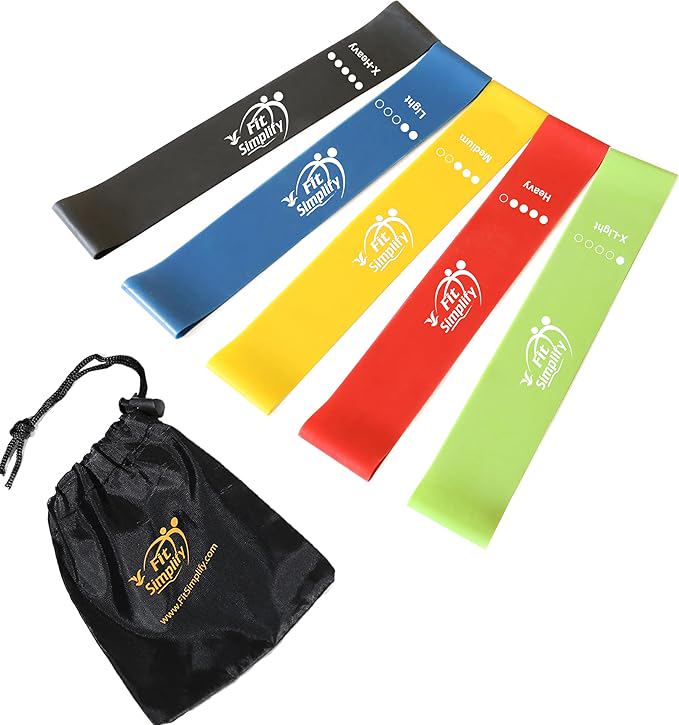
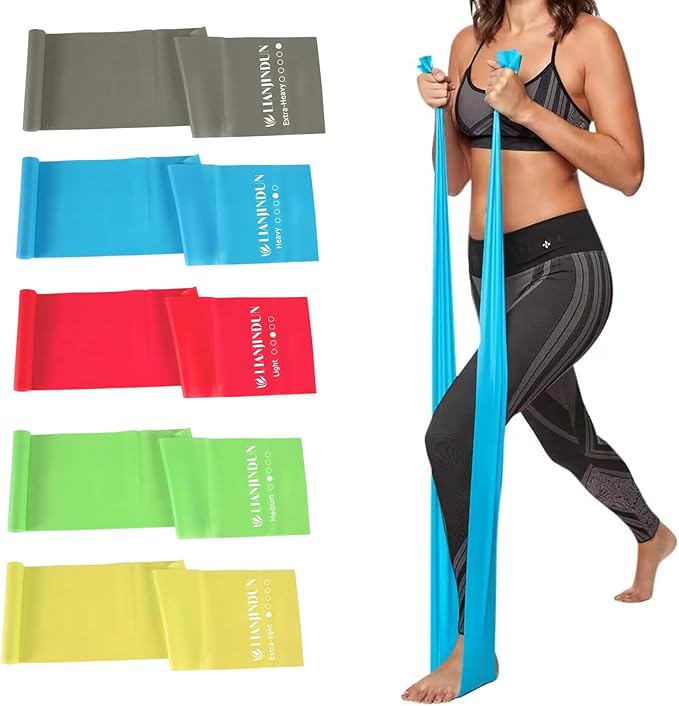
Take a small hand towel or a light resistance band. Hold one end in your hand and wrap the other end around your fingers. Slowly close your fingers into a fist against the resistance, then open them just as slowly. Do 8 to 10 controlled reps per hand. The eccentric (opening) phase is especially important because it strengthens the extensors that counterbalance the flexors. If you do not have a band or towel, simply mimic the motion by pressing your fingertips into your opposite palm and resisting as you open your hand.
5. Light isometric holds
Finally, grab the implement you will be using—a barbell, dumbbell, or pull-up bar—with an open hand (no full grip). Squeeze the bar gently for 3 seconds, release for 2 seconds, repeat 5 times. This pre-activates the flexor digitorum profundus and superficialis without tiring them. It also rehearses the exact carry-over to your first working set. Do not hang, do not crush the bar; just a soft, mindful squeeze.
When to warm up the grip separately
Not every training day demands a standalone grip warm-up. A coach may integrate hand prep into the main warm-up on upper-body pulling days, but on squat or leg press days your grip is not heavily taxed, so a quick minute of wrist circles may be enough. Here is a simple rule: if your main lifts depend on grip endurance or maximal hand strength—deadlifts, rows, pull-ups, farmer's carries, kettlebell swings, or any loaded carries—invest the full five minutes. If you are doing isolation machine work or legs, a brief hand stretch is sufficient.
Common mistakes to avoid
A bad warm-up can be worse than none at all. Do not overstretch cold fingers—aggressive bending can strain the pulleys in your finger joints. Do not rush through the sequence; grip activation is sensory, not merely mechanical. And do not skip the extension phase. "Most lifters obsess over crushing strength but neglect the opening capacity of the hand," notes another coach. "Balanced warm-ups prevent overuse injuries and improve control under heavy loads."
One more mistake: going too heavy during warm-up sets themselves. When you progressively load the deadlift, the first few lighter sets do warm the hands somewhat, but they still leave the intrinsic muscles under-activated. Coaches advise adding the five-minute routine before your very first warm-up set, not in place of your light sets.
Coach's tip: If you have a history of elbow tendinopathy, spend extra time on the finger extension and eccentric opening motions. They reduce the flexor-dominant strain that often triggers medial epicondylitis.
Incorporating grip work into the full session
Once your hands are warm, carry that awareness into your workout. Many lifters unconsciously change their grip during a heavy set, shifting the bar deeper into the palm or loosening the fingers. A warm-up that improves proprioception helps you maintain consistent technique. During the workout itself, re-squeeze the bar between reps to keep the forearms engaged. After the last set, a quick cool-down stretch—extend your fingers back gently for 15 seconds—can reduce post-session soreness.
For athletes who do dedicated grip training (captain of crush grippers, pinch blocks, wrist rollers), the warm-up above serves as a pre-activation before they move into heavier work. Some coaches recommend adding a light contrast water soak or contrast shower immediately before grip-specialized sessions to enhance blood flow, though this is optional.
Does it really make a difference?
The subtlety of grip warm-up makes it easy to skip. But strength coaches see the results consistently: fewer dropped reps, less forearm fatigue, and fewer complaints of elbow or wrist pain. One study on climbers found that a specific finger- and wrist-warm-up protocol improved maximum hang time by nearly 20 percent compared to a general warm-up. The principle translates to weightlifting: better grip endurance means more productive sets and less compensation from secondary movers. A small investment of five minutes pays back in heavier lifts and healthier joints.
The best warm-up for grip strength is not complicated. It does not require expensive tools or elaborate routines. It requires intention: five minutes of deliberate mobility, activation, and isometric rehearsal. Your hands are your connection to the weight; treat them like it.