You deadlift more than your bodyweight, your rows are solid, and your back feels strong. But halfway through your last set, the barbell starts to slip. Your forearms are screaming, and your fingers simply let go before your target muscles have truly fatigued. This familiar frustration is why grip strength matters—and why almost every beginner asks the same question: how often should I train it?
The short answer is encouraging. Grip tissue responds well to frequent, low-dose stress, which means you can train it more often than almost any other muscle group without risking overtraining. The challenge is knowing exactly how to balance that frequency with your existing lifting routine. Let's walk through the evidence and practical guidelines so you can build a grip that matches your strength.
Why Beginners Need a Dedicated Grip Protocol
Your grip is not one single movement. It is a coordinated effort between your finger flexors, thumb muscles, and the small stabilizers of your hand and wrist. When you pull a heavy deadlift, your grip is working isometrically—holding tension without moving. When you carry a farmer's walk, your grip must resist dynamic fatigue. When you crush a gripper, you are using concentric force.
Most beginners rely on their grip during compound pulls and hope it gets stronger by accident. For some people, it does. But for many, the forearms lag behind the larger prime movers. The result is a frustrating ceiling on pulling exercises and a higher risk of dropping a loaded barbell. A dedicated grip program prevents that bottleneck and accelerates overall progress.
The Optimal Frequency for Beginners: 2–3 Sessions Per Week
Based on how forearm muscles recover and adapt, the consensus among strength coaches is that beginners should train grip strength two to three times per week. This frequency works because:
- Forearm muscles are Type I dominant — they have a high proportion of slow-twitch fibers and recover quickly from moderate strain.
- Grip work is low-systemic — it does not tax your central nervous system the way a heavy squat or deadlift does, so you can add it without accumulating excessive fatigue.
- Frequent exposure builds neurological efficiency — your brain learns to recruit the hand muscles more effectively when you practice the motor pattern several times a week.
A beginner who trains grip twice a week on non-consecutive days (e.g., Tuesday and Friday) will see measurable improvements in six to eight weeks. Three times per week can accelerate that timeline, but it requires careful volume management to avoid tendonitis.
How to Structure Your Grip Sessions
The way you schedule grip work matters as much as how often you do it. The two main approaches are woven into your existing routine or performed as dedicated finishers.
Method 1: Integrated Finishers (Recommended for Most Beginners)
Add one or two grip exercises at the end of your main strength workout. This keeps your session efficient and ensures your hands are already warm from pulling work. For a twice-per-week schedule, do this after your upper-body pulling day and after your lower-body day.
Sample integrated finisher (perform after your main lifts):
Farmer's carry: 3 sets of 30–45 seconds per hand
Plate pinch hold: 3 sets of 15–20 seconds per hand
Method 2: Separate Grip Day (For Thrive-on-Detail Beginners)
If you find integrated finishers too distracting, or if you want to focus completely on grip without pre-fatigue from your main workout, set aside one 15-minute session on an off day. This works especially well if you are doing grip work three times per week.
Sample separate session (on a recovery day):
Crush gripper: 3 sets of 8–10 reps per hand
Wrist roller: 2 sets up and down
Rice bucket: 1 set of 60 seconds
Whichever method you choose, keep total session volume low—no more than 6 to 8 working sets of grip-specific work. Beginners almost always do too much too fast, which leads to soreness that interferes with pulling performance later in the week.
Signs You Are Doing Too Much (or Too Little)
Because grip tissues recover quickly, the risk of doing too little is far greater than the risk of doing too much. But overdoing it is still possible, especially if you add high-intensity crushing work every day.
You are training grip at the right frequency if:
- Your deadlift and row numbers are no longer limited by your hands letting go.
- Your forearms feel pleasantly fatigued after a session, not painfully sore for three days.
- You can comfortably hold the bar during your warm-up sets without shaking.
You might be overtraining grip if:
- You feel sharp pain in the wrist or at the base of the thumb.
- Your grip feels weaker on your second session of the week than it did on the first.
- You have persistent tenderness along the forearm tendons even on rest days.
A quick rule of thumb: your grip strength should feel fully recovered within 24 to 36 hours after a session. If it takes longer, reduce the volume or frequency.
3 Beginner-Friendly Grip Exercises to Start With
You do not need a drawer full of specialized equipment. These three moves cover the main grip demands and are easy to adjust for any fitness level.
- Dead hang from a pull-up bar — The purest isometric hold. Aim for three sets of your maximum hang time. When you can hold for 60 seconds, add a light weight on a dip belt.
- Farmer's carry — Pick up a heavy dumbbell or kettlebell in each hand and walk for distance or time. This builds endurance and real-world carrying strength.
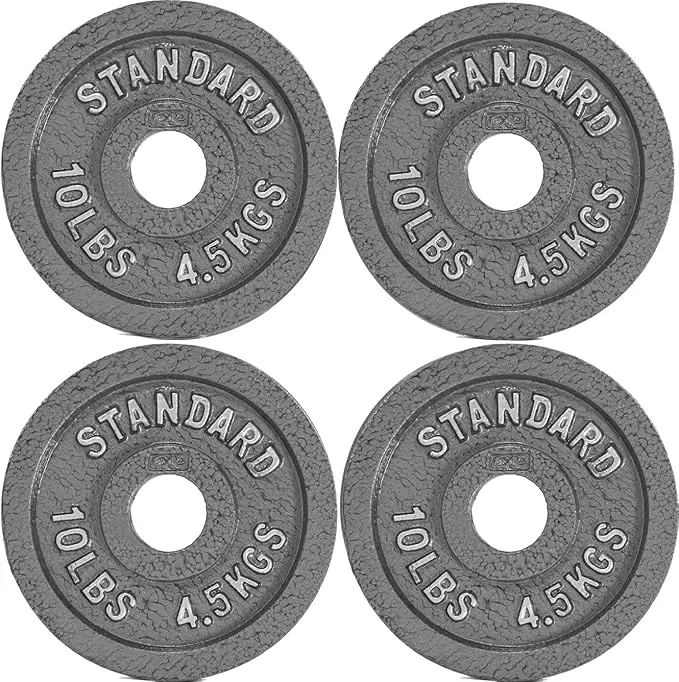
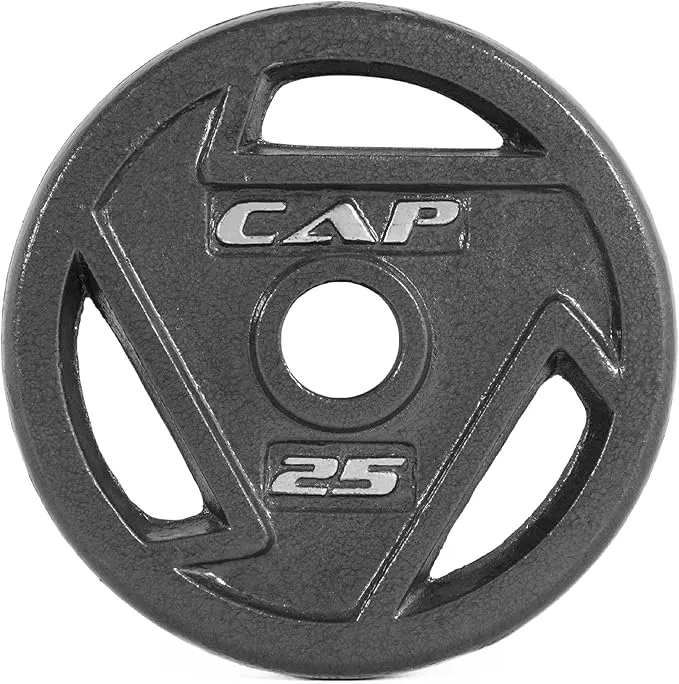
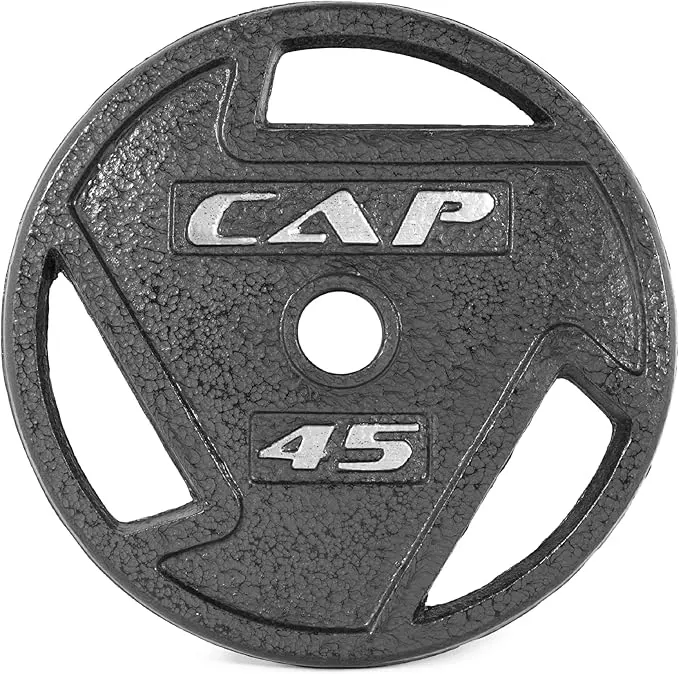
- Plate pinch hold — Pinch two smooth weight plates together with your fingertips. It targets the thumb and the intrinsic hand muscles that standard gripping misses.
Rotate these exercises across your weekly sessions. For example, use dead hangs and farmer's carries in session one, then plate pinches and a crush gripper in session two. Variety prevents boredom and works different aspects of grip.
Common Beginner Mistakes to Avoid
Even with the right frequency, beginners tend to repeat a few patterns that slow progress. Watch out for these:
- Training grip right before a heavy pulling movement. Never do grip-specific work at the beginning of a session that includes deadlifts or rows. Your hands need to be fresh for the main lift.
- Using straps too early. Straps are a useful tool for maximum pulling force, but if you rely on them for every set, your grip never adapts to heavier loads. Reserve straps for your heaviest working sets only.
- Neglecting the thumb. Many beginners focus only on crushing force (closing the hand) and ignore pinch strength. The thumb is responsible for about 40% of overall grip strength; train it directly with pinches or wide holds.
When to Increase Frequency or Intensity
After six to eight weeks of consistent twice-weekly grip training, your body will have adapted. You may notice that your dead hangs last well past a minute, or that farmer's carries feel manageable rather than exhausting. That is a signal to progress.
You can either increase the frequency to three times per week, or keep the same frequency and increase the intensity (heavier weights, longer holds, or harder grippers). Beginners generally benefit from staying at twice per week and gradually adding load for at least three months before changing frequency.
Building a grip that supports your goals is a simple habit—two or three focused sessions per week, low volume, and consistent progression. Your hands are already working every day in the gym. All you need is a small, deliberate nudge to turn that background work into real, measurable strength.