You know the signs: the dull ache, the tender spot under the skin, the sudden appearance of a deep, red bump that won't come to a head. For many women, cystic acne arrives like clockwork in the days leading up to their period. While surface-level pimples can be frustrating, these deeper, more painful lesions feel like a different beast entirely. Understanding why they happen is the first step toward managing them with less frustration and more self-compassion.
The short answer is that a natural, rhythmic shift in your hormones during the second half of your menstrual cycle creates a perfect storm for inflammation and breakouts. It's not a sign that your skin is 'bad' or that you're doing something wrong. It's your biology following a predictable pattern.
The hormonal players: estrogen, progesterone, and testosterone
Your menstrual cycle is a carefully orchestrated dance of hormones. During the first half (the follicular phase), estrogen levels rise, which generally supports clearer skin by keeping oil production in check. But everything shifts after ovulation.
- Progesterone rises. After you ovulate, progesterone surges to prepare the uterine lining for a potential pregnancy. This hormone increases sebum (oil) production and can also make your skin swell slightly, trapping oil and dead cells more easily.
- Estrogen drops. As you approach your period, estrogen levels fall sharply. Estrogen has a slight anti-inflammatory effect, so its decline removes a natural buffer against breakouts.
- Testosterone stays stable (relatively). While testosterone levels don't surge, the drop in estrogen means that androgen (male hormone) influence becomes more dominant. Androgens directly stimulate the sebaceous glands to produce more oil.
Think of it this way: right before your period, your skin is producing more oil (thanks to progesterone and relative androgen dominance) and is more prone to inflammation (thanks to falling estrogen). That's why the acne that shows up is often cystic—deep, inflamed, and stubborn.
Why cystic, not just a whitehead?
Regular pimples form when a pore gets clogged. Cystic acne is different. It begins deep within the dermis, where the wall of a hair follicle ruptures. When that happens, the body's immune system sends inflammatory cells to the area, creating a red, swollen, painful lesion that feels like a hard knot under the skin. Because it's deep, there's no 'head' to pop—and you should never try to pop a cyst, as it can lead to scarring and more inflammation.
The hormonal shift right before your period makes your pores more likely to become blocked deep underground, and the increased inflammatory response turns a simple clog into a full-blown cyst.
The timeline: when to expect it
Most hormone-related cystic acne appears during the luteal phase, which is the time between ovulation and your period. This phase typically lasts about 14 days. Many women notice new cysts forming about 7 to 10 days before their period starts, with the most active breakouts happening in the final few days leading up to menstruation. For some, the lesions begin to calm down once bleeding starts, as estrogen begins to rise again.
If you track your cycle, you can predict when you'll be most vulnerable. Knowing this gives you a window to adjust your skincare routine proactively, rather than playing catch-up after a cyst appears.
What you can do about it (within safe, general wellness boundaries)
While you can't stop your hormones from cycling, you can support your skin through the transition. These strategies are general skin-health practices, not medical prescriptions.
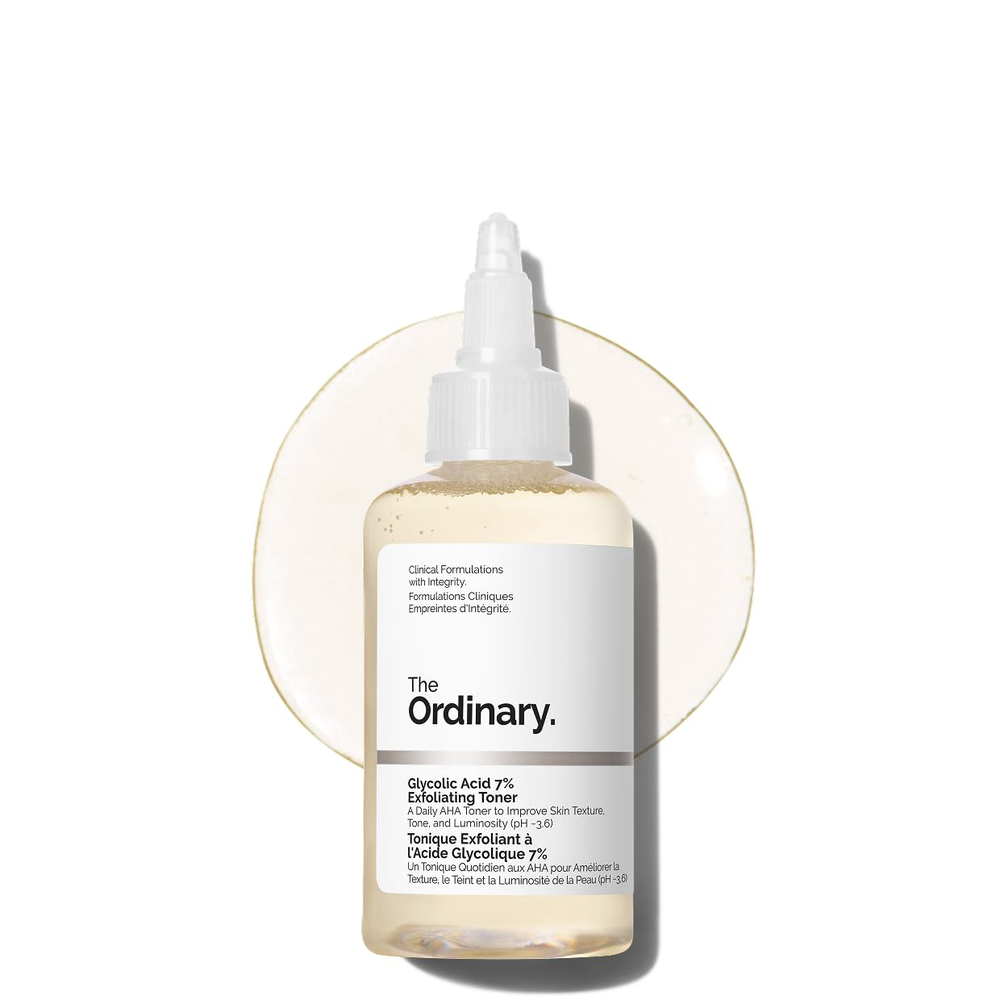
- Adjust your routine preemptively. Starting a gentle, non-drying benzoyl peroxide wash or a salicylic acid toner a few days before you expect breakouts can help keep pores clear before the hormonal surge hits.
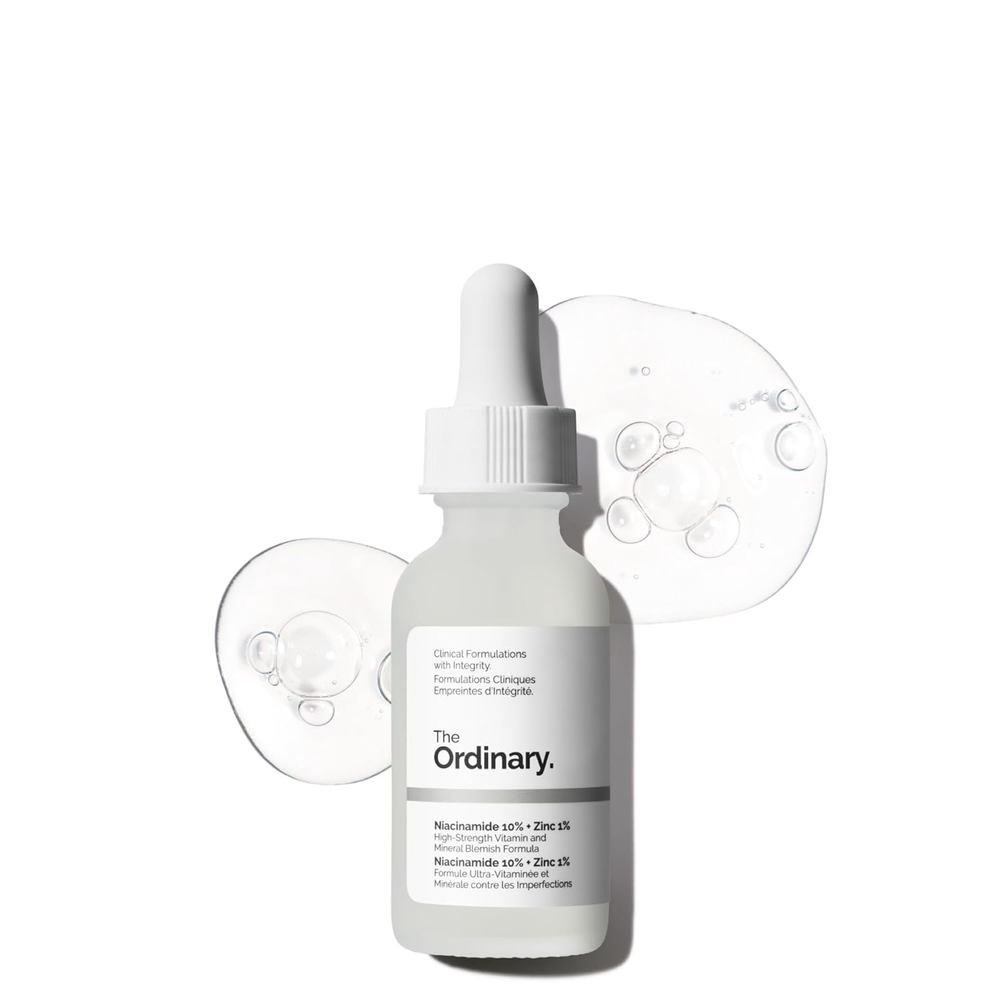
- Focus on calming inflammation. Use a lightweight, fragrance-free moisturizer with ingredients like niacinamide or green tea extract. A cool compress on a painful cyst can reduce swelling and discomfort.
- Watch your diet around this time. Some women find that reducing high-glycemic foods (sugary snacks, white bread) and dairy during the luteal phase helps, as these can contribute to inflammation.
- Never pick or pop. Cystic acne does not respond to squeezing. It will only make the inflammation worse and risk permanent scarring. Let it heal or consult a dermatologist for professional treatment like cortisone injections.
When to see a professional
If your cyclical cystic acne is severe, painful, or leaving scars, it's worth a conversation with a dermatologist or healthcare provider. They can explore treatments tailored to you, such as prescription topical retinoids, spironolactone (which reduces androgen activity), or oral contraceptives that smooth out the hormonal fluctuations that trigger breakouts.
Understanding the 'why' behind period-related cystic acne can take the shame out of the mirror. Your skin is not betraying you; it's responding to a biological process that has been happening for millennia. With knowledge and a gentle, proactive approach, you can navigate these hormonal shifts with a little more ease.