You wash your face twice a day. You change your pillowcase. You’ve even tried that spot treatment your friend swears by. Yet the cystic bumps along your jawline keep coming back—and the dark marks they leave behind seem to take forever to fade.
If this sounds familiar, your skincare routine might not be the problem. One everyday beverage could be quietly making both the breakout and the healing process harder.
Which drink is the worst offender for hormonal acne?
Cow’s milk. More specifically, skim and low-fat varieties appear most likely to trigger breakouts in people prone to hormonal acne. A growing body of research connects dairy consumption—particularly milk—to acne severity, and the mechanism likely involves how milk affects your hormones.
Milk contains naturally occurring hormones, including insulin-like growth factor 1 (IGF-1), and it stimulates your body to produce more of its own IGF-1. Higher IGF-1 levels can increase sebum (oil) production and cause skin cells to multiply too quickly inside the pore—setting the stage for clogged pores and inflamed acne lesions. For someone whose skin is already sensitive to hormonal fluctuations, milk acts like a fuel pump on a small fire.
One 2016 study in the Journal of the American Academy of Dermatology found that women who drank two or more glasses of skim milk per day were 44% more likely to have acne compared to those who drank none. Whole milk showed a weaker association, and cheese and yogurt didn’t seem to trigger breakouts the same way.
Why milk also delays scar healing
The same IGF-1 pathway that drives new breakouts can interfere with how your skin repairs itself after a blemish has healed. Scar resolution depends on a careful balance of collagen production, inflammation control, and tissue remodeling. Excess IGF-1 signaling appears to shift that balance, potentially prolonging redness and making post-inflammatory hyperpigmentation (those stubborn brown or pink marks) last longer.
Milk also promotes higher insulin secretion in some people, which can compound inflammation. Chronic low-grade inflammation keeps the skin in a state of heightened immune activity—helpful for fighting infection in the moment, but counterproductive when you need swelling to settle down and collagen to reorganize itself neatly.
What this means for your skin: Each glass of skim milk could be contributing to both the next breakout and the lingering mark from the last one.
Is all dairy equally problematic?
No. The evidence points squarely at liquid milk—especially skim—as the primary concern for acne-prone skin. Here’s how the common dairy forms compare:
- Skim and low-fat milk: Most strongly linked to acne. Removing the fat may increase the relative concentration of whey proteins and hormones, and the added whey protein concentrate common in skim milk can spike IGF-1 levels even more.
- Whole milk: Moderately associated. The fat content may slow absorption and blunt the hormonal response slightly, but it still contains the same growth factors.
- Cheese and yogurt: Generally not associated with acne worsening. The fermentation process in cheese and yogurt may break down some of the hormones and proteins that trigger breakouts.
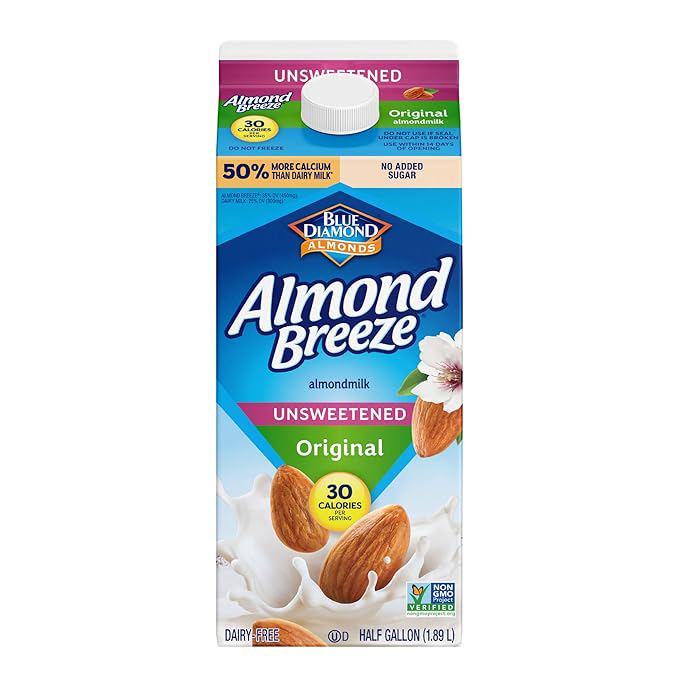
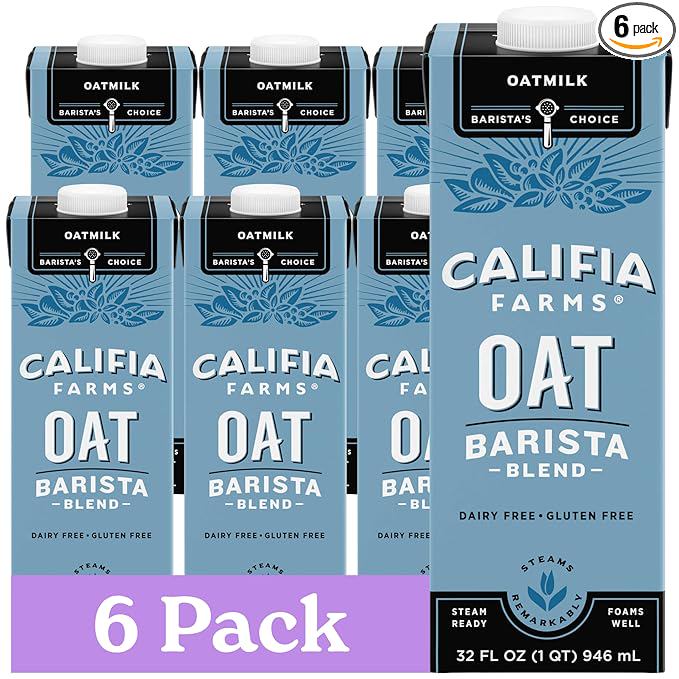
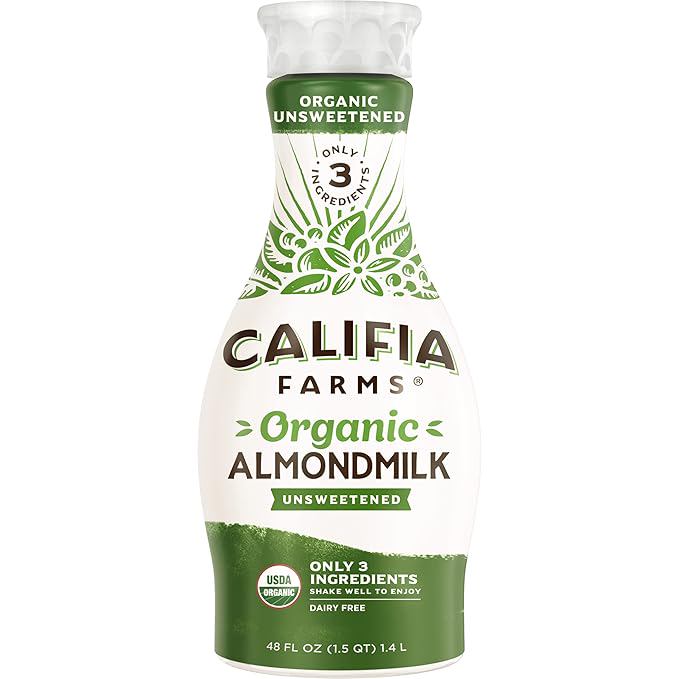
If you’re dairy sensitive but don’t want to give up everything, swapping milk for a plant-based alternative (unsweetened oat, almond, or soy) while keeping yogurt or small amounts of aged cheese in your diet is a reasonable middle ground.
How to test whether milk is affecting your skin
Elimination trials are the most reliable way to tell if milk is causing your breakouts or slowing scar healing. Try this step-by-step approach:
- Cut out milk completely for three weeks. This includes milk in coffee, lattes, cereal, smoothies, and cooking. Plant milks are fine substitutes.
- Keep everything else constant. Don’t change your cleanser, moisturizer, or other dietary habits during the trial or you won’t know what’s working.
- Take photos in consistent lighting each week. Track new breakouts and how quickly old marks are fading. The first change you might notice is fewer new pimples appearing around your cycle; scar fading takes longer.
- Reintroduce milk for one week. Drink one glass per day and watch for new bumps within 2–5 days. If they come back, milk is a clear trigger for you.
If your skin stays clear during the elimination phase and clears up even further during a longer trial (six to eight weeks), you likely have a genuine milk sensitivity. Anecdotally, many people notice their existing breakouts calm down faster and red marks turn brown and fade more quickly once milk is out of the picture.
What about cheese, yogurt, and butter?
As noted, cheese and yogurt rarely cause problems. Butter contains almost no milk protein (casein or whey), so it’s even less likely to trigger acne. If you love dairy, keep the fermented and high-fat forms and drop only the liquid milk—the most concentrated source of growth-promoting peptides.
Quick caveat: If you are vegan or lactose-intolerant, this issue doesn’t apply. For everyone else, milk is worth looking at closely if hormonal acne is your main skin complaint.
Bottom line
Milk—especially skim—is the drink most likely to worsen hormonal acne and slow the healing of acne scars. The hormones and growth factors in cow’s milk stimulate oil production, encourage clogged pores, and may keep post-inflammatory marks redder for longer. A three-week elimination test can tell you whether your skin responds. If it does, switching to plant-based milk often leads to clearer skin and faster fading of old spots within a couple of months.
Healing your skin might start not with a new cream, but with what you pour into your coffee tomorrow morning.