
Few things are more frustrating than waking up to a new spot when the last one has barely faded. We’ve all been there—staring in the mirror, wondering if that glass of milk or late-night chocolate bar is the culprit. While genetics and hormones play a huge role, mounting research confirms that what lands on your plate every day can either calm your skin or feed the fire.
The goal here isn’t a strict “anti-acne diet.” Instead, it’s about understanding which foods help lower inflammation, balance oil production, and support your skin’s repair process so that breakouts are less frequent and the redness they leave behind fades faster. Let’s walk through the tangible changes you can make, starting with breakfast.
Why Low-Glycemic Eating Matters for Your Pores
The link between high-sugar foods and breakouts is one of the strongest findings in nutritional dermatology. When you eat a bagel, a soda, or even a bowl of sugary cereal, your blood sugar spikes quickly. Your body responds by releasing insulin and insulin-like growth factor 1 (IGF-1). These hormones tell your oil glands to rev up production and your skin cells to multiply faster—a recipe for clogged pores.
Switching to a lower-glycemic way of eating doesn’t mean starving yourself. It means choosing foods that release sugar more slowly into your bloodstream. Start with these swaps:
- Swap refined bread for whole grains. Think steel-cut oats, quinoa, or 100% whole-wheat sourdough instead of white bread or instant oatmeal packets.
- Pair fruit with fat or protein. A handful of berries on their own is fine, but pairing an apple with almond butter or a hard-boiled egg blunts the sugar spike.
- Watch out for hidden sugars. Flavored yogurts, granola bars, and bottled smoothies can contain as much sugar as a candy bar. Check labels or make your own.
A 2021 systematic review in the Journal of the Academy of Nutrition and Dietetics found that low-glycemic diets significantly reduced inflammatory acne lesions in participants over 10 to 12 weeks. This is not a quick fix, but a steady change.
Zinc-Rich Foods That Target Redness and Pustules
Zinc is a mineral with a dual reputation in skin health. It helps regulate oil production, but it’s also a powerful anti-inflammatory agent that can reduce the angry redness around a pimple. Many topical acne treatments contain zinc, but getting it from food gives your body a steady supply.
The trick is knowing which sources are most absorbable. Zinc from animal foods (heme zinc) is easier for your body to use than zinc from plants. That said, both matter:
- Best animal sources: Oysters are the superstar (just 3 cooked oysters give you nearly 50% of your daily zinc), but lean beef, crab, and turkey are excellent, too.
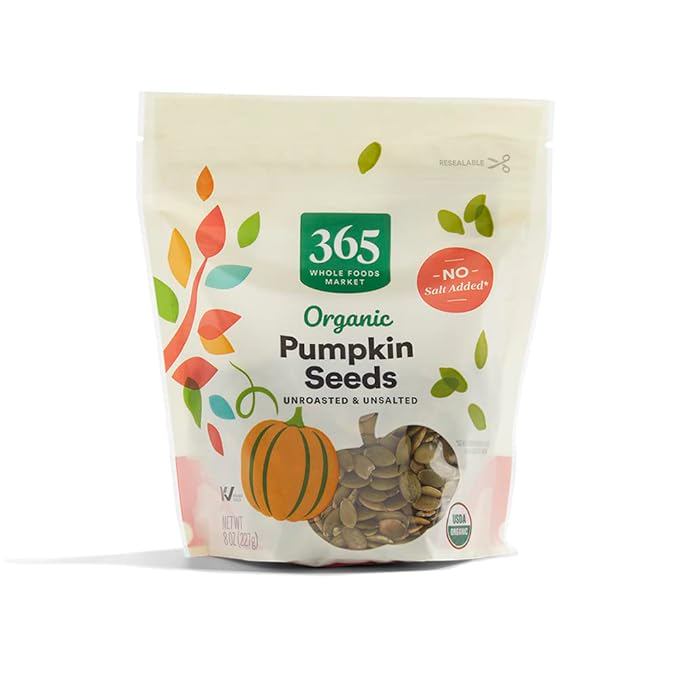
- Best plant sources: Pumpkin seeds, chickpeas, cashews, and hemp seeds. Soaking or sprouting legumes and seeds can improve zinc absorption.
If you are vegetarian or vegan, focus on eating a zinc-rich plant food at every meal. A handful of roasted pumpkin seeds on a salad or some hummus with vegetables can make a noticeable difference.
Omega-3 Fats: The Redness Calmers
Post-acne erythema—those red or purple marks left after a pimple heals—is essentially a form of lingering inflammation. Omega-3 fatty acids, especially EPA and DHA, work by reducing the production of inflammatory molecules in your body. They also help keep your skin barrier strong, which means less water loss and better healing.
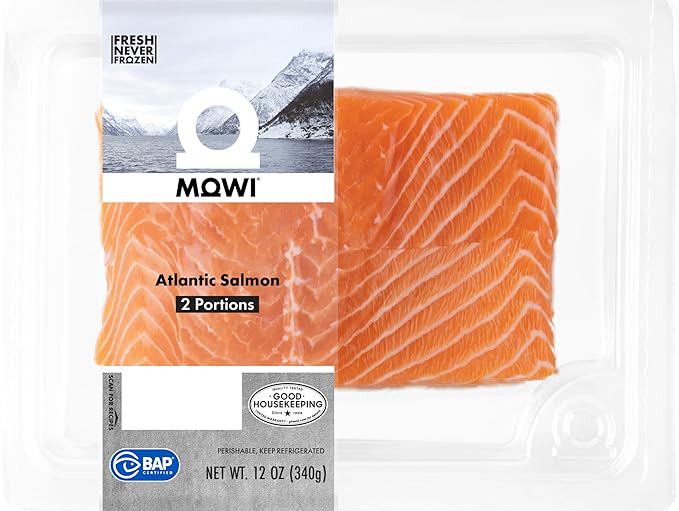
Fatty fish is the gold standard. Try incorporating two servings per week of salmon, mackerel, sardines, or anchovies. But if you’re not a fish person, you can still get meaningful amounts from plant sources:
- Flaxseeds and chia seeds contain ALA, which your body partially converts to EPA. Grind flaxseeds fresh for better absorption.
- Walnuts are an easy snack that delivers both omega-3s and skin-friendly vitamin E.
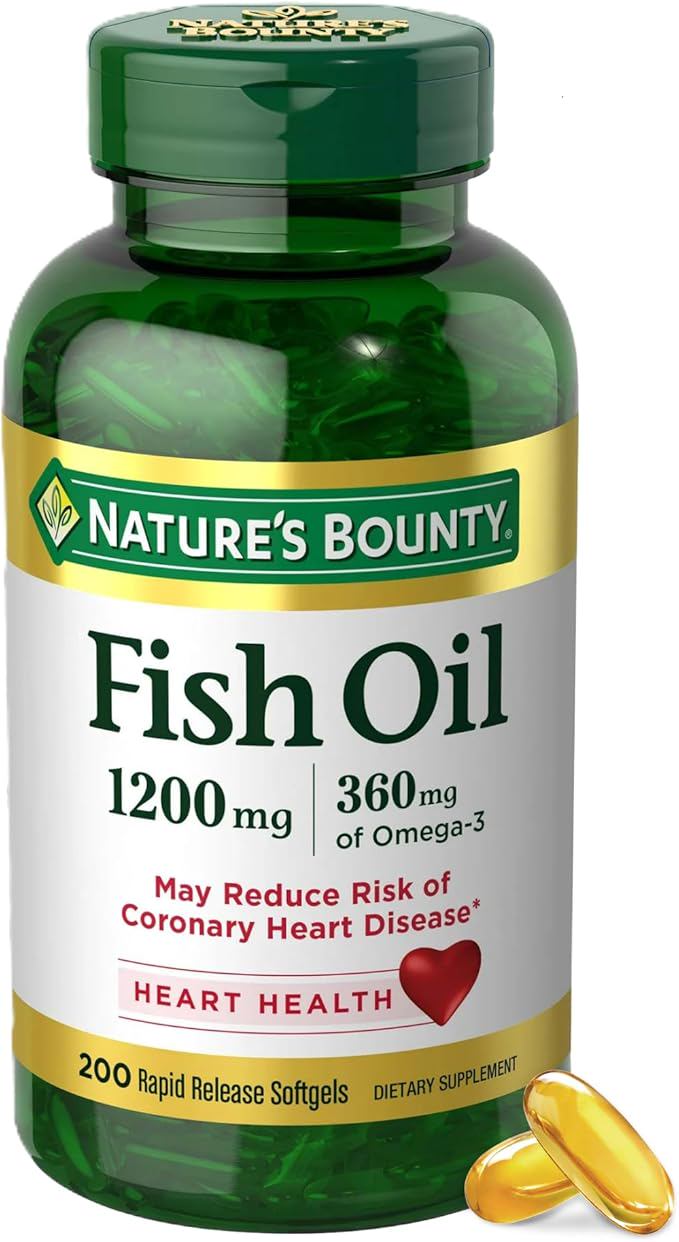
- Algae oil supplements are a direct source of DHA for those who eat a vegan diet.
Probiotics and Fermented Foods: The Gut-Skin Axis
Your gut microbiome and your skin’s microbiome communicate constantly. When gut bacteria are out of balance—often due to a high-sugar, low-fiber diet or antibiotic use—it can trigger systemic inflammation that shows up on your face. Some research suggests that certain strains of Lactobacillus and Bifidobacterium can reduce inflammatory acne lesions.
Rather than jumping straight to a supplement, try adding one serving of fermented food to your daily routine:
- Yogurt or kefir (choose plain, unsweetened varieties to avoid added sugar).
- Kimchi or sauerkraut (look for refrigerated brands with live cultures).
- Kombucha (watch the sugar content; a 4-ounce serving is plenty).
Fiber is the companion to probiotics. It feeds the good bacteria in your gut. Aim for a diversity of fiber sources—think lentils, artichokes, oats, and vegetables like broccoli—to keep your gut ecosystem robust.
Antioxidants That Fade Post-Acne Marks
Once a breakout is healing, the leftover redness or hyperpigmentation can linger for weeks or months. Antioxidants help by neutralizing free radicals that stall the repair process and by supporting collagen production. Two of the most studied antioxidants for skin are vitamin C and vitamin E.
Vitamin C is water-soluble and fragile. You need to consume it throughout the day because your body doesn’t store it. Good choices include:
- Citrus fruits, kiwi, strawberries, bell peppers, and broccoli. A single medium kiwi has more vitamin C than an orange.
- Eating vitamin C foods raw (or lightly steamed) preserves the nutrient.
Vitamin E is fat-soluble and works best when paired with vitamin C. It helps protect cell membranes from oxidative damage. You’ll find it in:
- Sunflower seeds, almonds, spinach, and avocados.
Tip: Drizzle a little olive oil (which contains vitamin E) over a spinach and bell pepper salad, and your skin gets both antioxidants working together.
What About Dairy, Chocolate, and Whey Protein?
It would be irresponsible not to address the most common dietary triggers people ask about. The evidence is nuanced, but worth knowing:
- Dairy: Several studies link skim milk—more than whole milk or cheese—to acne. The theory involves hormones and IGF-1 naturally present in milk. If you suspect dairy is a trigger, try eliminating it for 4 weeks and note any changes. Reintroduce it and see if breakouts return.
- Dark chocolate: Pure cocoa (70% or higher) is rich in antioxidants and unlikely to cause breakouts. The problem is milk chocolate or white chocolate, which combine sugar and dairy. Limit yourself to an ounce or two of high-quality dark chocolate if you want to indulge.
- Whey protein: This is a known acne trigger for some people, possibly because it spikes insulin and IGF-1. If you’re using a whey-based protein shake and breaking out, try switching to a plant-based protein powder (pea or hemp).
You don’t have to cut everything out forever. The goal is to identify your personal triggers and then make intentional swaps.
A Sample Day for Calmer Skin
You don’t need to overhaul your kitchen overnight. Here’s a rough sketch of what a “skin-supportive” day might look like—use it as inspiration, not a prescription.
- Breakfast: Steel-cut oats cooked with water or unsweetened almond milk, topped with a handful of berries and a tablespoon of ground flaxseeds.
- Lunch: Large salad with mixed greens, chickpeas, cucumber, bell peppers, and grilled salmon. Dressing: olive oil and lemon juice.
- Snack: A handful of walnuts and an apple.
- Dinner: Stir-fried broccoli, snap peas, and carrots with tofu or chicken, seasoned with ginger and garlic. Serve with quinoa.
Putting It All Together
Dietary changes for acne and redness are not a substitute for a good skincare routine or medical treatment, but they are a powerful complement. The most effective approach is to adopt a low-glycemic eating pattern, include zinc-rich and omega-3-rich foods, feed your gut with probiotics and fiber, and load up on colorful vegetables for antioxidants. Give these changes six to eight weeks—skin cells take time to turn over—and track how your complexion responds.
Above all, be gentle with yourself. Your skin is an organ, and like all organs, it reflects your overall health. A single slice of pizza or a sugary drink won’t undo all your progress. It’s your consistent pattern that matters.