When you are dealing with deep, tender cysts along your jawline, chin, or neck, the temptation is to blame every single thing you eat. But the truth is more nuanced: while diet isn't the root cause of hormonal acne, certain foods can fan the inflammatory flames or mess with the very hormones driving those breakouts.
Below are six dietary categories that current research connects to cystic acne—not as a strict elimination list, but as a practical guide for anyone trying to calm reactive skin. Remember, what works for one person may differ for another; this is about patterns, not prescriptions.
1. High-glycemic carbohydrates
Refined carbohydrates—white bread, pasta, sugary cereals, chips, and crackers—cause a rapid spike in blood sugar. Your body responds by releasing insulin and insulin-like growth factor 1 (IGF-1). Higher IGF-1 levels are linked to increased sebum production and skin cell turnover, both of which can clog pores and worsen cystic lesions.
A 2023 systematic review in Nutrients found that low-glycemic diets significantly reduced acne lesion counts in adolescents and adults. Swapping white rice for quinoa, choosing steel-cut oats over instant packets, and reaching for whole fruit instead of juice are small shifts that can blunt that blood-sugar surge.
2. Dairy products, particularly skim milk
Dairy is the most-studied dietary trigger for acne, and the connection appears strongest for skim milk. Researchers suspect that the hormones naturally present in cow's milk, plus the impact of dairy on IGF-1, can stimulate sebaceous glands.
One large 2021 cohort study of over 6,000 participants found that those who consumed milk at least three times per week had a 1.6-fold higher risk of moderate to severe acne. The association was most pronounced for skim milk, though whole milk also showed a weaker link.
Trying a two-to-three-week dairy pause (not just cutting back) is a reasonable experiment. If your cystic breakouts improve, you may be sensitive to the proteins or hormones in milk. Goat or sheep dairy, and lactose-free versions, might still cause a reaction, so keep a food-and-skin diary.
3. High-glycemic dairy combinations
This is a double hit: think milkshakes, sugary lattes, ice cream, and sweetened yogurt parfaits. When dairy is paired with a high-sugar load, the blood-sugar spike and hormonal response stack. Many people find they can tolerate plain yogurt or a splash of milk in coffee but break out after a frappuccino or a bowl of ice cream.
Sticking to plain full-fat Greek yogurt with berries (if you tolerate dairy) or switching to oat or almond milk in coffee avoids that sugar-protein synergy.
4. Omega-6-heavy oils and processed fats
The standard Western diet is rich in omega-6 fatty acids from soybean oil, corn oil, sunflower oil, and the deep-fried foods made with them, while being low in anti-inflammatory omega-3s. This imbalance promotes inflammation, which can worsen the redness and swelling of cystic acne.
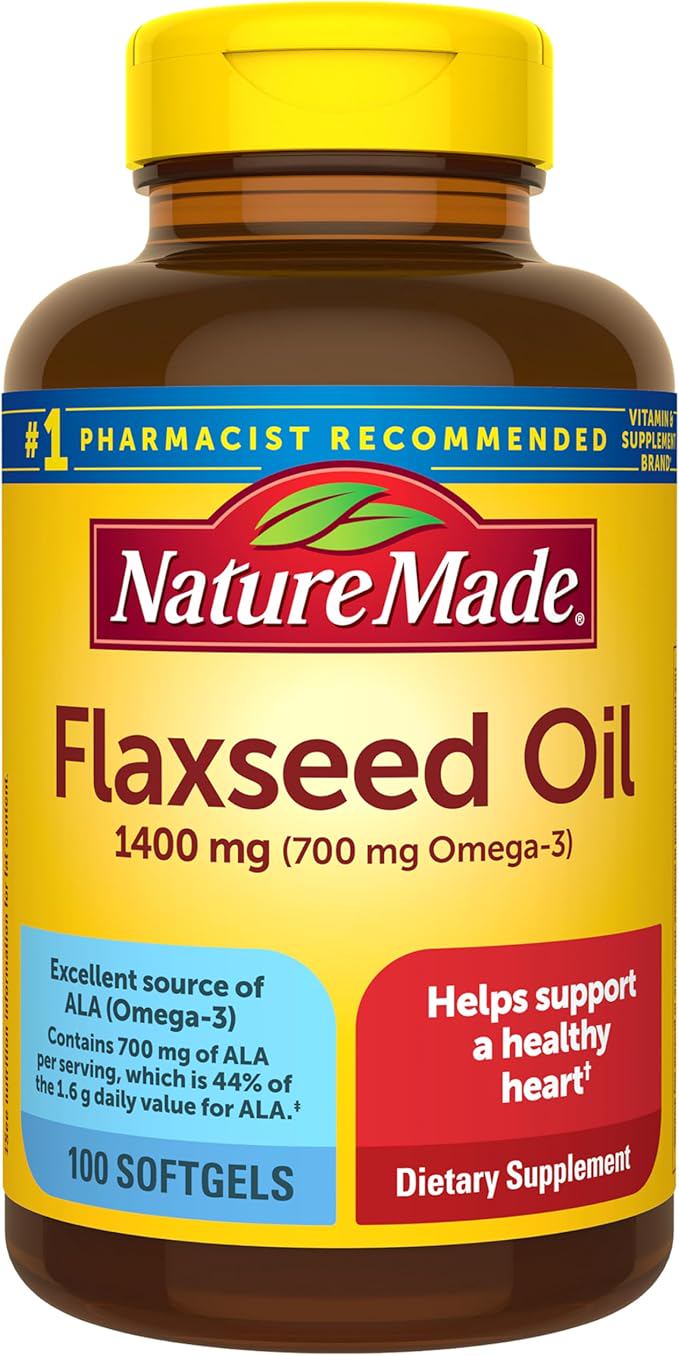
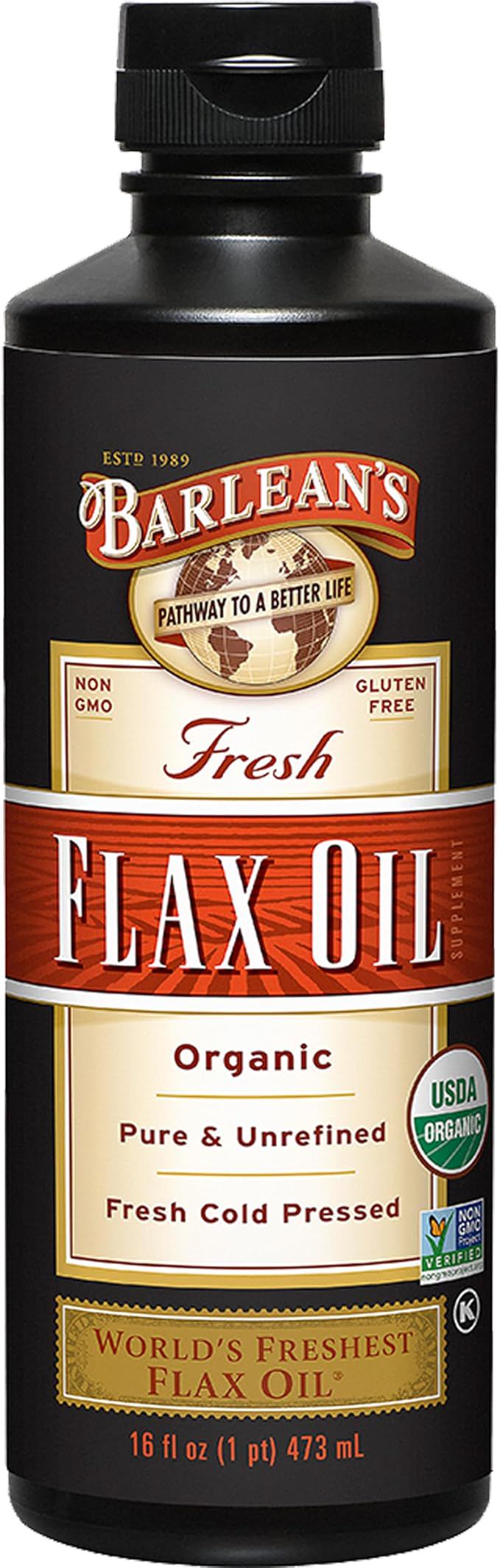
Data from the Journal of the Academy of Nutrition and Dietetics indicates that people with acne tend to have higher ratios of omega-6 to omega-3 in their blood. You don't need to purge every bottle of vegetable oil; just start using olive or avocado oil for sautéing, eat fatty fish (salmon, sardines) twice a week, and sprinkle flaxseeds or chia seeds onto meals.
5. Whey protein supplements
Whey protein, a common ingredient in protein powders and bars, is a dairy derivative. Several small clinical trials and case reports have documented new-onset or worsening acne in people who start whey supplements, especially at high doses (over 50 grams per day).
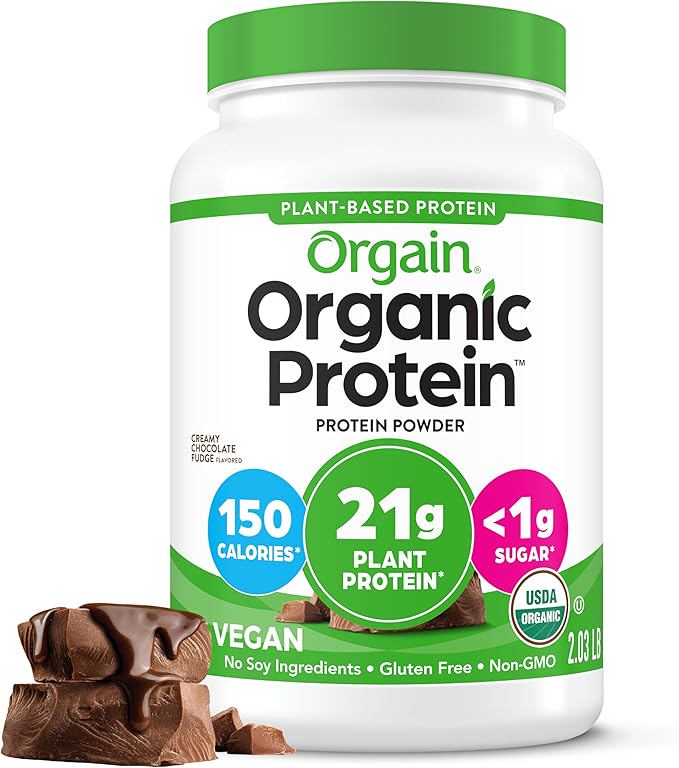
Whey spikes IGF-1 more than casein or plant-based proteins do, and it also elevates insulin levels—a double pathway to excess sebum. If you lift weights or use protein shakes for recovery, try swapping to a plant-based blend (pea, hemp, or rice protein) for three to four weeks and note any change in cyst frequency.
6. Chocolate (low-quality, sugary types)
This is the one no one wants to hear. Research is somewhat mixed, but a 2020 double-blind trial had participants eat either real dark chocolate or a placebo bar with the same glycemic load. The real chocolate group experienced more acne bumps after just two days. The culprit wasn't necessarily cocoa itself but likely a combination of sugar, milk solids, and possible immune reactivity to cocoa proteins.
A square or two of 85% or higher dark chocolate is far less likely to trigger a reaction than a milk chocolate candy bar. Pay attention to the carbohydrate and sugar content: the less sugar per serving, the lower the risk of an insulin spike.
Putting it all together
You don't need to cut out every food mentioned here forever. The evidence points to patterns: high-glycemic foods, certain dairy products, and oils that tip inflammation scales are the main offenders. Many people find they can tolerate small amounts of these foods if their overall diet is balanced and anti-inflammatory.
If your cystic acne is moderate or severe, or if it doesn't respond to diet changes after a few months, a dermatologist can help. Topical retinoids, oral spironolactone (for women), and hormonal birth control remain the standard clinical treatments. Food modifications are a complementary tool, not a stand-alone cure.