You've cut the soda, swapped candy for fruit, and maybe even given up your morning latte. Yet those deep, painful cystic breakouts keep returning. If this sounds familiar, the culprit might not be the sugar you know you're eating—it's the sugar you don't see coming.
Cystic acne is driven by inflammation and hormonal fluctuations, and sugar is a well-documented trigger. It spikes insulin, which in turn ramps up androgen hormones and sebum production. The real challenge isn't avoiding an obvious cookie; it's spotting the glucose, fructose, and syrups hiding in everyday foods that seem perfectly healthy. Here is how to identify those hidden sources, according to dermatologists and dietitians who specialize in acne.
Why Hidden Sugar Matters More for Cystic Acne
Unlike surface whiteheads, cystic acne forms deep within the dermis. This means its triggers are often systemic. When you eat high-glycemic foods, your body releases insulin-like growth factor 1 (IGF-1), which signals your sebaceous glands to produce more oil and accelerates skin-cell turnover. The result? Pores become clogged beneath the surface, and bacteria thrive, leading to inflamed cysts.
The problem with hidden sugar is that you may consume enough to spike insulin without ever tasting sweetness. A single tablespoon of ketchup contains about 4 grams of sugar—roughly one teaspoon. A bottled salad dressing might deliver two teaspoons per serving. Over the course of a day, these small doses add up to a significant glycemic load, keeping your insulin levels elevated and your acne cycle active.
Reading Labels Like a Dermatologist
Manufacturers use over 50 different names for added sugar. To identify hidden sources that can worsen cystic acne, check the ingredient list—not just the nutrition panel. The following terms all indicate added sugar:
- Syrups: Brown rice syrup, corn syrup, high-fructose corn syrup, malt syrup, maple syrup, agave nectar
- Words ending in -ose: Dextrose, fructose, glucose, lactose, maltose, sucrose
- Concentrates: Fruit juice concentrate, evaporated cane juice, cane crystals
- Other names: Barley malt, molasses, honey, date sugar, coconut sugar
Even products labeled "no added sugar" or "unsweetened" may contain natural sugars that still affect blood sugar. A plain Greek yogurt, for instance, naturally has about 5 grams of sugar per serving from lactose. When you add granola (often sweetened with honey or rice syrup) and dried fruit, you can easily consume 20+ grams of sugar in what feels like a health-conscious breakfast.
A dermatologist's quick rule: If a packaged food has more than 5 grams of sugar per serving—and it's not a whole fruit or plain dairy—consider it a possible acne trigger. Eat it rarely, if at all.
Sneaky Sources in Common "Healthy" Foods
Some of the worst hidden sugar sources for cystic acne wear a health halo. Watch for these:
- Flavored oat milk and almond milk: Original or vanilla varieties often have 7–10 grams of added sugar per cup.
- Protein bars and protein powders: Many contain brown rice syrup or date paste as a binder, delivering 15–25 grams of sugar per bar.
- Tomato-based sauces: Pasta sauce, barbecue sauce, and sriracha routinely include sugar as the second or third ingredient.
- Salad dressings and vinaigrettes: Balsamic glaze and raspberry vinaigrette are often sugar-heavy. Look for dressings with 2 grams of sugar or less per serving.
- Rice cakes and whole-grain crackers: These are often made with refined grains and can contain hidden sweeteners. While low in sugar by weight, their high glycemic index can still trigger insulin spikes.
How to Swap Without Feeling Deprived
Eliminating hidden sugar doesn't mean a joyless diet. The goal is to lower your overall glycemic load, not to achieve zero sugar. Start with these practical swaps:
- Instead of flavored yogurt, choose plain full-fat Greek yogurt and add a few fresh berries. The protein and fat content helps slow sugar absorption.
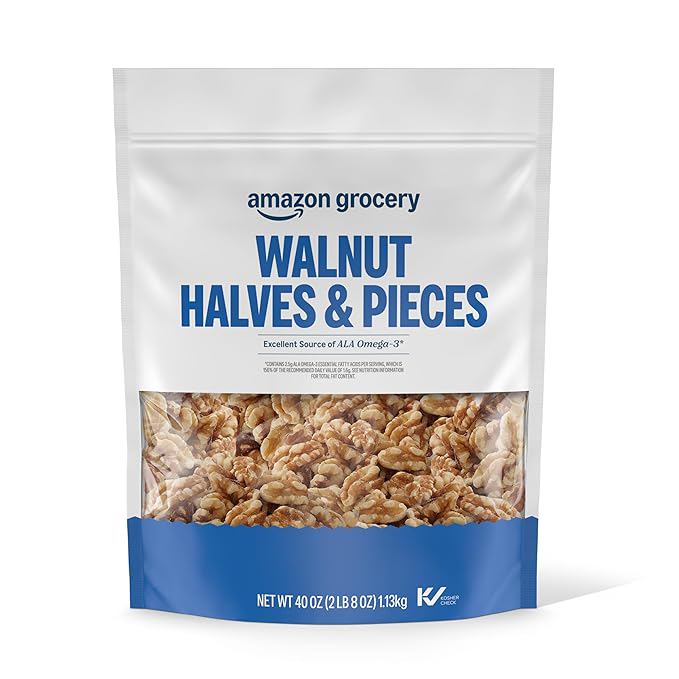
- Instead of granola, try a small handful of unsalted nuts or seeds on your yogurt. You get crunch without the glycemic spike.
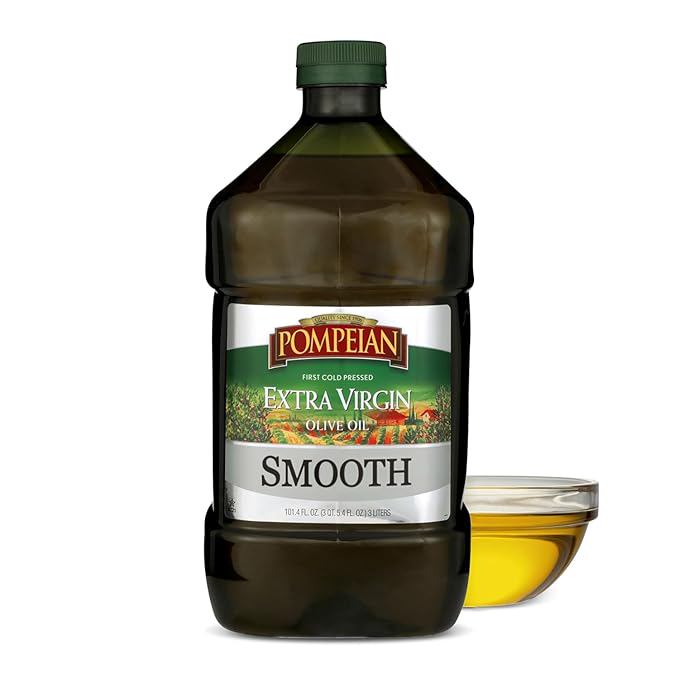
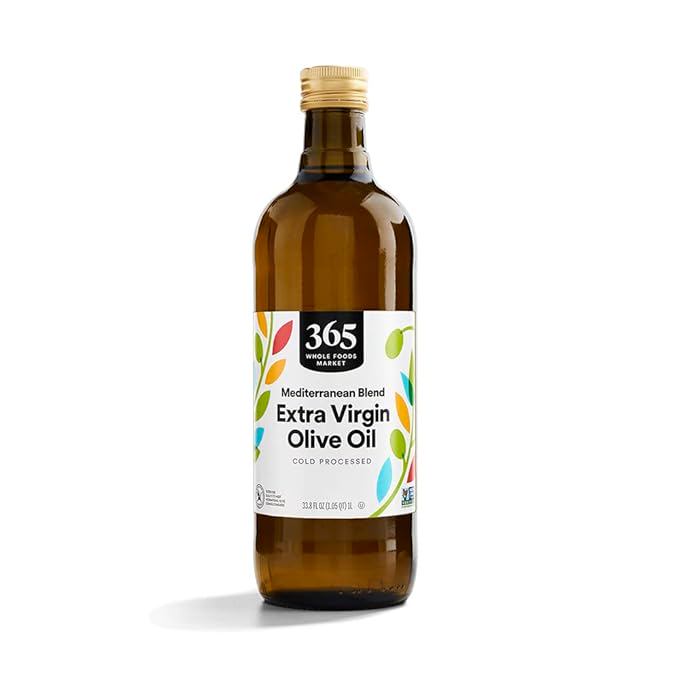
- Instead of bottled salad dressing, whisk olive oil, lemon juice, Dijon mustard, and herbs. It takes 30 seconds and contains zero hidden sugar.
- Instead of protein bars, eat a boiled egg or an apple with nut butter. Both provide satiety and stable blood sugar.
The Timing Factor: When You Eat Matters
Experts also point out that eating sugar on an empty stomach produces a sharper insulin spike than eating it after protein or fiber. If you have cystic acne, avoid consuming sweet foods or high-glycemic carbs (like white rice, bread, or crackers) alone. Pair them with protein, healthy fat, or vegetables. For example, if you want a piece of fruit, have it after a meal rather than as a standalone snack.
This principle also applies to beverages. A coffee with sugar on an empty morning stomach can kickstart a significant insulin surge. Try drinking black coffee, or add a dash of cinnamon instead of sweetener.
When to See a Professional
Dietary changes can take six to twelve weeks to show noticeable improvements in cystic acne. Hidden sugar may be a major factor, but it is rarely the only one. If you've cleaned up your diet and still experience deep breakouts, consult a board-certified dermatologist. You may need prescription-strength treatments, hormonal evaluation, or testing for insulin resistance. A registered dietitian can also help you track your daily sugar intake more accurately and identify patterns you might miss.
Remember: you are not looking for perfection. The goal is to reduce the hidden sugar load enough to break the insulin-inflammatory cycle. Each small swap brings you one step closer to clearer skin.