
Collagen is often described as the scaffolding that holds your skin, bones, and connective tissues together. In your twenties, your body produces collagen in abundance — which is why skin looks plump, joints feel fluid, and hair has bounce. But somewhere around the mid-twenties, that production starts to slow down. By the time you hit your forties, you can be losing collagen at a rate of about one percent per year. This natural decline is a key reason why fine lines, sagging skin, and joint stiffness become more noticeable over time.
Understanding why collagen drops off — and which daily habits accelerate the loss — is the first step toward preserving it. While you cannot stop the clock completely, there are evidence-backed strategies that support your body’s natural collagen maintenance. Here is what happens inside your body and what you can do about it.
What drives natural collagen loss?
Your body synthesizes collagen from amino acids, with help from vitamin C, zinc, and copper. As you age, the fibroblasts that produce collagen become less efficient. This is a normal part of biological aging, but several lifestyle and environmental factors speed up the process significantly.
Sun exposure is the most significant external trigger. Ultraviolet radiation breaks down collagen fibers and triggers the formation of enzymes called matrix metalloproteinases (MMPs), which degrade collagen structure. Even short, daily sun exposure adds up over a lifetime. Smoking is another major culprit: the chemicals in cigarette smoke damage collagen and elastin, restricting blood flow to the skin. Poor diet — especially one low in protein and vitamin C — starves the collagen production system of the raw materials it needs. Chronic stress and inadequate sleep also raise cortisol levels, which inhibit collagen synthesis and increase skin breakdown.
Research suggests that about 80 percent of visible facial aging can be attributed to cumulative sun exposure — more than any other single factor.
Can you slow collagen decline naturally?
Yes, certain dietary and lifestyle choices help maintain collagen levels longer. While you cannot reverse all age-related loss, you can reduce the rate of decline and support your body’s repair processes.
Prioritize protein and specific nutrients
Collagen is made primarily from three amino acids: glycine, proline, and hydroxyproline. Consuming adequate protein — from sources like chicken, fish, eggs, beans, and nuts — ensures your body has the building blocks. Vitamin C is equally crucial because it acts as a cofactor for collagen synthesis. Aim for citrus fruits, bell peppers, strawberries, and broccoli. Zinc and copper, found in shellfish, seeds, and whole grains, also support collagen formation and cross-linking.
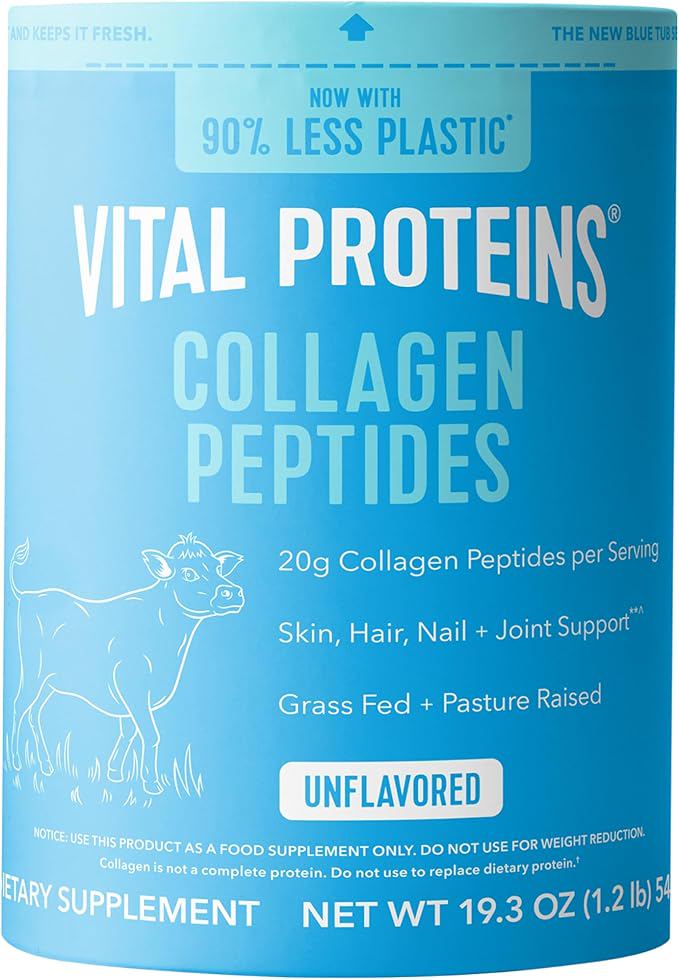
Bone broth, chicken skin, and fish skin naturally contain collagen, though your body breaks it down into amino acids during digestion — it does not go straight to your skin. Collagen peptide supplements (hydrolyzed collagen) have gained attention for their potential to stimulate collagen production. Some small studies suggest they may improve skin elasticity and hydration, but results vary, and researchers note more high-quality trials are needed.
Protect your skin barrier every day
Daily sun protection is non-negotiable. Use a broad-spectrum sunscreen with at least SPF 30, and reapply every two hours if you are outdoors. Physical blockers like zinc oxide or titanium dioxide are excellent choices. Wear a wide-brimmed hat and seek shade during peak UV hours (10 a.m. to 4 p.m.). Sun damage is cumulative, so starting a protection habit at any age matters.
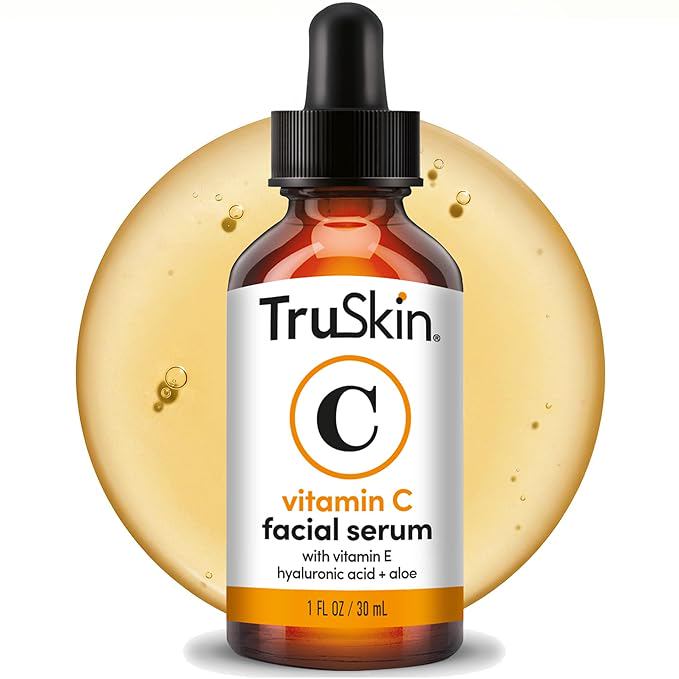
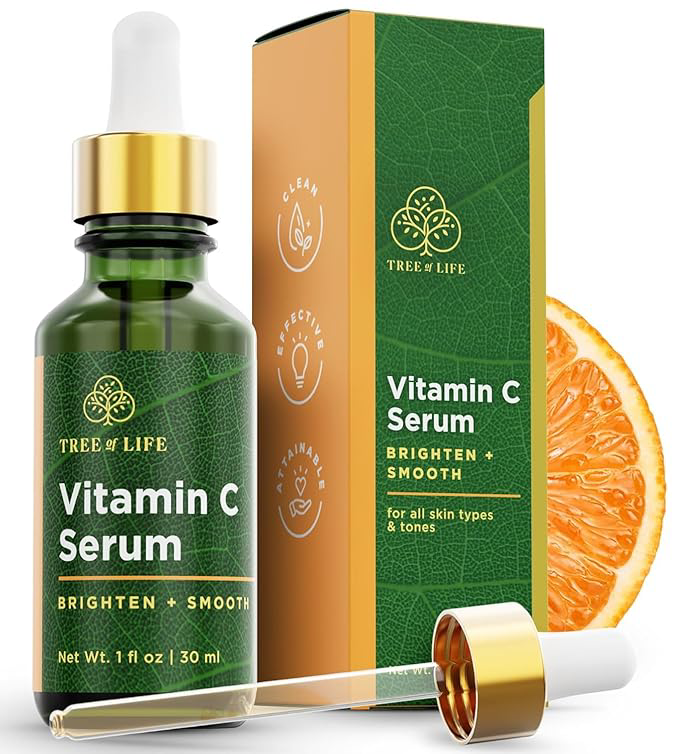
Topical ingredients like retinoids (vitamin A derivatives) and vitamin C serums have been shown to support collagen synthesis in the skin when used consistently over months. Retinoids work by speeding cell turnover and stimulating collagen production; vitamin C helps protect existing collagen from oxidative stress. Always introduce new skincare products gradually and consult a board-certified dermatologist before starting prescription retinoids.
Reduce sugar and ultra-processed foods
High blood sugar contributes to a process called glycation, where sugar molecules attach to collagen fibers and form harmful cross-links called advanced glycation end products (AGEs). These AGEs make collagen stiff and brittle, contributing to wrinkles and loss of elasticity. Keeping added sugar intake low and eating a balanced diet with plenty of vegetables, lean proteins, and healthy unsaturated fats helps minimize glycation.
Manage stress and improve sleep quality
Chronically elevated cortisol from stress reduces collagen production and can break down existing collagen. Incorporating stress-management practices — whether that is walking, meditation, journaling, or talking with a friend — has a measurable impact on skin health. Sleep is when your body performs most of its repair and regeneration work. Aim for seven to nine hours per night, and prioritize consistent sleep and wake times to support your circadian rhythm.
Does exercise help collagen?
Moderate, consistent exercise may help maintain collagen levels indirectly. Physical activity improves circulation, which delivers oxygen and nutrients to skin and connective tissues while carrying away waste products. Strength training, in particular, supports bone and joint health, and there is emerging evidence that exercise can blunt some age-related declines in muscle and tendon collagen content. You do not need extreme workouts — brisk walking, yoga, resistance bands, or light weights all contribute.
What about collagen injections or procedures?
Medical and aesthetic procedures — such as microneedling, radiofrequency, laser therapy, and injectable collagen fillers — are designed to stimulate collagen remodeling in targeted areas. These treatments should only be performed by qualified medical professionals after a full consultation. They can help improve the appearance of wrinkles and skin laxity, but they do not address systemic collagen loss throughout the body. Results are temporary and typically require maintenance sessions. This article focuses on non-invasive, lifestyle-based approaches; speak with a dermatologist to determine which medical options are appropriate for your individual needs.
Key takeaways
- Collagen production declines naturally from the mid-twenties onward due to fibroblast aging and hormonal changes.
- Sun exposure and smoking are the strongest external accelerators of collagen breakdown; daily broad-spectrum sunscreen and avoiding tobacco are essential protective measures.
- Eating adequate protein, vitamin C, zinc, and copper supports the body's collagen synthesis process.
- High sugar intake promotes glycation, which stiffens collagen fibers and accelerates visible aging.
- Consistent sleep, stress management, and moderate exercise contribute to maintaining collagen over the long term.