
Dark under-eye circles are one of those things that can make you look tired even when you’re not. Whether they’re from genetics, lack of sleep, or just a busy season, those shadows under your eyes can feel stubborn. Before you reach for heavy concealer, it’s worth knowing that a few simple home remedies — backed by real research — can help reduce their appearance over time.
These five remedies focus on improving circulation, reducing pigmentation, and supporting the delicate skin around your eyes. None of them are overnight miracles, but used consistently, they can make a visible difference.
Cold Compresses for Puffiness and Circulation
One of the fastest ways to address dark circles that look worse due to puffiness is a cold compress. The cold constricts blood vessels, which reduces swelling and the visibility of dark blood vessels under thin under-eye skin. You can use a chilled spoon, a gel eye mask kept in the fridge, or even two cold cucumber slices. Apply for about 10 minutes in the morning or whenever you need a quick refresh. Studies on cryotherapy in dermatology confirm that controlled cold application reduces inflammation and vascular dilation — both of which contribute to under-eye shadows.
Tea Bags: Caffeine and Antioxidants Topically
Used tea bags aren’t just an old wives’ tale; there’s science behind them. Both green and black tea contain caffeine and antioxidants called tannins. Caffeine is a vasoconstrictor, meaning it can temporarily tighten blood vessels and reduce the bluish tint from visible veins. Tannins help reduce puffiness by constricting tissues. After steeping two tea bags, let them cool completely in the refrigerator (about 15–20 minutes), then place them over your closed eyes for 10–15 minutes. A 2016 study in the Journal of Clinical and Aesthetic Dermatology noted that topical caffeine can improve microcirculation and decrease periorbital darkening when used regularly.
Vitamin C Serums for Pigmentation
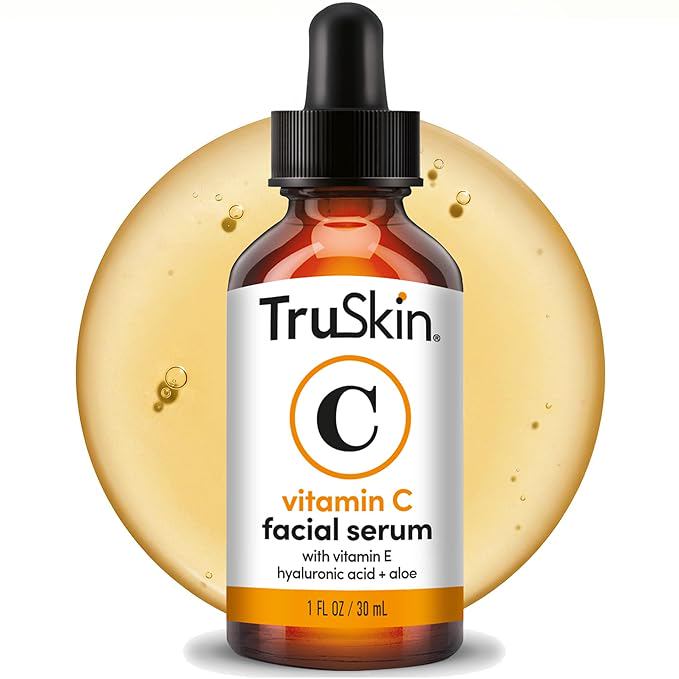
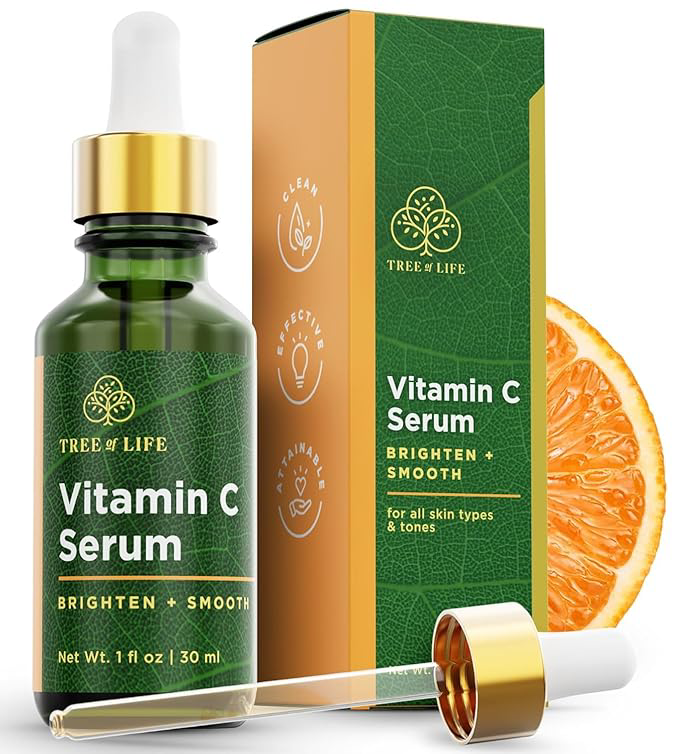
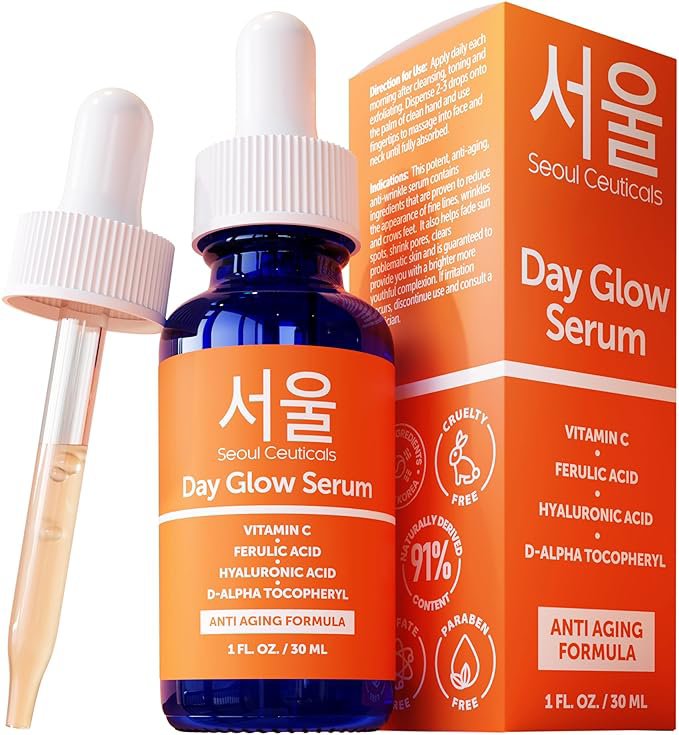
If your dark circles are more brownish than blue, they’re likely caused by hyperpigmentation or sun damage. Vitamin C is one of the most researched ingredients for brightening skin. Applied topically in a gentle serum or mixed with a carrier oil (like vitamin E oil), it inhibits melanin production and boosts collagen synthesis. For a DIY approach, you can crush a vitamin C tablet and mix it with a drop of water or aloe vera gel, but commercial serums with stable L-ascorbic acid are more reliable. The American Academy of Dermatology recognizes vitamin C as effective for photodamage and uneven pigmentation when used consistently over several weeks.
A note of caution: never apply pure lemon juice to the under-eye area — it’s too acidic and can cause irritation or burns.
Adequate Sleep and Hydration
It may sound obvious, but chronic sleep deprivation and dehydration are among the most common reversible causes of dark circles. When you’re dehydrated, the skin around your eyes looks duller and shadows become more pronounced. Sleep allows the body to regulate cortisol and blood flow; without it, blood pools under the eyes, creating a darker appearance. Aim for 7–9 hours per night. In terms of hydration, a study in the Journal of Clinical Sleep Medicine found that poor sleep quality correlates with increased periorbital darkness and puffiness. Drinking enough water throughout the day helps maintain skin plumpness.
Moisturize With Ingredients That Strengthen the Skin Barrier
The under-eye skin is extremely thin — about 0.5 mm — and naturally loses moisture faster than other areas. This thinness makes blood vessels more visible. Moisturizers containing ceramides, hyaluronic acid, or squalane can help reinforce the skin barrier, making the area appear smoother and less transparent. A gentle, fragrance-free eye cream applied twice daily can improve the overall tone over a few weeks. While not a direct treatment for melanin, stronger barrier function means less fluid retention and a more even surface.
These five remedies work best when you combine them with sun protection. The sun breaks down collagen and worsens pigmentation, so a broad-spectrum sunscreen (SPF 30+) around the eyes — or sunglasses that block UV — is essential. If your dark circles persist despite these changes, it may be worth talking to a dermatologist about underlying allergies or medical causes.