
When it comes to caring for your skin, what you put on your plate in the morning can make a real difference. Dietitians point to three breakfast-friendly foods that are particularly effective at supporting collagen and protecting against oxidative stress—two key factors in keeping fine lines at bay.
These ingredients aren't exotic or expensive. They're everyday staples that happen to be packed with nutrients that research links to healthier, more resilient skin. Here's what they recommend adding to your morning routine.
Why breakfast matters for your skin
Your skin repairs itself overnight, and by morning, it's ready for nutrients that support that work. A breakfast rich in antioxidants, healthy fats, and key vitamins can stabilize blood sugar and reduce inflammation—both of which influence how quickly you show signs of aging. Starting your day with these three foods gives your skin the building blocks it needs to stay supple and smooth.
A quick note: While these foods are supported by nutritional science, individual results vary. No single meal can erase wrinkles, but a consistent pattern of nutrient-dense eating supports long-term skin health.
1. Eggs
Eggs are one of the best dietary sources of lutein and zeaxanthin—antioxidants that accumulate in your skin as well as your eyes. Research suggests that lutein can help protect skin from UV damage and improve hydration and elasticity. Eggs also provide high-quality protein, including amino acids like glycine and proline, which are essential for collagen production.
Try pairing eggs with vegetables or whole grains for a complete meal that gives your skin a protein and antioxidant boost right from the start of your day.
2. Berries
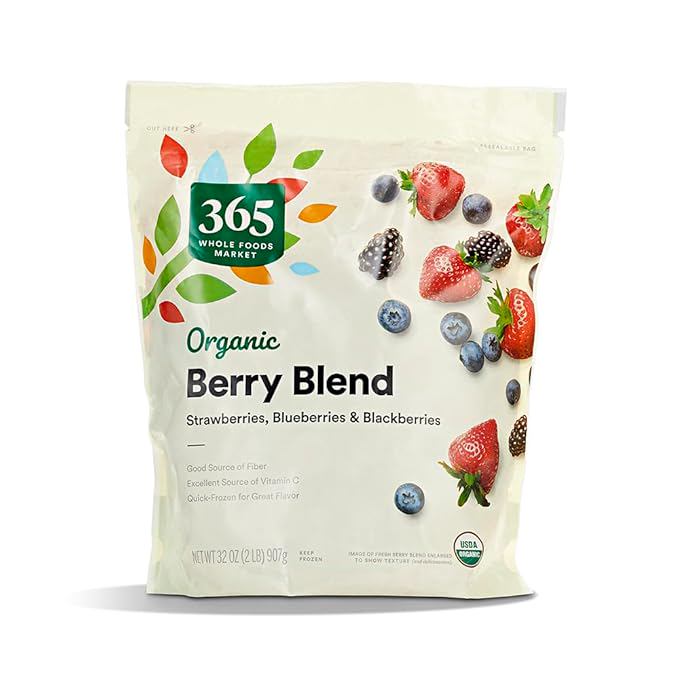
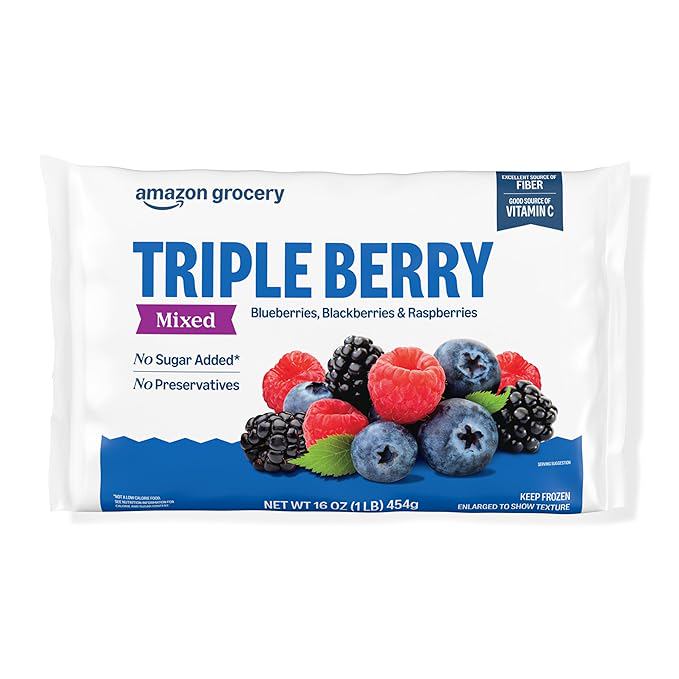
Berries—especially blueberries, strawberries, and raspberries—are loaded with vitamin C and polyphenols. Vitamin C is a necessary cofactor for collagen synthesis, meaning your body cannot build new collagen without it. These same compounds also fight free radicals that accelerate wrinkle formation.
One cup of strawberries provides more than 100% of your daily vitamin C needs. Adding a handful of mixed berries to oatmeal or yogurt gives you an antioxidant payload that supports your skin's matrix and helps prevent premature aging.
3. Fatty fish
Salmon, mackerel, and sardines are rich in omega-3 fatty acids, particularly EPA and DHA. These fats help maintain the skin's oil barrier, which keeps it hydrated and plump—both of which make fine lines less noticeable. Omega-3s also have anti-inflammatory properties that can calm skin and support collagen integrity.
Aim for two servings of fatty fish per week. For breakfast, a small fillet with scrambled eggs or flaked salmon on whole-grain toast works well.
How to combine them for best results
Pairing these foods together amplifies their benefits. Consider a spinach and salmon scramble served with a side of mixed berries. The eggs provide lutein, the salmon supplies omega-3s, and the berries deliver vitamin C. It's a balanced meal that covers protein, healthy fats, and antioxidants—all in one dish.
These recommendations are for general wellness education only. Always consult a healthcare provider before making significant changes to your diet, especially if you have existing health conditions or take medication.