
Dark circles under the eyes are one of the most common cosmetic complaints, and while lack of sleep is often blamed, the real culprit can be nutritional. Among the many causes of periorbital hyperpigmentation, iron deficiency is a particularly common and overlooked factor. When your body lacks iron, it cannot produce enough hemoglobin to carry oxygen efficiently to tissues, and the thin, delicate skin under the eyes is often the first place this shows.
Understanding the connection between low iron and dark circles can help you address the root cause rather than just covering up with concealer. Below, we break down how iron deficiency contributes to under-eye shadows, the key symptoms to watch for, and which foods can help restore healthy levels.
How iron deficiency leads to dark circles
Iron is essential for the production of hemoglobin, the protein in red blood cells that carries oxygen throughout the body. When iron stores are low, hemoglobin production drops, reducing oxygen delivery to tissues. The skin under the eyes is exceptionally thin and contains many small blood vessels, so even a slight drop in oxygenation can cause the blood vessels to appear more prominent, creating a bluish or purple tint.
Additionally, iron deficiency often causes pallor (pale skin), which makes the contrast between the under-eye area and the rest of your face more noticeable. The combination of visible blood vessels and paler surrounding skin creates the classic dark circle appearance. This is why people with anemia often look tired even after a full night’s rest.
Symptoms of iron deficiency beyond dark circles
Dark circles rarely appear in isolation. If low iron is to blame, you will likely experience other symptoms. Watch for these common signs:
- Persistent fatigue or weakness, even with adequate sleep
- Pale skin, especially noticeable on the inner eyelids, gums, or nail beds
- Shortness of breath or dizziness during routine activities
- Cold hands and feet, or brittle nails that spoon outward (koilonychia)
- Unusual cravings for non-food items like ice, dirt, or starch (pica)
- Restless legs syndrome or frequent headaches
If you have several of these symptoms along with under-eye circles, it is worth discussing a blood test with your healthcare provider to check your ferritin and hemoglobin levels.
Food fixes: iron-rich foods to help restore levels
Dietary changes can help improve iron status over time, especially when combined with strategies to enhance absorption. Iron comes in two forms: heme (from animal sources) and non-heme (from plant sources). Heme iron is absorbed more efficiently, but both are important.
Top heme iron sources
- Lean red meat (beef, lamb)
- Organ meats like liver (rich in iron and B12)
- Poultry (chicken, turkey, especially dark meat)
- Fish and shellfish (sardines, clams, oysters)
Top non-heme iron sources
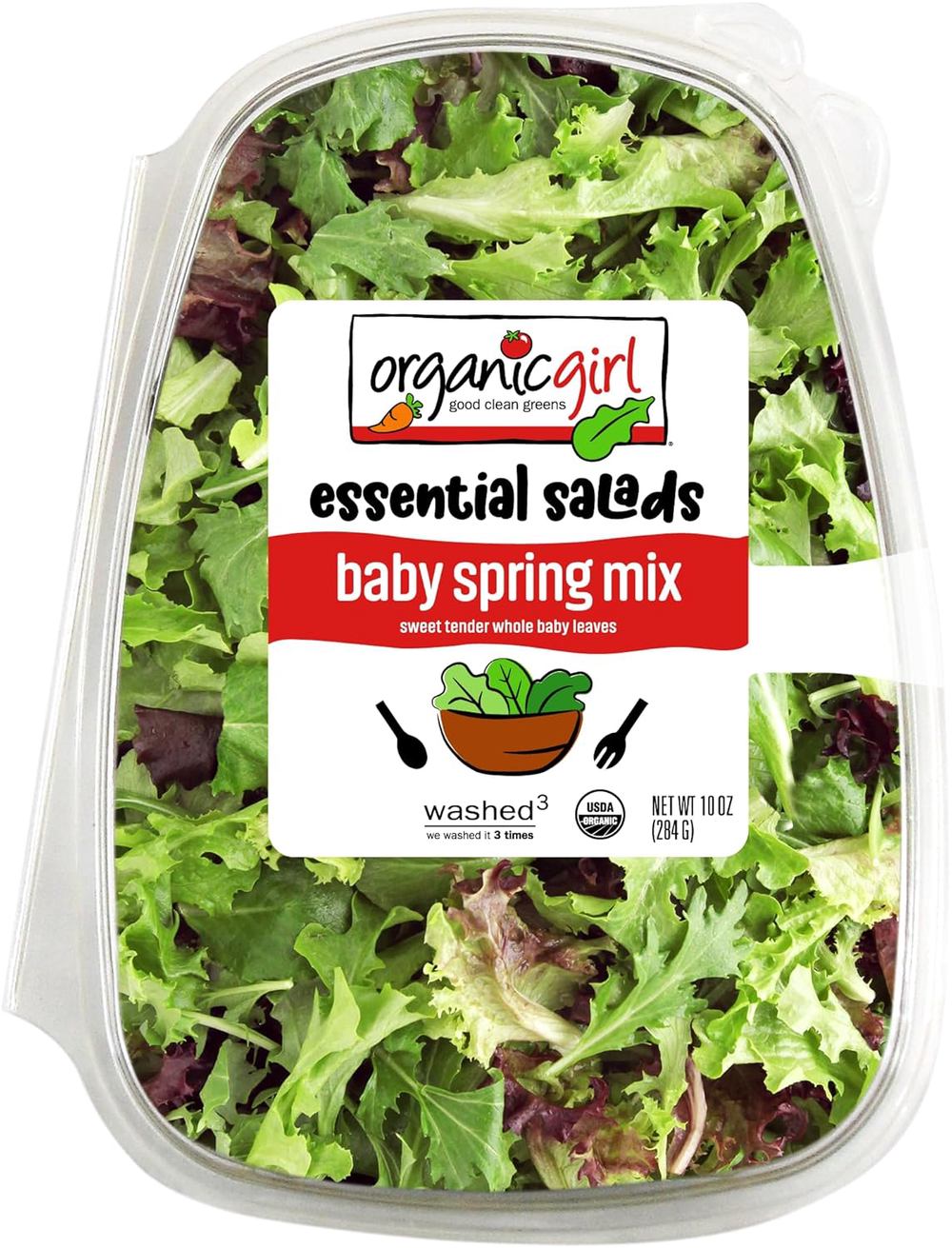
- Dark leafy greens (spinach, kale, Swiss chard)
- Legumes (lentils, chickpeas, kidney beans)
- Fortified cereals and oatmeal
- Pumpkin seeds, sesame seeds, and tahini
- Dried fruit (apricots, raisins, prunes)
- Tofu and tempeh
Pro tip: Pair plant-based iron sources with vitamin C to boost absorption. Add lemon juice to spinach, eat strawberries with oatmeal, or sip a small glass of orange juice alongside lentil soup.
At the same time, be mindful of foods that inhibit iron absorption. Tannins in tea and coffee, phytates in whole grains and legumes, and calcium in dairy can reduce uptake. Try to consume these separately from iron-rich meals—for example, wait an hour after eating before drinking tea or coffee.
Lifestyle factors that can worsen dark circles
While iron deficiency is a major driver, other factors can compound the problem. Allergies, nasal congestion, and sinus issues can cause blood pooling under the eyes. Chronic dehydration makes the skin look thinner and more translucent. Eye strain from screen time can lead to rubbing, which inflames the delicate area. And, of course, sleep deprivation dilates blood vessels, making dark circles more pronounced.
If you are addressing your iron intake but still see dark circles, consider a holistic approach: stay hydrated, manage allergies, protect your eyes from strain, and aim for consistent sleep.
When to see a doctor
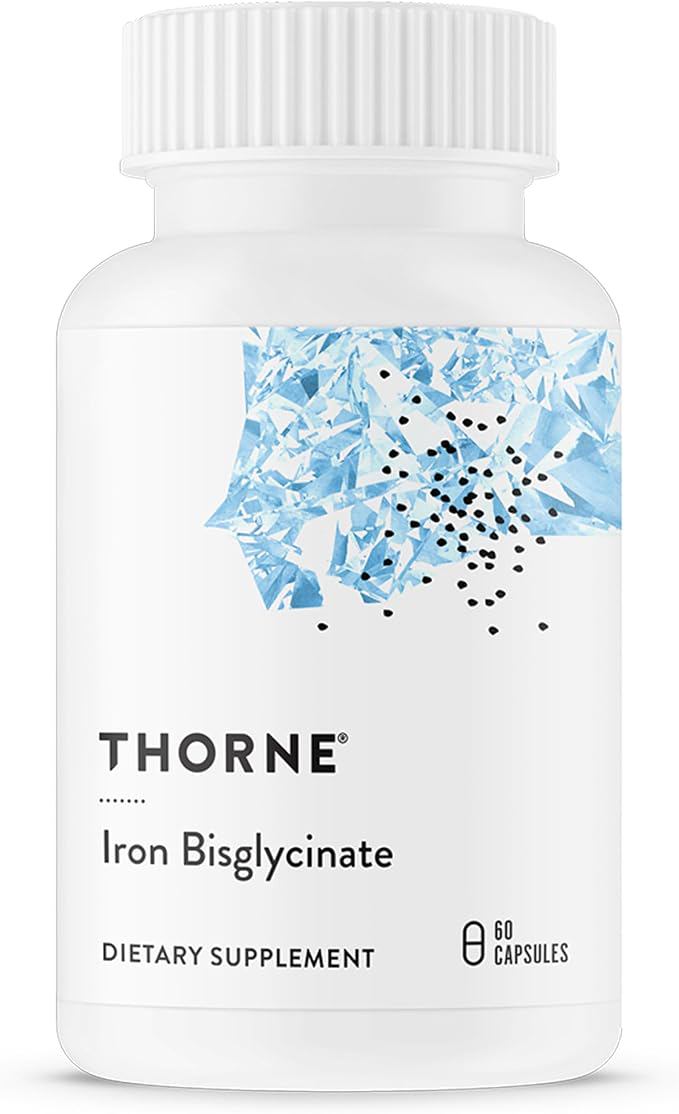
If dietary changes do not improve your symptoms after a few weeks, or if you experience severe fatigue, heart palpitations, or shortness of breath, seek medical evaluation. Iron deficiency anemia can be diagnosed with a simple blood test and is treatable with supplements or intravenous iron under medical supervision. Never self-prescribe high-dose iron supplements without testing, as excess iron can be toxic.
For most people, small, consistent dietary shifts—like adding a handful of spinach to your eggs or snacking on pumpkin seeds—can make a real difference in both energy levels and the appearance of dark circles over time.