You look in the mirror and notice a few new fine lines. Your first thought might be that age is catching up with you. But what if those lines aren't wrinkles at all? Dehydration can be a surprisingly common culprit behind early facial lines, and the good news is that these are often reversible. The key is knowing what to look for.
True aging wrinkles develop over years as collagen and elastin break down. Dehydration lines, on the other hand, form when your skin lacks enough water to maintain its plump, bouncy structure. Here are five specific warning signs that your fine lines might be more about moisture than your birthday count.
1. They appear suddenly and fade after you hydrate
One of the clearest clues is timing. If you wake up with fine lines under your eyes or across your forehead that soften or disappear after you drink a glass of water and apply moisturizer, you are likely dealing with dehydration. Dehydration lines are temporary by nature, whereas age-related wrinkles are more persistent and deepen gradually over time.
2. The lines look like a web or a crisscross pattern
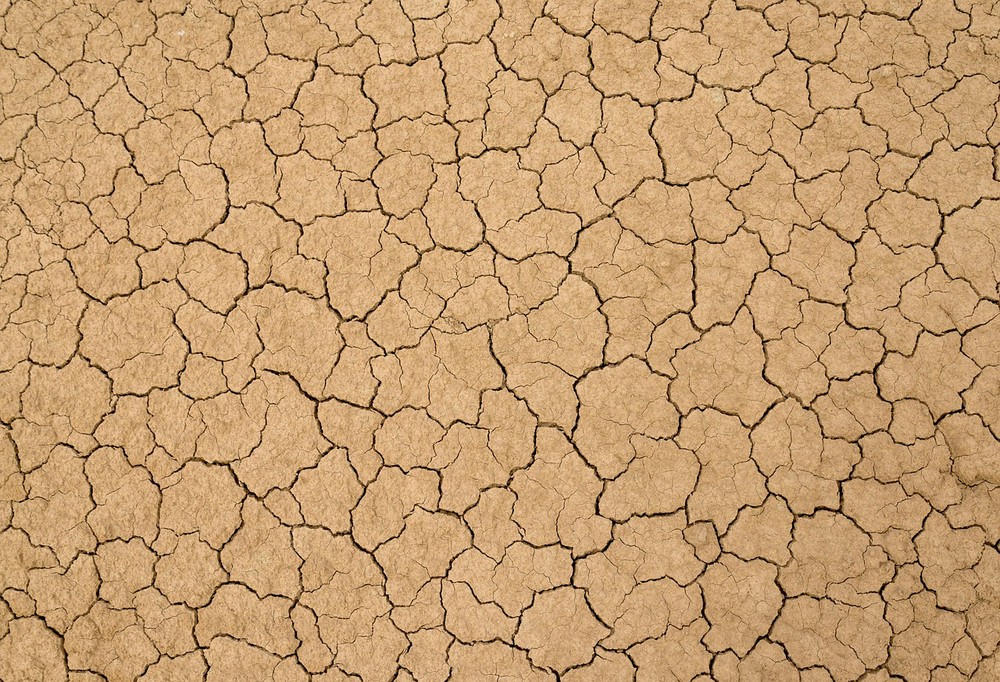
Dehydration often causes a network of fine, shallow lines across the cheeks, forehead, or around the mouth. This pattern resembles a delicate, dry web rather than the deeper, single creases associated with aging. When your skin cells are low on water, they shrink slightly, creating a textural surface that looks etched from dehydration rather than sun damage or collagen loss.
3. Your skin feels tight or looks dull alongside the lines
Fine lines rarely travel alone. If the skin around those lines also feels tight after cleansing, looks lackluster, or has a papery texture, dehydration is likely the root cause. Well-hydrated skin reflects light evenly and feels supple. When it is dry, it lacks that natural glow, and the fine lines become more visible because the surface is less plump.
4. The lines are more noticeable at the end of the day
Your hydration levels fluctuate throughout the day. Many people notice that their fine lines look worse in the late afternoon or after spending time in a dry, air-conditioned or heated environment. This pattern — worse later in the day, better in the morning after sleep and water intake — strongly points to dehydration rather than a permanent sign of aging.
5. Pinching the skin shows a slow bounce back
You can do a simple self-check. Gently pinch a small area of skin on the back of your hand or your cheek for a couple of seconds, then release. If the skin snaps back immediately, you are well hydrated. If it takes a moment to flatten back down, your skin may be lacking moisture. This is known as skin turgor, and a slow return is a classic sign of dehydration, not just aging.
What to do if you suspect dehydration is causing your fine lines
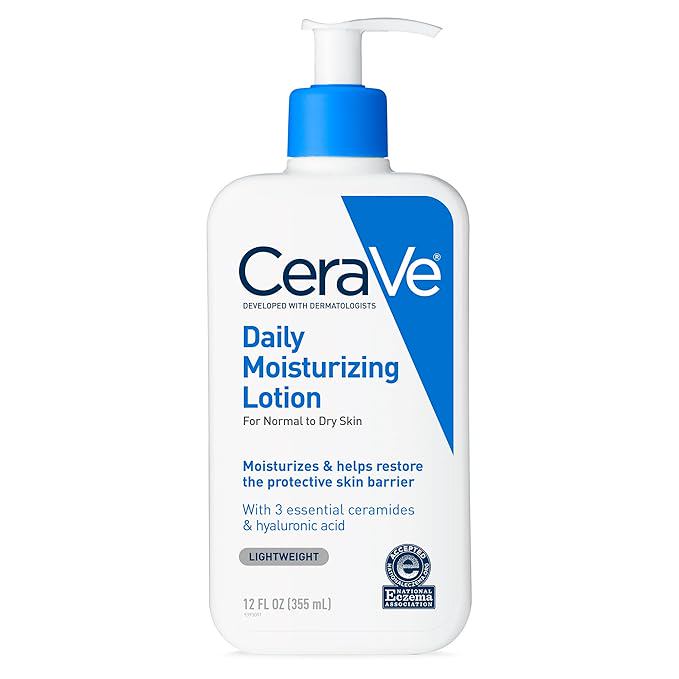
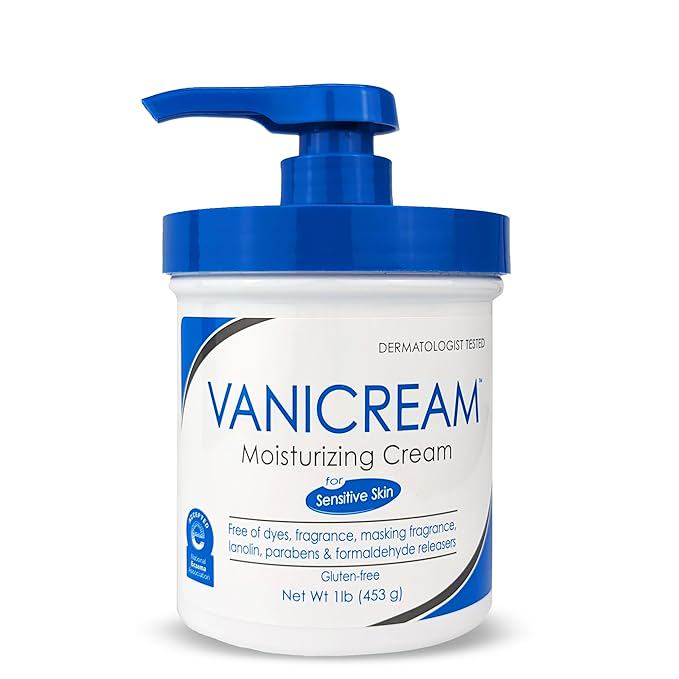
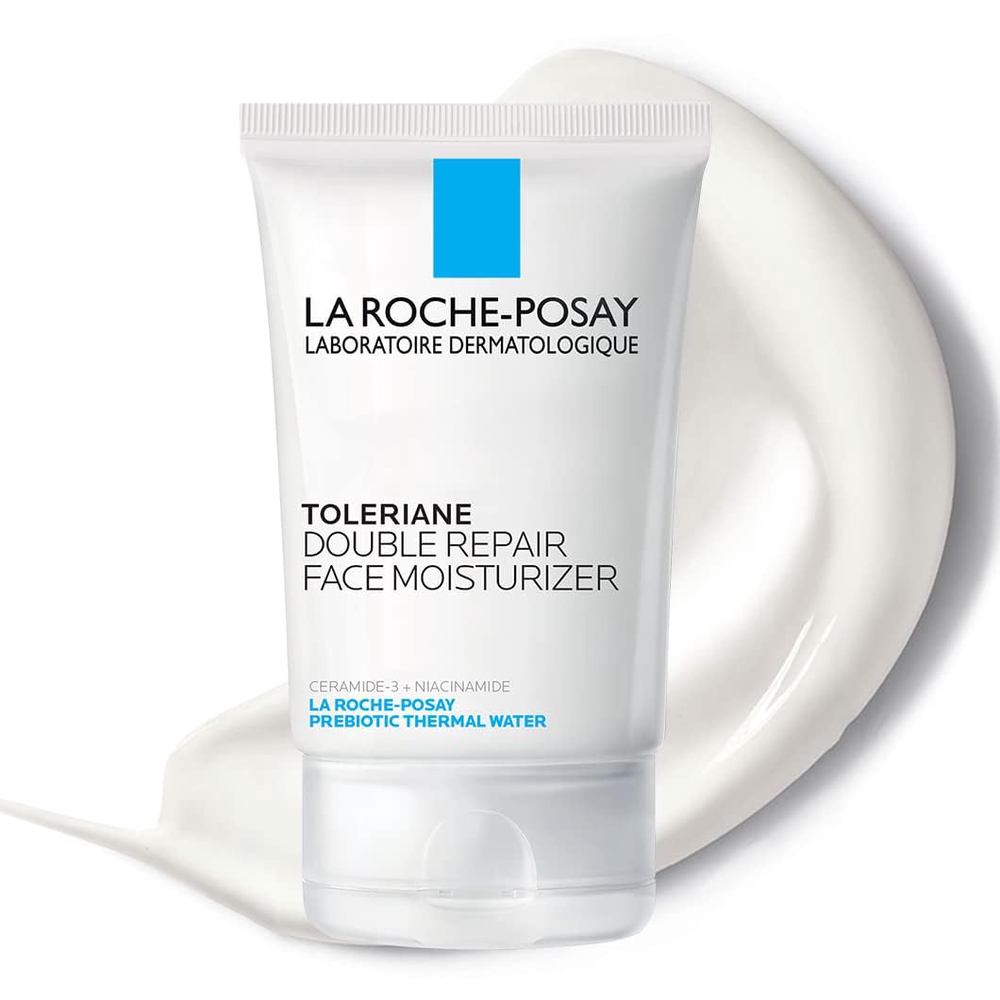
If these signs sound familiar, the next step is simple: focus on hydration from the inside out. Drink water consistently throughout the day, not just when you feel thirsty. Incorporate hydrating skincare ingredients like hyaluronic acid, glycerin, and ceramides into your routine. Consider using a humidifier in dry indoor spaces, and limit dehydrating habits like excessive caffeine or alcohol intake, which can pull water from your skin.
A quick note: severe or persistent fine lines that do not improve with hydration may involve other factors like sun damage, genetics, or natural aging. If you are concerned about your skin, a dermatologist can help you identify the true cause.