
If you’ve ever woken up to a tender, angry bump right at the corner of your jawline, you know it’s not just any pimple. Chin acne behaves differently — it tends to be deeper, slower to heal, and more likely to leave a dark mark. That’s because skin around the jawline has a unique combination of oil glands, movement, and sensitivity.
Understanding the mechanics behind stubborn breakouts along the chin helps take the guesswork out of treatment. Here’s a breakdown of why chin acne forms and what actually works to keep that area calm.
Why the chin is a hotspot for breakouts
Hormones and the “beard area” map
Androgens — the family of hormones that includes testosterone — ramp up oil production in the skin. The jawline and chin have a higher density of androgen receptors than other parts of the face. When your body’s hormonal rhythm shifts (during your menstrual cycle, pregnancy, perimenopause, or times of high stress), those receptors light up and signal the sebaceous glands to produce extra sebum. That oil mixes with dead skin cells, clogs pores, and feeds Cutibacterium acnes, the bacteria that drives inflammation.
This is why many women notice a pattern: breakouts that appear three to five days before their period and then fade. The chin is ground zero for this hormonal flare-up.
Physical friction and pressure
Think about how often your chin touches things: a phone held against your ear, a mask strap, the collar of a jacket, or your hand when you rest your head. Repetitive friction — called acne mechanica — clogs pores and irritates the follicle lining. Sleeping on a unwashed pillowcase in the same position night after night concentrates that effect on one side of the jawline.
Familiar mistakes that keep chin acne going
A common pitfall is treating chin bumps like regular surface pimples. Because they often start as deeper, tender nodules, topical spot treatments alone rarely reach the source. Over-scrubbing with physical exfoliants or alcohol-laden toners damages the skin barrier, causing rebound oiliness and more congestion.
A gentle rule: if a pimple on your chin feels sore before it looks red, reach for a soothing ingredient, not a harsh scrub.
Skincare routines that support the jawline
Cleanse without stripping
A foaming gel cleanser with salicylic acid (beta hydroxy acid) penetrates oil-filled pores. Wash for sixty seconds on the chin area, then rinse with lukewarm water. Avoid hot water — it strips lipids and leaves the skin tight, which triggers more oil production. For morning, a simple non-foaming cream cleanser may be enough; save the salicylic acid for the evening routine.
Active ingredients that help (used consistently)
- Salicylic acid – dissolves the “glue” between dead skin cells so pores stay unclogged. Leave a 0.5–2% formula on for two to three minutes before rinsing.
- Niacinamide (vitamin B3) – helps regulate oil flow and calms redness without drying.
- Benzoyl peroxide – kills acne bacteria quickly but can bleach fabrics; use a wash formula (2.5–5%) to reduce irritation.
- Retinoids (over-the-counter retinol or prescription tretinoin) – speed up cell turnover so old skin doesn’t block pores. Start two nights per week to build tolerance.
One effective approach: apply a thin layer of benzoyl peroxide gel after cleansing on the chin only, wait ten minutes, then moisturize. This short-contact method kills bacteria with less redness than leaving it on overnight.
Moisturize — even oily chin skin needs it
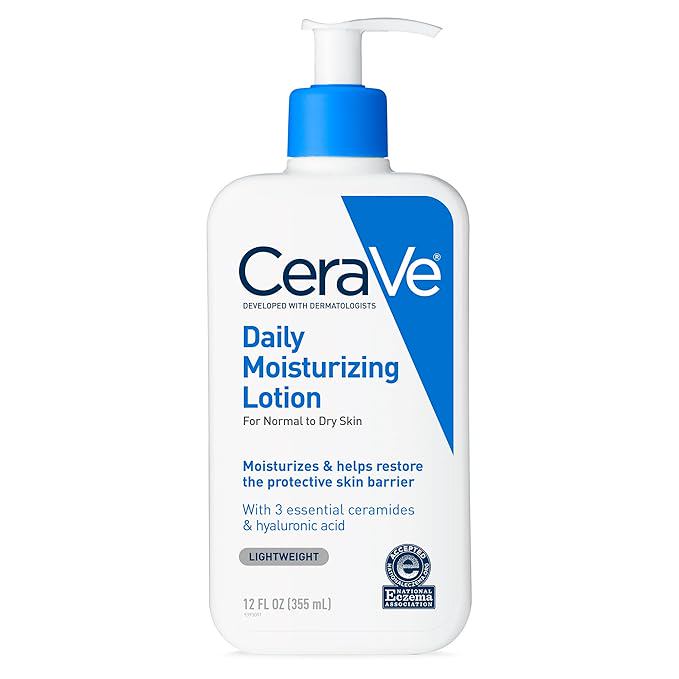
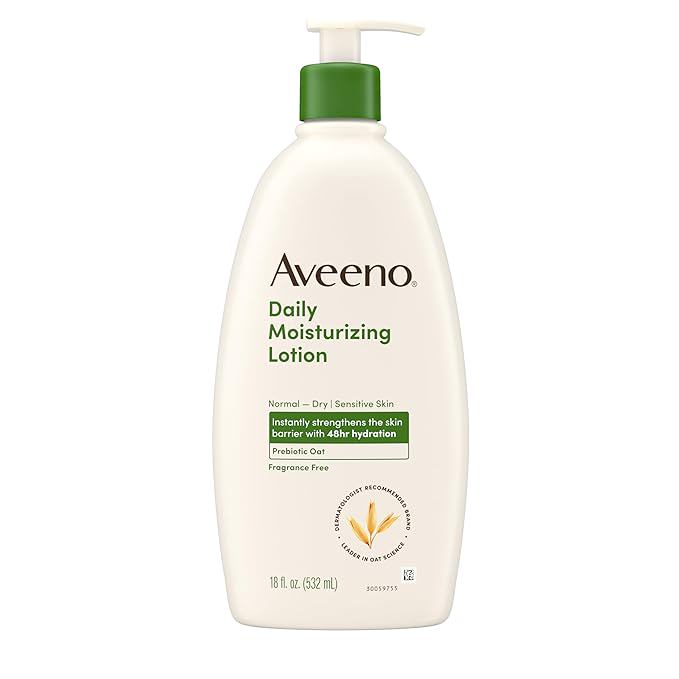
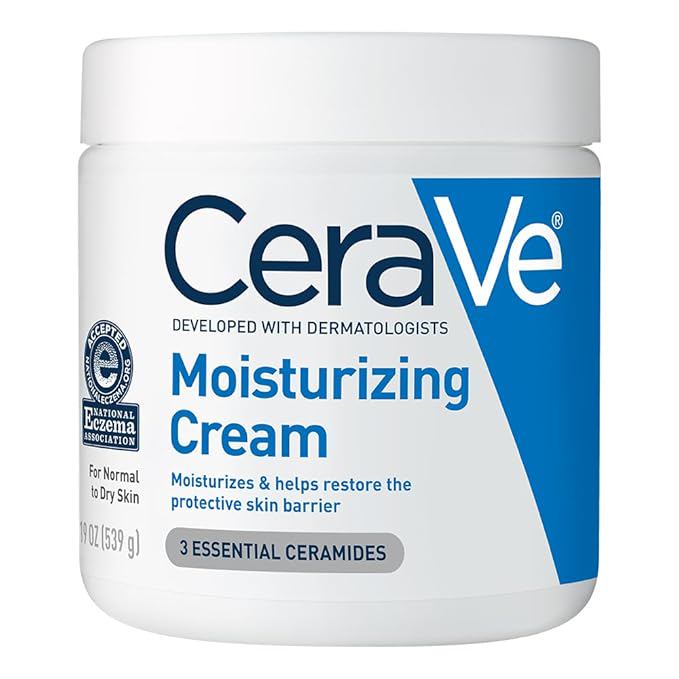
Many people with chin acne skip moisturizer, worried it will cause more breakouts. In reality, a properly hydrated skin barrier produces less inflammation and heals faster. Look for “non-comedogenic” labels or gel-creams with ingredients like ceramides, squalane, or hyaluronic acid. Apply a lightweight moisturizer while the skin is still damp to lock in hydration without heaviness.
Daily habits that reduce flare-ups
Change your pillowcase every two to three days
Turning a clean pillowcase each night — or using a fresh cotton t-shirt — dramatically cuts down re-exposure to bacteria, oil, and dead cells. Aim for two pillowcases in rotation; wash them in hot water with a gentle, fragrance-free detergent.
Keep your phone and hands clean
Wipe your phone screen with a hypochlorous acid spray or alcohol wipe at least once a day. Avoid touching your chin with unwashed hands; if you rest your chin on your hand during the day, you’re transferring every surface bacteria directly into your pores.
Monitor your toothpaste and lip products
Some toothpaste formulations contain sodium lauryl sulfate, fluoride, or whitening agents that can cause perioral dermatitis — a rash that looks like acne but requires different treatment. If the bumps are tiny, red, and clustered around the corners of the mouth, try switching to a fluoride-free, SLS-free toothpaste for two weeks and see if the area clears.
When chin acne is actually a different condition
Not every bump on the jawline is acne. Perioral dermatitis and folliculitis both mimic chin acne. Perioral dermatitis looks like small, itchy pustules around the mouth and chin, often triggered by heavy moisturizers, steroid creams, or fluorinated toothpaste. Folliculitis is an infection of the hair follicles — the bumps are uniform, often itchy, and can be caused by bacteria or yeast. If your chin bumps don’t respond to normal acne treatments after six to eight weeks, it’s worth asking a dermatologist to confirm the diagnosis.
What about your diet and chin breakouts?
The link between food and acne is individual, but the strongest evidence points to high-glycemic foods (refined carbohydrates and sugar) and skim milk. A 2021 study in the Journal of the Academy of Nutrition and Dietetics found that adults who consumed more high-glycemic diets had 10% higher odds of moderate-to-severe acne. If you notice a flare-up the day after a high-sugar meal or a bowl of cereal with skim milk, try cutting that item for three weeks and see what happens. Dairy affects some people strongly and others not at all — there is no universal “acne diet.”
Bottom line on chin acne care
Chin acne is stubborn because it sits at the intersection of hormones, friction, and deep pore structure. The most effective routine targets oil without destroying the skin barrier, uses anti-inflammatory ingredients consistently, and reduces mechanical irritation from daily contact. With patient, gentle care — and a willingness to switch pillowcases — most chin acne improves significantly within eight to twelve weeks.