
When you are dealing with persistent breakouts, it helps to know what is actually happening inside the pore. Acne is not one simple thing—it involves excess oil, clogged cells, bacteria, and inflammation. The right medication works because it interrupts one (or more) of those specific steps. No single treatment fits every type of breakout, which is why dermatologists often match the drug to the problem.
Below are the three main categories of acne medication, explained by what they target and how they behave on the skin. This is general education, not a prescription. Always talk to a clinician before starting a new routine, especially if you have sensitive skin or are already using other actives.
1. Retinoids: They normalize the cell-shedding process
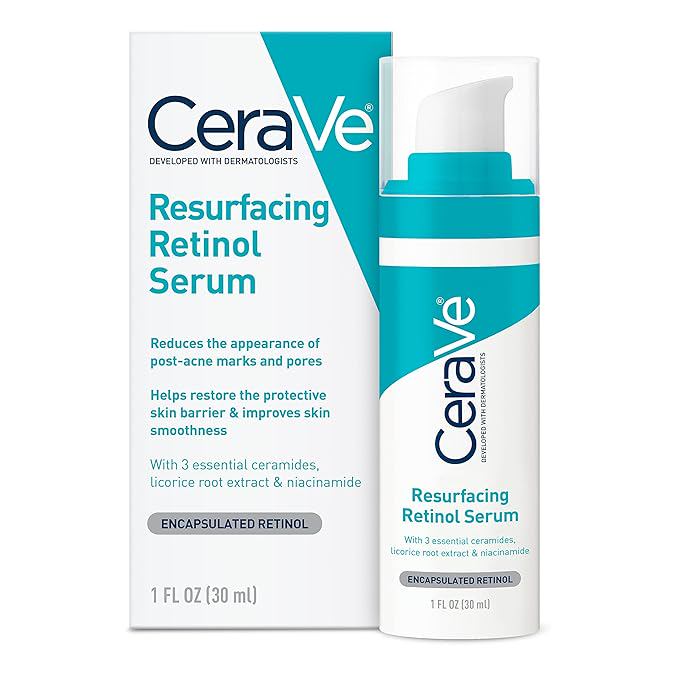
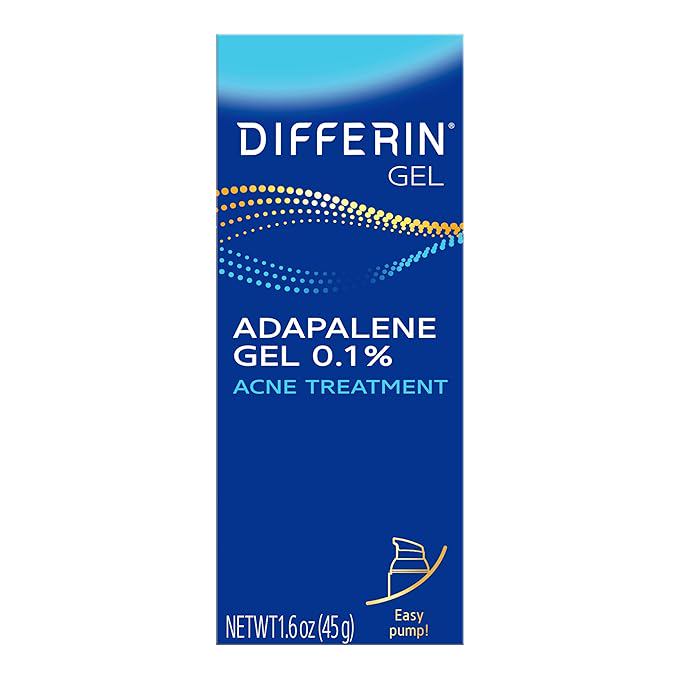
Retinoids are vitamin A derivatives that work deep inside the follicle. Their primary job is to speed up and regulate how skin cells turn over. In acne-prone skin, cells often stick together longer than they should, trapping oil and forming a microcomedone—the invisible precursor to every blackhead and whitehead.
By encouraging the follicle lining to shed at a normal pace, retinoids keep that opening clear. Over time, fewer clogs form, and existing ones often loosen and surface as tiny flakes rather than inflamed bumps. Common examples include adapalene (available over the counter) and tretinoin (prescription). They are slow-acting—visible improvement usually takes 8 to 12 weeks—and irritation is common at first, which is why a pea-sized amount and gradual introduction matter.
Best for: Comedonal acne—blackheads, whiteheads, and the small bumps you can feel under the skin before they turn red.
2. Antimicrobials and antibacterials: They reduce the bacterial load
Once a pore is clogged, the anaerobic bacterium Cutibacterium acnes (formerly Propionibacterium acnes) can multiply rapidly inside that low-oxygen environment. The body’s immune response to that overgrowth is what turns a painless clog into a red, tender papule or pustule.
Antimicrobial agents target that bacterial population directly. Benzoyl peroxide is the most widely used non-prescription option. It works by releasing oxygen into the pore, which kills bacteria on contact and also helps clear away dead cells. Unlike antibiotics, bacteria do not develop resistance to benzoyl peroxide. Prescription topical antibiotics such as clindamycin or erythromycin are also used, but they are typically paired with benzoyl peroxide to minimize resistance risk.
Benzoyl peroxide can bleach fabrics and cause dryness, so it is often applied as a wash (left on for a short time) or a leave-on gel, starting at lower concentrations like 2.5% or 5%.
Best for: Inflamed acne—red papules, pustules, and occasional cysts where bacteria are a clear driver.
3. Hormonal modulators: They address the oil-production signal
Androgens such as testosterone stimulate the sebaceous glands to produce sebum. When levels are out of balance—or when the glands are unusually sensitive to normal levels—oil production spikes, creating the fuel for clogs and bacterial growth.
Hormonal treatments work by reducing that androgen-driven oil signal. For people assigned female at birth, oral contraceptives that contain estrogen and a specific type of progestin can lower circulating androgen levels. Spironolactone, an oral medication, blocks androgen receptors in the skin directly, decreasing sebum output. These options are prescription-only and are typically considered when breakouts follow a hormonal pattern—jawline, chin, and neck—and worsen around the menstrual cycle.
Hormonal modulators are not suitable for everyone and can have side effects, so a thorough medical history is essential before starting them.
Best for: Adult female-pattern acne, especially along the lower face and jaw, and for those who have not responded well to topical treatments alone.
How to combine these categories safely
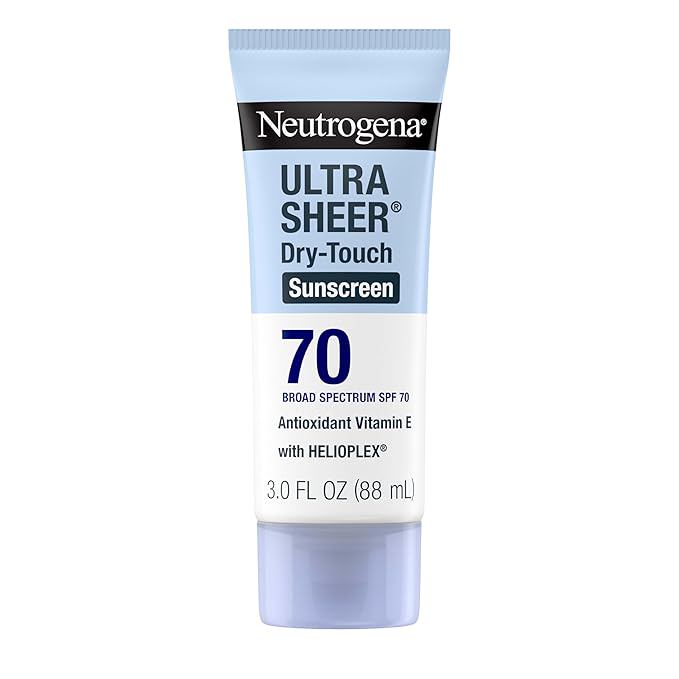
Many effective acne regimens use a layered approach: a retinoid for clog prevention plus a benzoyl peroxide wash for bacterial control, for example. Hormonal medication is often added when those topicals are not enough. The key is to avoid overloading the skin—starting one new product at a time, using gentle cleansers and a basic moisturizer, and applying sunscreen every morning because retinoids and benzoyl peroxide increase sun sensitivity.
There is no universal hierarchy among these three classes. The best choice depends entirely on which kind of acne you have and whether your skin can tolerate the ingredient. A dermatologist or primary care provider can help you decide which category—or which combination—matches your specific pattern.