
Treating breakouts while keeping your skin barrier happy often feels like a tightrope walk. You want the active ingredients to work, but you don't want irritation, peeling, or that dreaded stinging sensation. The good news is that you don't have to choose between clear skin and a healthy complexion. The secret lies in how you layer your products.
Dermatologists and estheticians agree that the order of application matters just as much as the products themselves. Getting the sequence right—and knowing which ingredients to keep apart—can make the difference between a routine that calms breakouts and one that causes more inflammation.
Why layering order matters for acne-prone skin
Acne medications typically work by increasing cell turnover (like retinoids) or by killing bacteria and clearing pores (like benzoyl peroxide or salicylic acid). If you apply a heavy moisturizer or an occlusive sunscreen before these actives, you create a barrier that prevents them from penetrating the skin effectively. Conversely, applying too many strong actives in a row can strip the stratum corneum, leading to transepidermal water loss and a compromised barrier that actually makes acne worse.
The core principle: Thinnest to thickest consistency, while respecting which ingredients play well together. Acids and retinoids typically need direct contact with clean skin, while moisturizers and sunscreen go on top.
The expert-approved step-by-step layering guide
Step 1: Cleanse gently
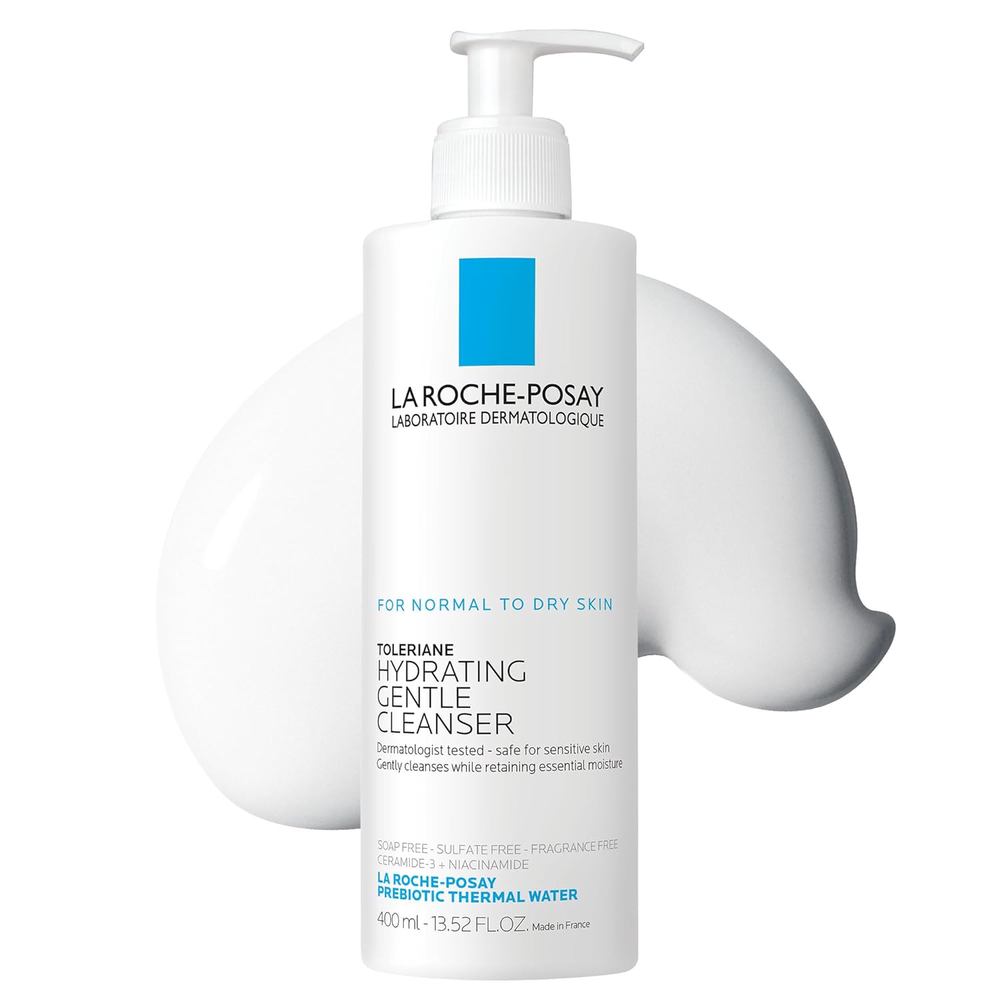
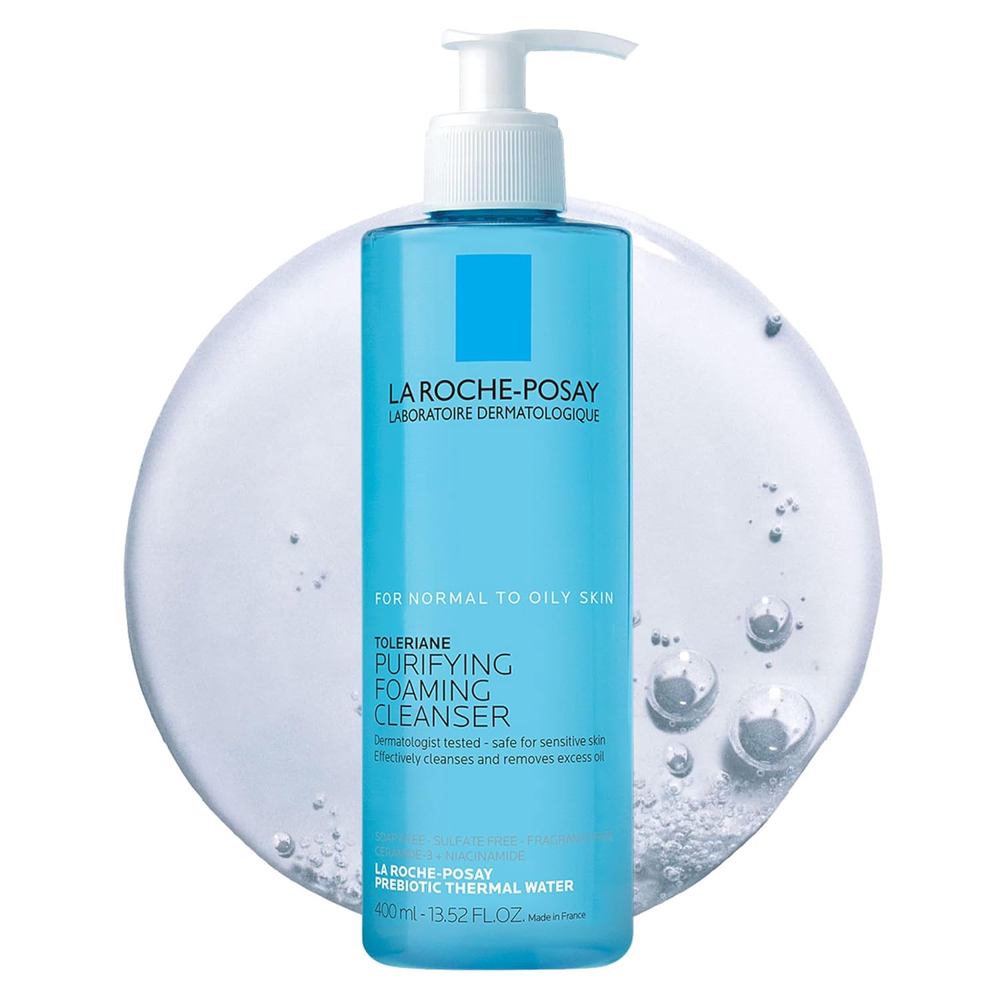
Start with a mild, non-stripping cleanser. Avoid harsh sulfates if your skin is prone to dryness. If you are using a prescription retinoid or benzoyl peroxide, a simple cream or gel cleanser is often better than an exfoliating wash before applying a strong active. Pat dry—do not rub—so your skin is slightly damp but not wet.
Step 2: Apply your treatment medication
This is where your prescription or over-the-counter acne medication goes. Whether it is a retinoid (like tretinoin or adapalene), benzoyl peroxide gel, or a clindamycin lotion, apply a pea-sized amount to clean, dry skin. If your medication is a retinoid, many experts recommend waiting 15 to 20 minutes after cleansing to let the skin dry completely—this reduces the risk of irritation because water can make retinoids penetrate deeper and cause redness.
If you are using benzoyl peroxide or a salicylic acid treatment, you can usually apply it right after drying your skin, but avoid layering another strong active on the same spot.
Step 3: Add a hydrating serum (if needed)
After your medication has dried (about 2–3 minutes), you can layer a lightweight hydrating serum. Look for ingredients like niacinamide, glycerin, or hyaluronic acid. Niacinamide is particularly helpful because it can soothe irritation and support the barrier without interfering with most acne medications. Avoid vitamin C at the same time as benzoyl peroxide (they oxidize each other) and avoid glycolic acid right before a retinoid (too much exfoliation).
Step 4: Moisturize
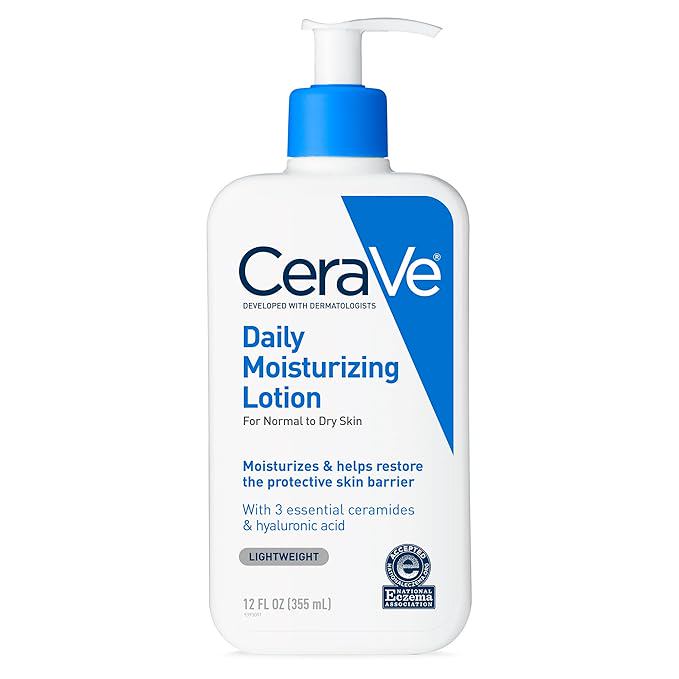
A moisturizer is non-negotiable, even if your skin is oily. Acne medications are drying, and skipping moisture triggers your skin to produce more oil to compensate—leading to more clogged pores. Choose an oil-free, non-comedogenic moisturizer with ceramides or squalane. Apply it after your serum or directly over the medication if you are keeping it minimal.
Pro tip from dermatologists: If your skin feels tight or flaky, use the sandwich method—apply a thin layer of moisturizer before your medication, let it dry, apply the medication, and then finish with another layer of moisturizer. This buffers the active without blocking it entirely.
Step 5: Sunscreen (morning only)
This step is critical. Acne medications—especially retinoids, salicylic acid, and benzoyl peroxide—make your skin more susceptible to UV damage. A broad-spectrum SPF 30 or higher is non-negotiable in the morning. Use a lightweight, oil-free formula. In the evening, you skip this step and end with your moisturizer.
Which ingredients should you never mix?
Some combinations cancel each other out or cause irritation. Here is what to separate:
- Benzoyl peroxide and retinoids: Using them together can oxidize the retinoid, reducing its efficacy. Use benzoyl peroxide in the morning and retinoids at night, or alternate nights.
- Vitamin C and benzoyl peroxide: These neutralize each other. Keep vitamin C in the AM and benzoyl peroxide in the PM.
- AHAs/BHAs and retinoids: Too much exfoliation. Do not use glycolic acid and tretinoin in the same session. Use acids in the morning or on alternate nights.
- Multiple spot treatments: Do not layer a salicylic acid gel directly over a benzoyl peroxide cream on the same spot—pick one potent active per area.
Morning versus evening: two sample routines
Here is how a basic day might look for someone using a prescription retinoid at night and benzoyl peroxide in the morning:
Morning (AM):
Gentle cleanser → Benzoyl peroxide wash or leave-on gel (if using a wash, rinse; if gel, apply thin layer) → Niacinamide serum → Lightweight moisturizer → SPF 30+ sunscreen
Evening (PM):
Oil-based cleanser (if wearing makeup/sunscreen) → Gentle cleanser → Wait 15 minutes → Retinoid (pea-size) → Wait 2 minutes → Ceramide moisturizer
If you are using a leave-on salicylic acid treatment, use it in the morning and skip the benzoyl peroxide that day, or use it on alternate nights from your retinoid.
Signs your layering is off
Even with perfect product choices, the wrong layering can cause problems. Look for these red flags:
- Persistent redness, stinging, or a tight feeling within minutes of applying moisturizer (this can indicate a damaged barrier).
- New breakouts around the jawline or cheeks that look like small, red bumps—this can be irritation acne, not clogged pores.
- Peeling or flaking that does not improve after using a gentle moisturizer for a week.
If you notice any of these, simplify your routine for a few days: cleanse, moisturize, and sunscreen only. Then reintroduce medications one at a time.
When to see a dermatologist
If your acne is moderate to severe—painful cysts, deep nodules, or widespread inflammation—over-the-counter layering tricks can only go so far. A board-certified dermatologist can prescribe combination therapies (like a topical antibiotic plus a retinoid) that are designed to work together in a single formulation, removing the guesswork. They can also adjust the strength of your medication if irritation persists.
Layering acne medication into your skincare routine is a skill, not a guessing game. With the right sequence—medication first, then hydration, then protection—you can treat breakouts effectively without sacrificing comfort.