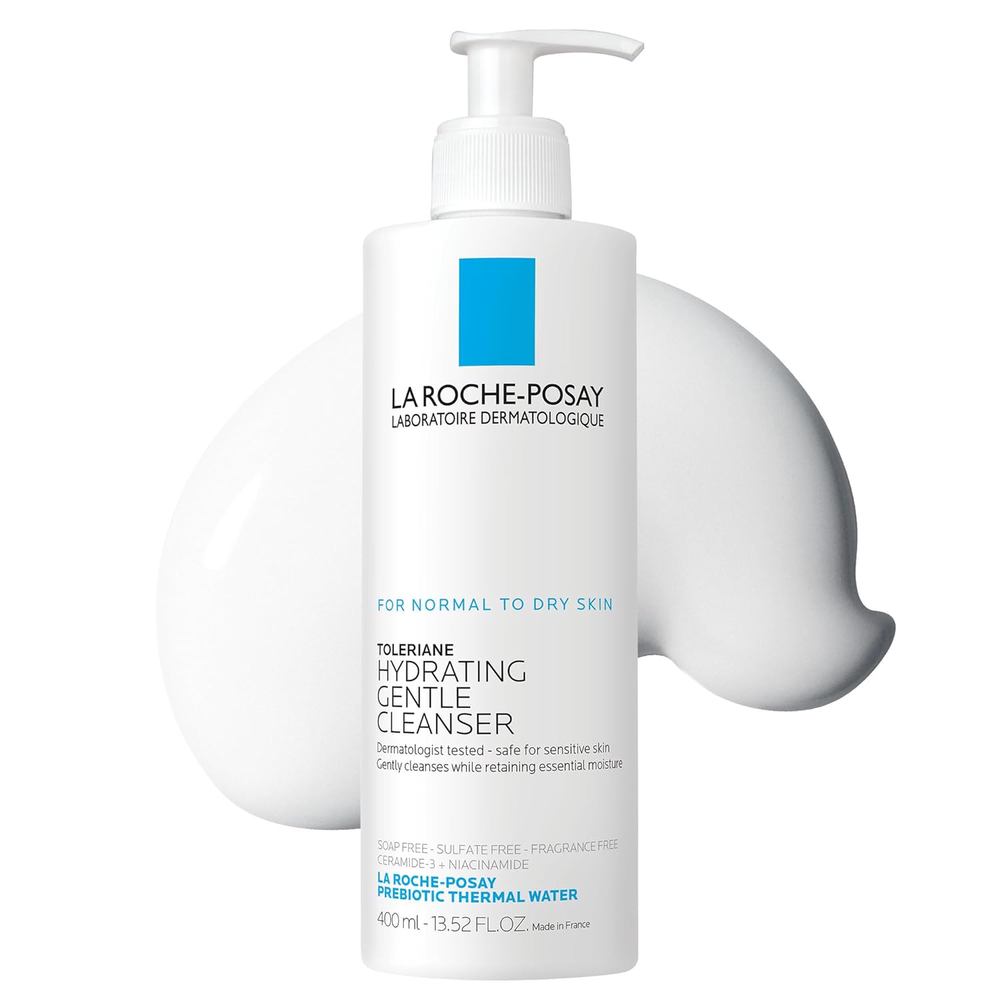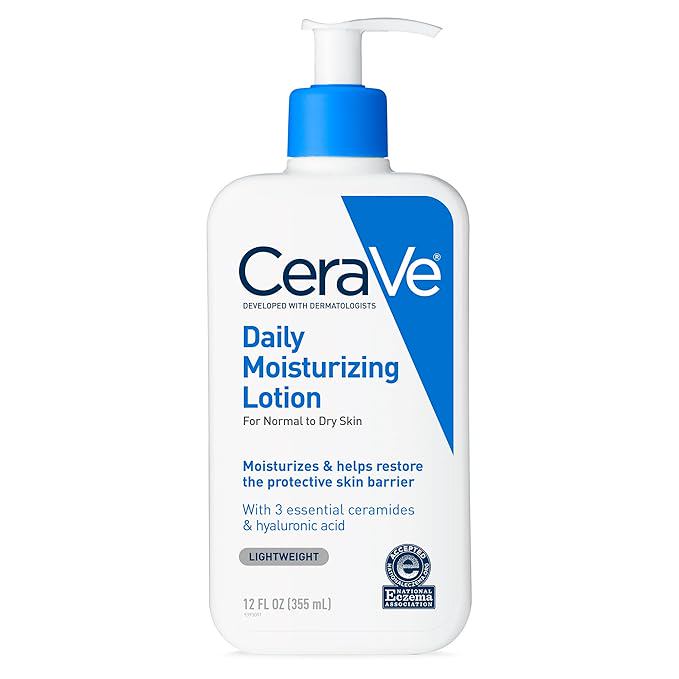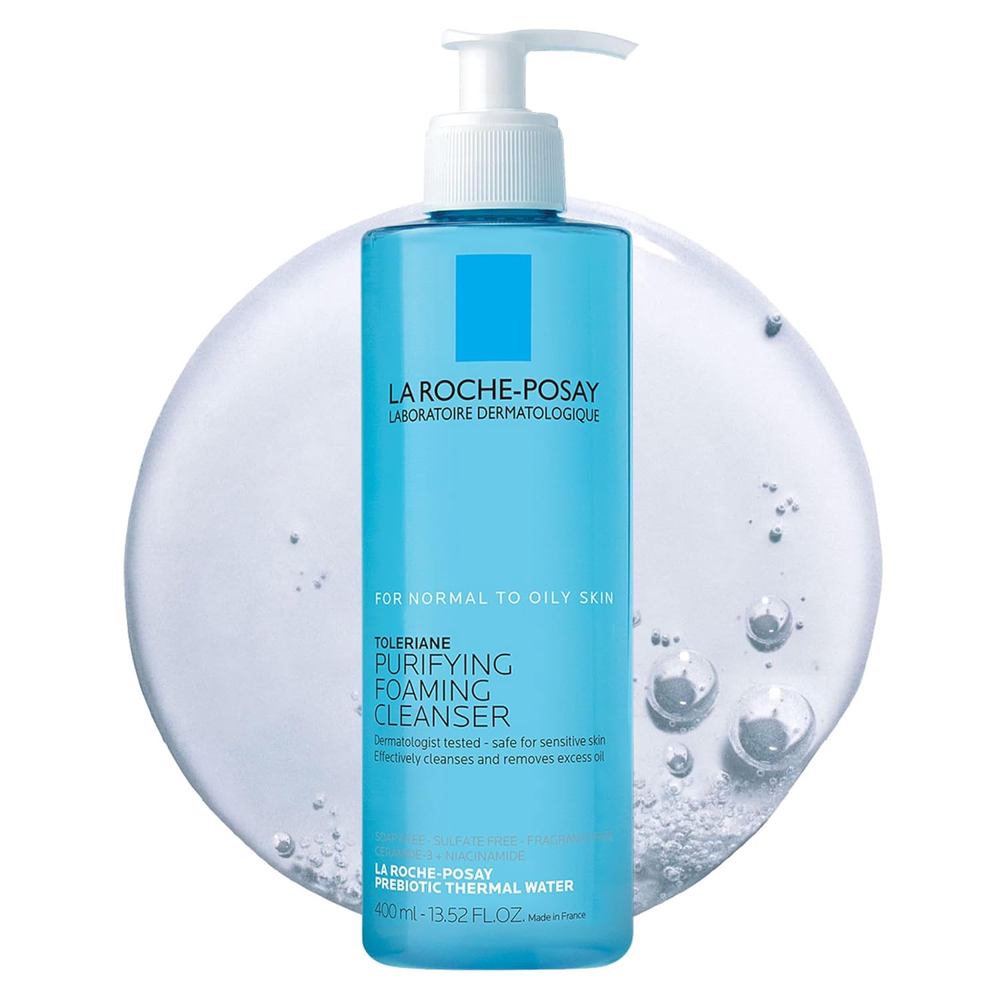

You've found a topical acne treatment that finally seems to work. Maybe it's a prescription retinoid, a benzoyl peroxide gel, or a salicylic acid serum. You apply it nightly, expecting clear skin. Yet, weeks later, you're still dealing with breakouts. The product itself might be fine. The problem is often in the small, daily habits that quietly sabotage its effectiveness.
Topical treatments are powerful, but they are also sensitive to what you put on your skin before and after them. A few common routines can turn an effective formula into a wasted effort. Here are three habits to watch for, and what to do instead.
1. Layering your treatment under a heavy moisturizer
It seems logical to lock in active ingredients with a rich cream. But that logic backfires with many acne treatments. Heavy moisturizers, especially those containing petrolatum, mineral oil, or shea butter, can create a occlusive barrier. This barrier can prevent your treatment from absorbing properly, trapping it on the surface where it can cause irritation without penetrating the pore.
Instead, apply your treatment to clean, dry skin first. Wait at least 15 to 20 minutes for it to dry down. Then, follow with a lightweight, oil-free, non-comedogenic moisturizer. The goal is hydration without interference. If you must use a thicker cream, only dot it on the driest parts of your face, avoiding the areas where you just applied treatment.
2. Spot-treating your whole face
This habit is incredibly common: you put a dab of a strong spot treatment on every visible bump. The problem is that spot treatments are designed for isolated, inflamed pimples. They are often formulated with high concentrations of drying agents like sulfur or benzoyl peroxide. Applying them across a large area doesn't prevent pimples; it disrupts your skin barrier, leading to redness, peeling, and increased sensitivity.
A damaged skin barrier then becomes more reactive. Your treatment, instead of fighting acne, now has to contend with irritated, compromised skin. For prevention, use leave-on treatments (like a retinol or salicylic acid serum) all over the affected area as directed. Reserve the high-concentration spot gel only for the specific pimple that needs it. Less is genuinely more here.
A quick skin-barrier check: If your skin feels tight, looks excessively shiny, or stings when you apply your moisturizer, you may be over-treating. Back off to every other night until your skin normalizes.
3. Using harsh physical scrubs right after applying treatment
Exfoliation sounds like a good idea, but timing matters enormously. If you use a grainy scrub, a cleansing brush, or a harsh chemical peel too soon after applying a retinoid or benzoyl peroxide, you risk stripping the stratum corneum. This can cause immediate irritation and, counterintuitively, makes your skin less able to respond to the treatment over time.
Your topical acne treatment already increases cell turnover. Adding aggressive physical scrubbing on top of that is like using sandpaper on sunburn. It removes the top layer of skin that is already being shed, creating micro-tears and inflammation. Stick to gentle, non-abrasive cleansing. If you need physical exfoliation, do it in the morning, well before your nighttime treatment. A soft washcloth with a gentle cleanser is all you need.
When these three habits are corrected, your treatment can work the way it was designed to. The result is not just fewer breakouts, but healthier, calmer skin overall. If you have tried these adjustments and still see no improvement, it may be time to talk to a dermatologist about your specific skin type and treatment plan.