
Starting a medication for acne often brings high hopes—and a lot of questions about what else you should (or shouldn’t) put on your face. The common instinct is to double down on harsh cleansers, exfoliating acids, and drying lotions to “help the medicine work faster.” But dermatologists say that’s exactly the wrong move. In fact, the single most important change you can make when using prescription acne treatments is to pare your routine back to the gentlest basics.
Your skin is already working hard to adjust to an active ingredient—whether that’s a topical retinoid, an antibiotic, or something like spironolactone. Adding aggressive products doesn’t boost the effect; it invites irritation, dryness, and a damaged barrier that makes breakouts worse. Here is the practical, dermatologist-backed framework for building a supportive, gentle routine that works with your medication, not against it.
Why “gentle” matters more during acne treatment
When you apply a prescription acne medication, its job is to speed up cell turnover, kill bacteria, or reduce oil production. This is a controlled stress on the skin. If you layer an exfoliating toner, a physical scrub, or even a foaming cleanser with sulfates on top, you’re doubling that stress. The result: redness, stinging, peeling, and a compromised moisture barrier. Breakouts get worse because irritated skin is more inflamed and less able to heal.
Doctors emphasize that the goal of a supportive routine is to buffer the medication, keep the skin calm, and simply provide the basics: cleanse, moisturize, and protect from the sun. Nothing more.
The three core steps (and nothing else)
Step one: A non-stripping cleanser
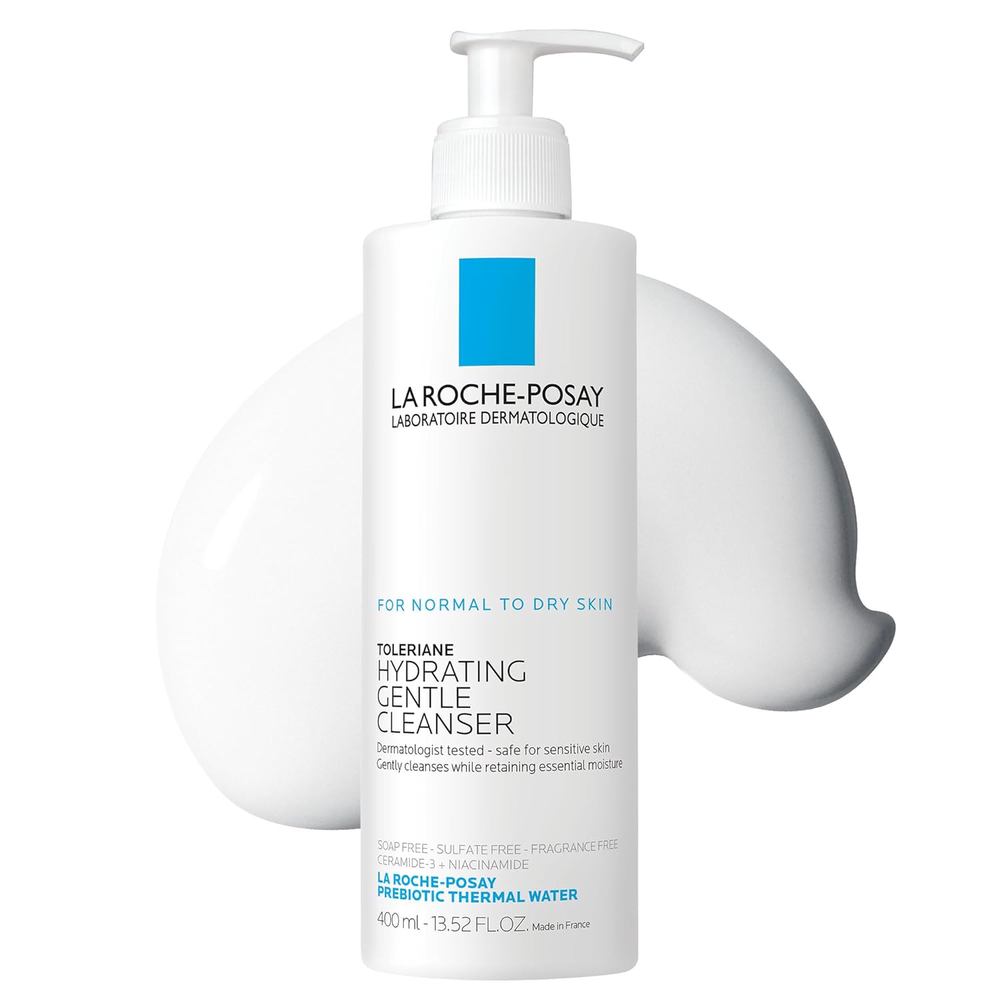
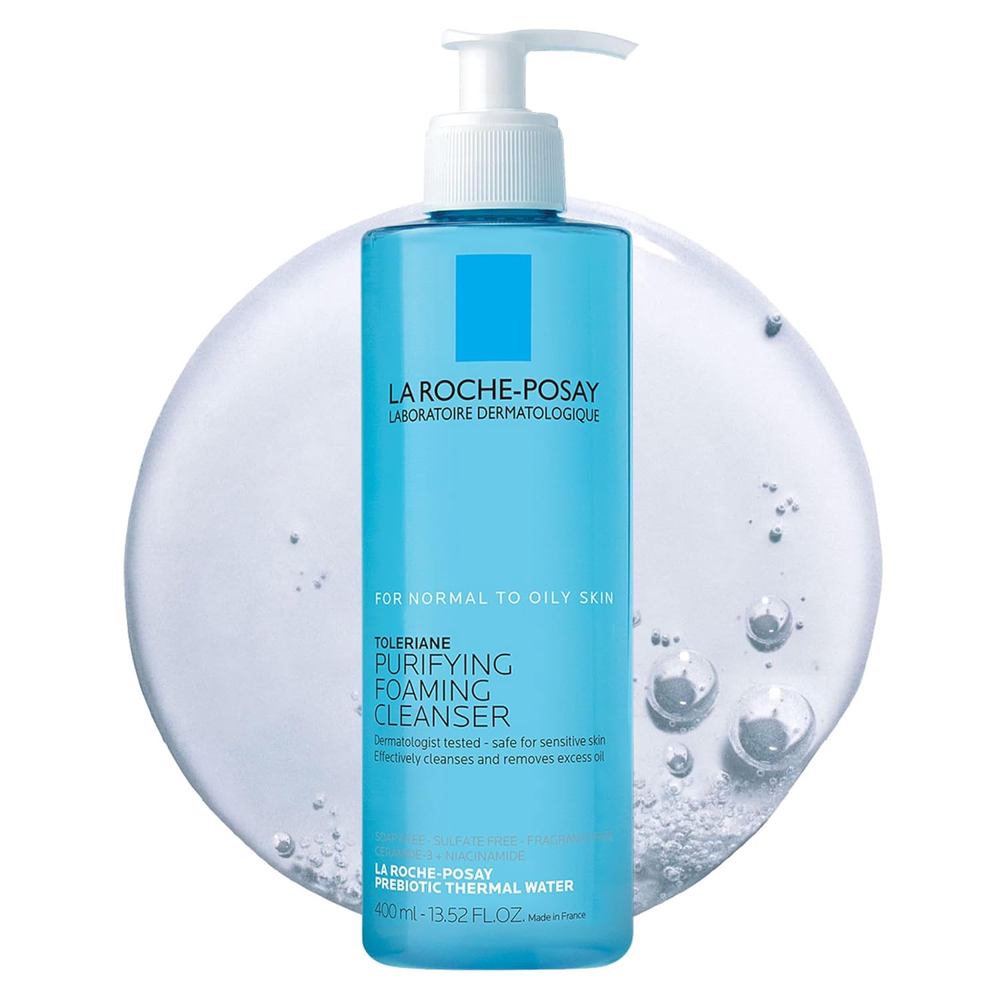
Ditch the foaming scrubs, charcoal washes, and anything that feels “squeaky clean.” For a face on medication, that sensation means your protective oils have been stripped away. Look for a cleanser labeled “non-comedogenic,” fragrance-free, and ideally formulated with glycerin or ceramides. Creamy or gel-cream textures are your friends. Wash gently with lukewarm water—no scrubbing, no hot water.
Step two: A barrier-supporting moisturizer
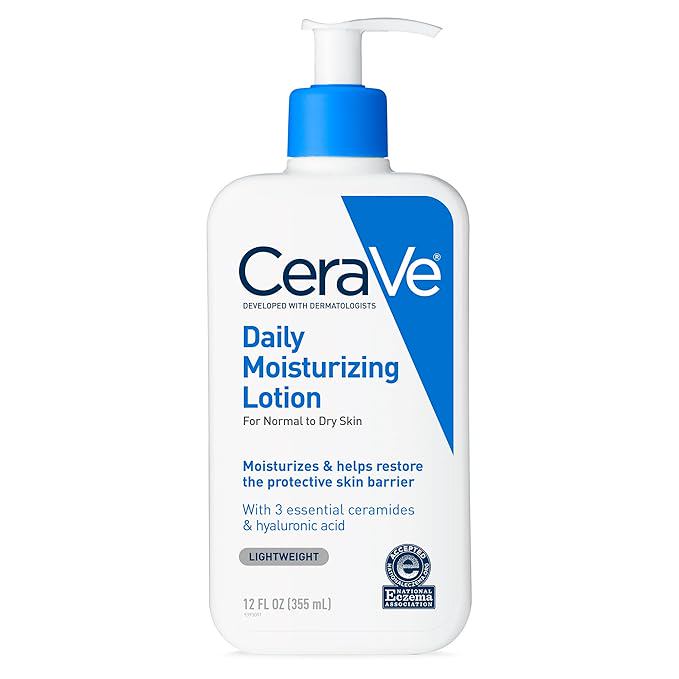
This step is non-negotiable, even if your skin feels oily. Retinoids and other acne drugs will naturally dry you out. A simple, fragrance-free moisturizer with ingredients like niacinamide, squalane, or ceramides will help maintain the lipid barrier. Apply it to damp skin right after cleansing to lock in hydration. If your medication is drying, use the “sandwich method”: a thin layer of moisturizer, then the medication, then another thin layer on top.
Step three: Sunscreen—every single morning
Many acne medications make your skin extremely photosensitive. Sun exposure during treatment can cause hyperpigmentation, sunburn, and slower healing. A broad-spectrum mineral sunscreen (zinc oxide or titanium dioxide) is often the most comfortable choice because it’s less likely to sting. Aim for SPF 30 or higher, and apply it as the last step in your morning routine, after moisturizer. Yes, even if you’re indoors most of the day—UVA rays pass through windows.
When to apply your medicine (timing matters)
The order you apply products can make or break your skin’s tolerance. A general framework from dermatologists looks like this:
- Morning: lukewarm water rinse (no cleanser unless you’re sweaty) → moisturizer → sunscreen → makeup (if any). Most prescription medications are applied at night.
- Evening: gentle cleanser → (optional wait 10–20 minutes for face to be fully dry) → acne medication → moisturizer. The waiting period reduces irritation from retinoids.
Some medications, like clindamycin, are applied twice daily—always follow your prescriber’s instructions above any general rule.
What to avoid when using acne medication
Your routine should be a protective bubble. Anything that punches holes in that bubble needs to go:
- Exfoliating acids (AHAs, BHAs, salicylic acid): Even low concentrations can compound irritation. Stop all chemical exfoliants until your provider says it’s safe to reintroduce them.
- Physical scrubs, face brushes, and cleansing tools: The physical friction with an active medication is a recipe for broken capillaries and a stripped barrier.
- Alcohol-based toners and astringents: They dry out the skin’s surface and cancel out the hydrating work of your moisturizer.
- Multiple active ingredients in one day: Don’t add benzoyl peroxide, vitamin C, or retinol on top of a prescription without explicit doctor approval. Drug interactions and cumulative irritation are real.
A simple rule of thumb: if a product makes your skin burn, tingle, or feel tight, stop using it. Your face should feel comfortable, not “purified.”
Building back slowly—if you need to add anything
Once your skin has fully adjusted to the medication (usually after 4–8 weeks), you may be able to add one extra product. But the rule is one thing at a time. For example, if you want to use a gentle vitamin C serum in the morning for pigmentation, introduce it three times a week and monitor. No other changes for two weeks. This way, if irritation occurs, you know exactly what caused it.
Most dermatologists advise keeping your routine at the three core items for the first three months of any new acne medication. That window gives your skin enough time to show real results from the prescription without confusion from other products.
Signs your routine needs professional adjustment
Even with the gentlest routine, you might experience some initial dryness, flaking, or purging. But these warning signs mean it’s time to call your doctor:
- Pain, swelling, or blistering
- Widespread rash (not just a few pimples)
- Skin that cracks or weeps
- Breakouts that get significantly worse after two weeks
Your provider may lower the dose, change the vehicle (cream vs. gel), or recommend a different moisturizer. Never push through significant pain—adjustments are normal.
The bottom line on building your routine
Effective acne treatment isn’t about using more products—it’s about using the right ones in the right way. The mildest, most predictable routine is what helps a prescription medication do its best work. Cleanse gently, moisturize generously, and protect from the sun. When in doubt, go back to those three pillars and consult your dermatologist before adding anything.