
You’ve been careful with your routine. You’re using the right cleanser, moisturizing, and even staying hydrated. Then, out of nowhere, your skin erupts. It’s frustrating, confusing, and, if you’re honest, a little demoralizing. Why does this keep happening?
Acne flare-ups aren't random acts of skin rebellion. They are almost always a reaction to a specific combination of internal and external factors. Understanding these triggers is the first step toward gaining real control—not just over your skin, but over the frustration that comes with it. This guide breaks down the most common causes of adult acne breakouts and offers practical, no-nonsense fixes you can start using today.
The biology of a breakout: what’s actually happening
Before we talk about triggers, it helps to know what a “flare-up” really is. Inside your pores are sebaceous glands that produce oil (sebum). When a pore gets clogged with a mix of excess oil, dead skin cells, and bacteria (Cutibacterium acnes), the immune system steps in. This creates the redness, swelling, and pus you see as a pimple.
So a flare-up isn't the start—it’s the middle of the story. Something had to tip the balance to cause that overproduction of oil or that buildup of dead skin. That “something” is your trigger.
The most common triggers (and what to do about them)
1. Hormonal shifts (especially in adults)
For many people, especially women, acne is a hormonal condition. Fluctuations in estrogen, progesterone, and testosterone can send your oil glands into overdrive. This is why breakouts often appear right before your period, during pregnancy, perimenopause, or after starting or stopping birth control. Stress also increases cortisol, which can mimic a hormonal trigger.
The fix: You can’t turn off your hormones, but you can help your skin adapt. Speak with a dermatologist about whether a topical retinoid or a low-dose spironolactone prescription might be appropriate for you. At home, look for a salicylic acid cleanser to use a few times a week during that pre-menstrual window. It helps keep pores clear when your skin is most oily.
2. Your “clean” skincare routine (yes, really)
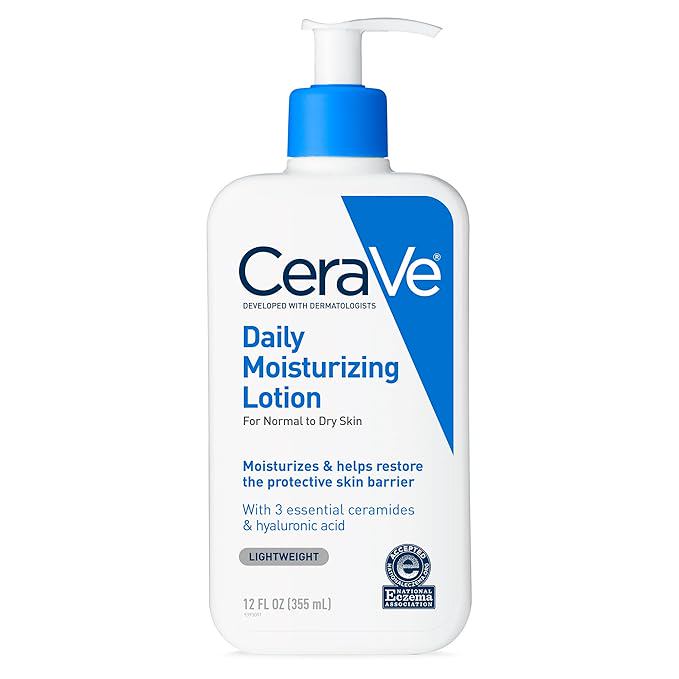
This one is sneaky. You might be layering products that are actually causing the problem. Heavy creams, silicone-based primers, and oil-based makeup can trap debris in the pores. Similarly, over-washing or using harsh scrubs strips the skin barrier, causing it to produce even more oil to compensate.
The fix: Stick to a simple routine: a gentle cleanser (avoid sulfates if your skin is dry), a non-comedogenic moisturizer, and a targeted treatment. Introduce only one new product at a time, and wait at least two weeks before judging results. If you use foundation, choose a powder over a liquid—it absorbs oil instead of adding to it.
Quick rule of thumb: If your face feels tight or “squeaky” after washing, you’ve gone too far. Your skin should feel clean, not stripped.
3. Diet: the dairy and sugar connection
Research shows a consistent link between high-glycemic foods (white bread, sugary drinks, chips) and acne severity. These foods cause a rapid spike in insulin, which triggers the skin to produce more oil. Dairy—especially skim milk—is another common culprit, likely due to the hormones present in milk that interact with your own.
The fix: Try a 30-day elimination experiment. Cut out obvious sugar sources and swap cow’s milk for unsweetened oat or almond milk. Keep a simple food diary alongside your skin diary. If you see a pattern (e.g., always breakout two days after pizza + soda), you’ve found your trigger. Don’t try to eliminate everything at once; target one group at a time.
4. Hidden irritants: hair products, phone screens, and pillowcases
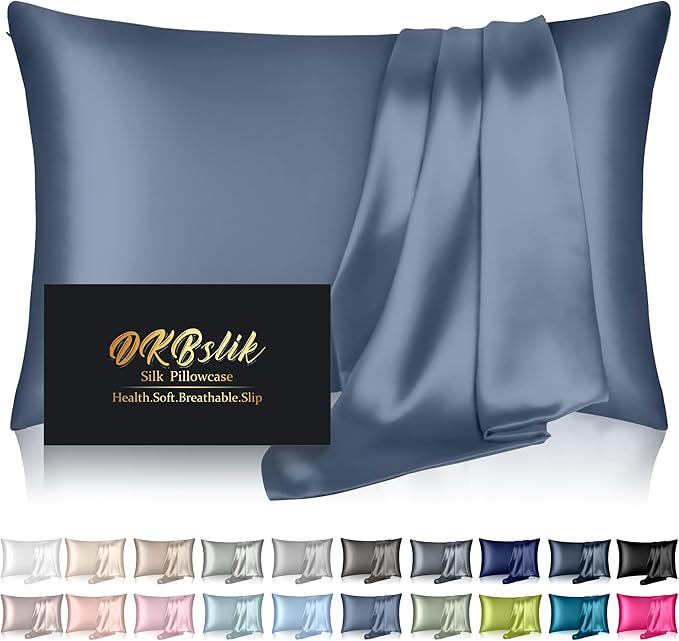
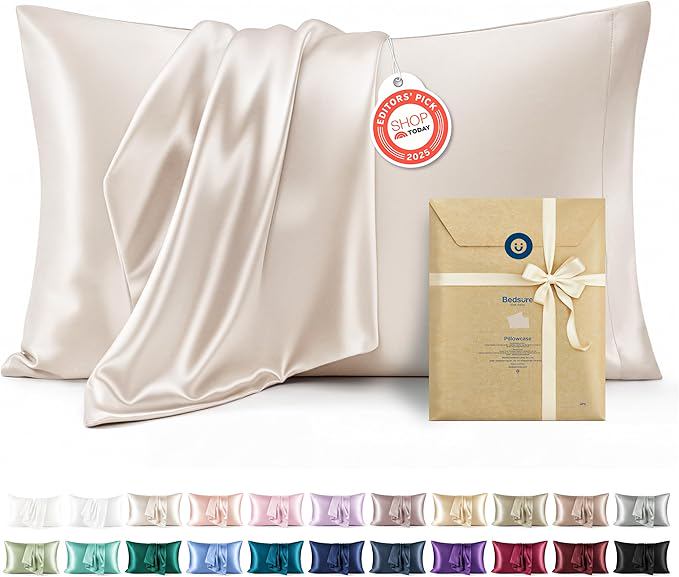
Acne is mechanical. Anything that touches your face regularly can clog pores. Hair products—especially dry shampoos and heavy conditioners—are a major hidden cause. They transfer to your pillowcase, then to your face while you sleep. Same goes for your phone screen (oil and bacteria transfer) and your scarf or mask strap.
The fix: Change your pillowcase every 2–3 days. Use a silk or satin case if possible—it absorbs less product and creates less friction. Wipe your phone screen with an alcohol-free antibacterial wipe daily. Wear your hair away from your face at night, and tie it up before applying hair sprays or oils.
5. Environmental factors: humidity, pollution, and UV
High humidity can make your skin produce more oil. Air pollution particles stick to that oil and trap it in the pore. Sun exposure, despite the temporary drying effect, actually thickens the outer layer of skin, making it harder for oil to escape. A few days after a sunburn, breakouts often appear.
The fix: Wear a lightweight, non-comedogenic SPF 30+ every single day—even in winter. In humid weather, use a mattifying primer or a translucent powder to keep oil in check. Consider a gentle exfoliating toner (like polyhydroxy acids or PHAs) a couple times a week to slough off pollution residue without stripping.
How to identify YOUR specific triggers
General lists are helpful, but the only list that matters is yours. Here’s a systematic way to find your personal pattern:
- Start a skin diary: For two weeks, note what you ate, what skincare products you used, where you were in your cycle, your stress level (1–10), and how much sleep you got. Also rate your skin each morning (clear, few spots, flare-up).
- Look for 2-day delays: Many triggers—especially diet and stress—don’t cause a pimple the same day. Often, it takes 48–72 hours for a pore to clog and then become inflamed. So if you ate sugar on Monday and broke out on Wednesday, you might have found a link.
- Change one variable at a time: Don’t try changing your diet, your pillowcases, and your moisturizer all in the same week. You’ll have no idea what worked. Test one change for a week or two, measure the result, then move on.
When to stop guessing and see a professional
There comes a point where DIY management isn’t enough. If you have painful cysts, if the acne is leaving dark spots or scars, or if you’ve tried consistent changes for three months without improvement, it’s time to see a board-certified dermatologist. They can prescribe treatments—like oral antibiotics, topical retinoids, or isotretinoin—that work on inflammation and bacteria in ways that over-the-counter products cannot.
Important: This article is for educational purposes only. It does not replace medical advice. Always consult a healthcare provider before starting a new treatment.
The big picture: patience is part of the process
Here’s the truth no one tells you: acne treatment is slow. A pimple takes about 8–12 weeks to form beneath the skin. So when you start a new routine or cut out a trigger, you likely won’t see results for at least a month. That’s normal. The goal isn’t perfection—it’s reduction and management. Even a 50% improvement in fewer breakouts is a major win for your skin’s health and your quality of life.
You don’t have to eliminate every trigger overnight. Start with one or two that feel most relevant to you. Change your pillowcases this week. Swap your morning latte for an iced oat milk version. Write down what you notice. You are your own best expert on your skin—you just need to become a better detective.