You don't need a shelf of neon powders to fuel a good workout. For anyone just starting a strength-training routine, the question of what to eat beforehand can feel surprisingly complicated. Between conflicting advice and expensive marketing, it’s easy to overthink a simple thing.
One of the most effective, beginner-friendly pre-workout combinations is already sitting in your kitchen: a banana and a cup of coffee. Here is why this pairing works, how it supports your body during resistance training, and how to time it so you feel energized—not jittery.
What makes the banana and coffee duo work?
Each component serves a distinct, complementary purpose. Together, they address two basic needs for a weight workout: quick energy and mental focus.
Banana: fast-digesting carbohydrates
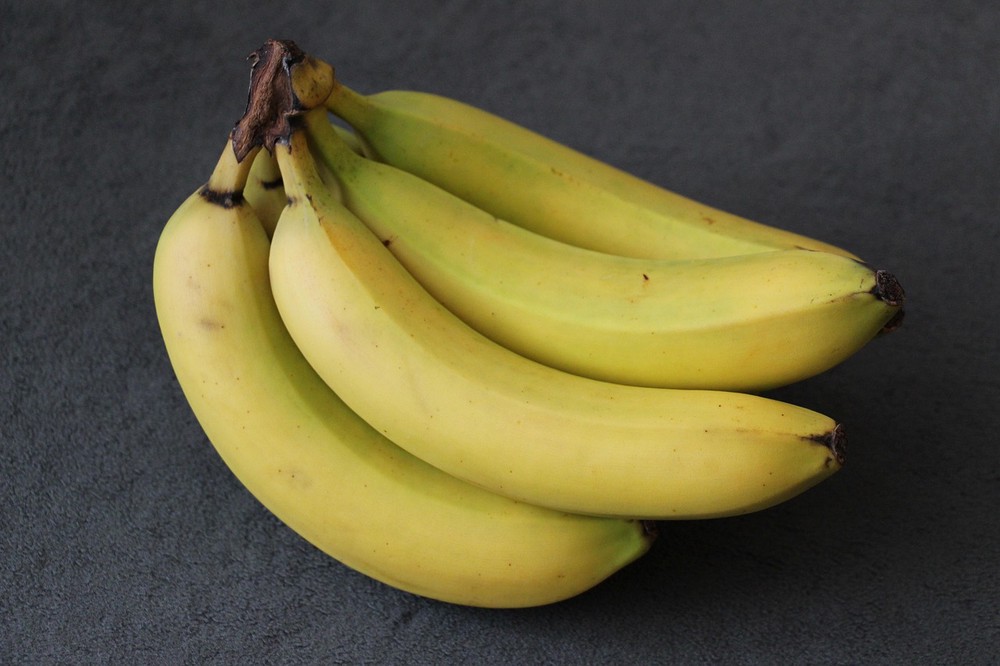
A medium banana provides about 27 grams of carbohydrates, mostly in the form of natural sugars (glucose, fructose, and sucrose) plus a small amount of fiber. This matters because strength training relies heavily on glycogen—stored carbs—for short, powerful bursts of effort like a set of squats or dumbbell presses.
The banana’s sugars are rapidly absorbed, topping off your liver and muscle glycogen just before you lift. It also contains potassium and magnesium, two electrolytes lost through sweat that support muscle contraction and help reduce the risk of cramping mid-workout.
Coffee: a measured dose of caffeine
Caffeine is one of the most researched performance aids available. It works primarily by blocking adenosine receptors in the brain, which reduces the perception of effort and fatigue. For a beginner lifting weights, this can translate into one or two extra reps per set, or simply feeling less inclined to quit early.
A single 8-ounce cup of black coffee (roughly 80–100 mg of caffeine) provides a noticeable boost without the overstimulation that high-dose pre-workout powders can cause. The effect peaks about 45–60 minutes after drinking it, which aligns neatly with a session if you time it right.
How to time this pre-workout snack
Timing matters, but it doesn’t need to be obsessive. The goal is to have the banana fully or mostly digested and the caffeine circulating by the time you pick up a barbell.
- 30–60 minutes before your workout: Eat one medium banana and drink one cup of black coffee. If you are sensitive to caffeine or have a history of anxiety, start with half a cup or a smaller banana.
- If you tend toward stomach upset: Eat the banana about 45 minutes before and drink the coffee 15 minutes later. This spaces out the digestion slightly and may reduce acid reflux during exercise.
- On days you feel low on energy: You can add a small handful of nuts (about 10 almonds) to the banana for a bit of fat and protein, which slows digestion slightly and provides longer-lasting satiety—though this may delay absorption slightly, so test it on a lighter workout first.
A practical reminder: Drink water alongside your coffee. Caffeine has a mild diuretic effect, and you are already losing fluid through sweat. Even mild dehydration can impair strength output and make the workout feel harder than it is. Sip 8–12 ounces of water in the hour before you train.
Who should be cautious with this combo
For most beginners, banana and coffee is gentle and effective. But it is not a universal prescription. If any of the following apply, adjust accordingly, or speak with a healthcare provider before making it a routine.
- Caffeine sensitivity: Some people metabolize caffeine slowly or experience palpitations, anxiety, or digestive upset even from a single cup. If you know you are sensitive, try half a cup (or 50 mg caffeine) first, or rely solely on the banana for energy.
- Acid reflux or GERD: Coffee can relax the lower esophageal sphincter, making reflux more likely during bending or core-intensive exercises. A smaller cup, a lower-acid coffee, or eating a banana first may help buffer the acidity.
- High blood pressure: Caffeine can cause a temporary spike in blood pressure. If you have hypertension or are on medication, ask your doctor whether a small amount of caffeine is safe before exercise.
- Fasting or early-morning workouts: If you train first thing on an empty stomach, adding a banana may be a major improvement in performance and energy. But if you are used to fasted training, start with half a banana and a few sips of coffee to see how your stomach handles the sudden fuel.
A practical comparison to commercial pre-workouts
Many pre-workout powders contain 150–300 mg of caffeine per scoop, plus beta-alanine (which causes a harmless tingling sensation), citrulline malate, and artificial sweeteners. For a beginner, these ingredients can be overwhelming. The banana-and-coffee approach offers several advantages:
- Cost: It is a fraction of the price per serving.
- Transparency: Whole foods have no proprietary blends or hidden stimulants.
- Adjustability: You can easily scale the dose of caffeine or carbohydrates up or down based on how you feel.
- Gut tolerance: Many people report less bloating and discomfort compared to synthetic powders.
That said, commercial pre-workouts are not inherently bad. Some advanced lifters benefit from the nitric oxide boosters and higher caffeine doses. But as a first step into strength training, the simple whole-food option is often a smarter, more sustainable choice.
What about timing on rest days?
You do not need this combo on days you are not training. In fact, consuming carbohydrates around rest periods can lead to unnecessary calorie surplus if total daily intake is not matched to activity level. Coffee on rest days is fine if you enjoy it, but the banana is best reserved for fueling movement.