When stress hits, your skin often shows it. Cortisol, the body's primary stress hormone, can trigger a cascade of effects that increase oil production and inflammation, often leading to breakouts. While a good skincare routine helps, what you put on your plate plays a surprisingly direct role in how your skin responds to stress.
Dietitians who specialize in skin health point to specific foods that lower oxidative stress, stabilize blood sugar, and calm inflammation—each of which can quiet the stress-acne connection. Here are the foods and eating strategies they recommend most often.
How stress triggers acne
Understanding the biology makes the food choices clearer. When you're under pressure, your adrenal glands release cortisol. This hormone ramps up sebum (oil) production in your skin's sebaceous glands. At the same time, stress can disrupt your gut microbiome and increase systemic inflammation. The result: pores become clogged more easily, and existing blemishes can become redder and more swollen.
Dietitians note that eating to counteract these effects means focusing on three actions: stabilizing blood sugar, reducing inflammation, and supporting the gut-skin axis.
Foods that help calm stress-induced breakouts
Omega-3-rich fish
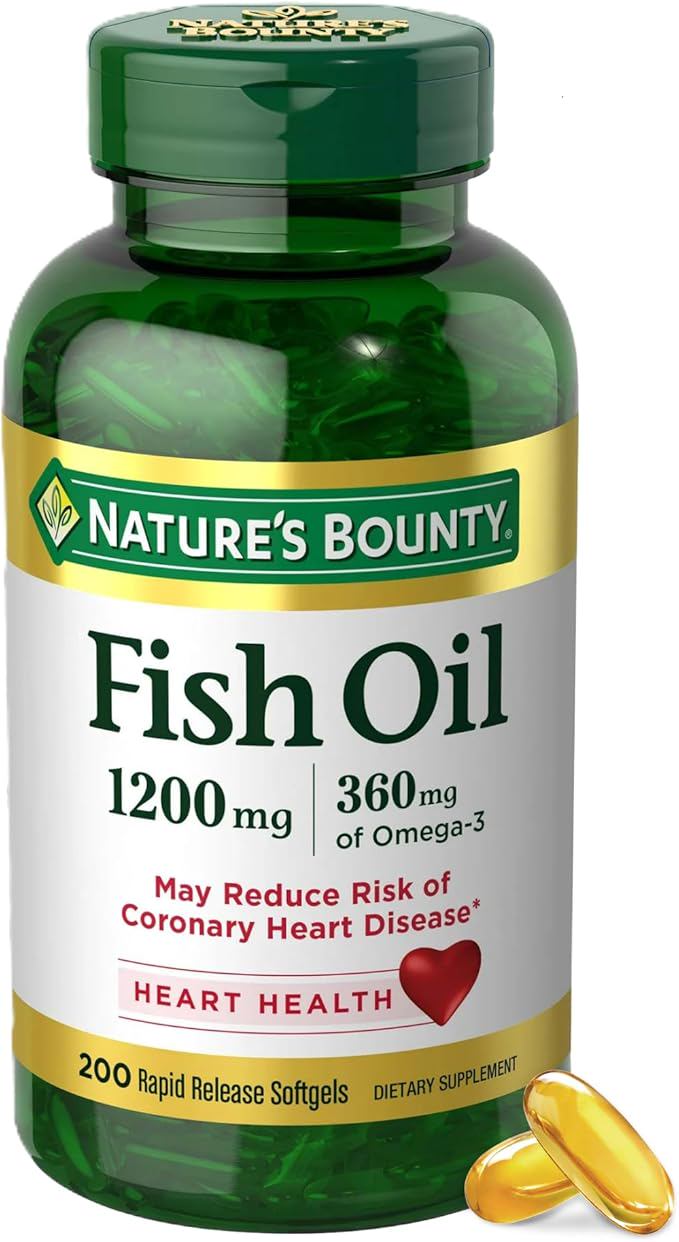
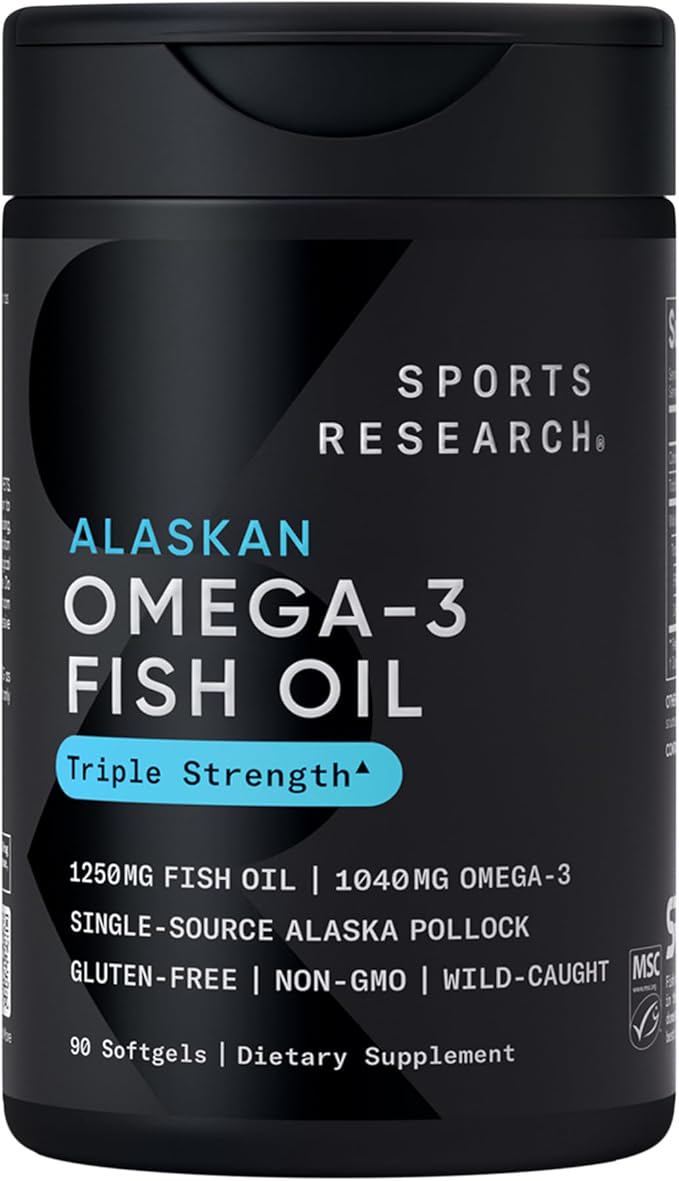
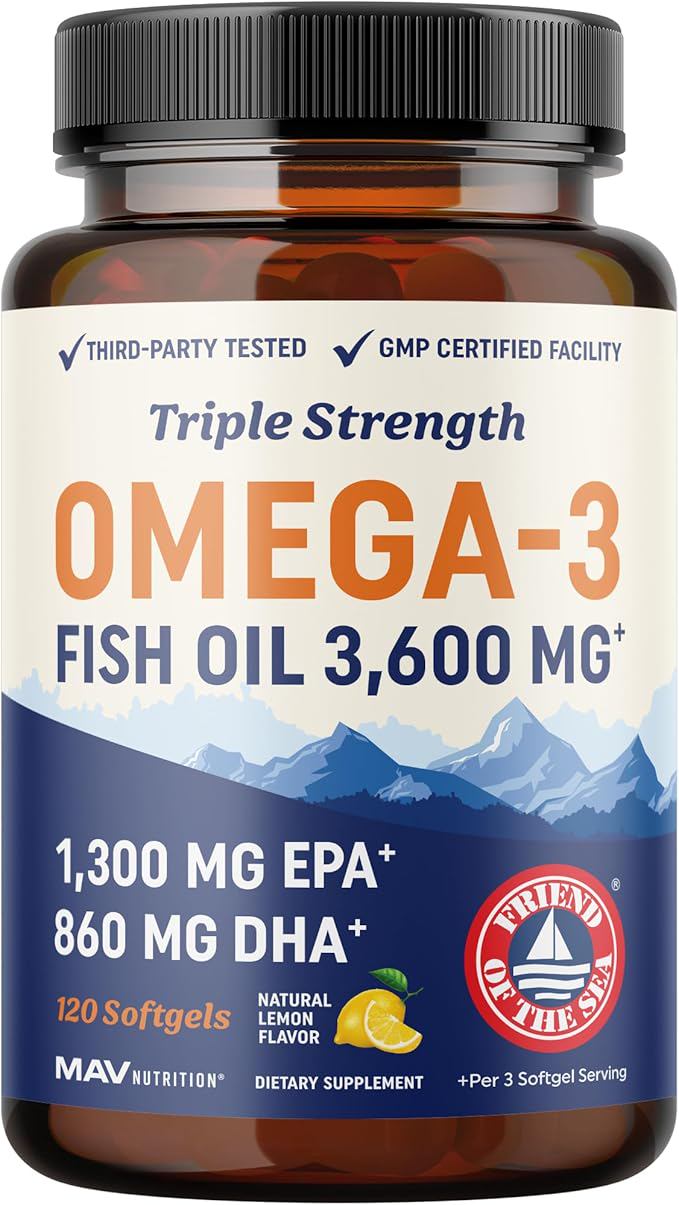
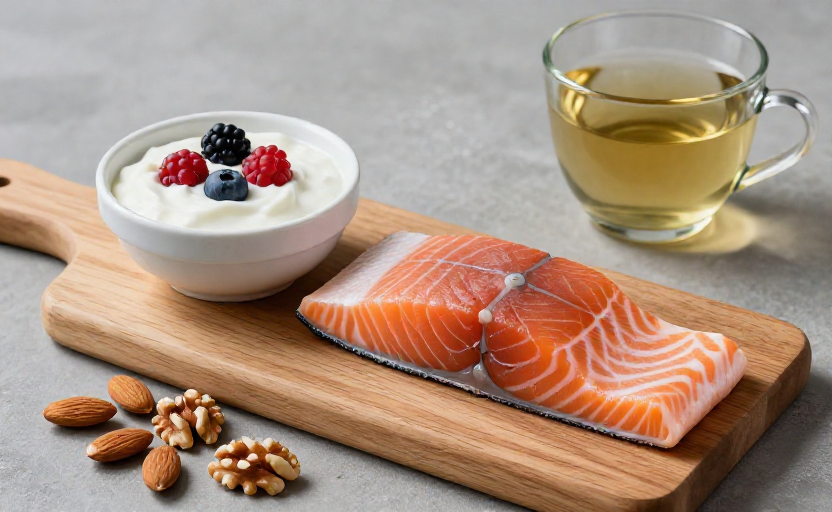
Fatty fish like salmon, mackerel, sardines, and anchovies are packed with EPA and DHA—types of omega-3 fatty acids that are powerful anti-inflammatory agents. Research suggests that higher dietary intake of omega-3s can reduce acne severity and may also lower cortisol levels. Dietitians recommend two servings of fatty fish per week, but even a single serving can help blunt the inflammatory response to a stressful day.
If you don't eat fish, plant-based omega-3s from chia seeds, ground flaxseeds, and walnuts are helpful, though the conversion to active EPA/DHA in your body is limited. Some dietitians suggest a microalgae oil supplement as a consistent source.
Fermented foods for gut-skin health
Stress can throw off your gut microbiome, which in turn can trigger a skin flare. Fermented foods introduce beneficial probiotics that help keep your gut lining resilient. At least one study has linked yogurt containing probiotics to fewer acne lesions, but dietitians also point to sauerkraut, kimchi, kefir, miso, and tempeh as effective options.
Aim for a small serving daily. You don't need gallons; even a few tablespoons of sauerkraut with a meal or a single container of plain kefir can make a difference over time.
Colorful vegetables and berries
Dietitians consistently highlight produce rich in antioxidants—especially vitamins C and E, beta-carotene, and polyphenols. These compounds neutralize free radicals that increase when stress is high. Leafy greens like spinach and kale, red bell peppers, broccoli, and berries (blueberries, strawberries, raspberries) are especially potent.
Aim to fill half your plate at lunch and dinner with produce, and if you're in a rush, a handful of frozen berries added to yogurt or oatmeal counts just as well. Dietitians also emphasize green tea as a beverage choice rich in the antioxidant epigallocatechin gallate (EGCG), which may reduce sebum production when consumed regularly.
Foods that stabilize blood sugar
Stress already raises blood glucose levels, and a sudden spike—think sugary latte or a bagel—can amplify inflammation and more acne. Choosing foods that release energy slowly helps keep your skin calm.
- Legumes: Lentils, chickpeas, black beans, and edamame provide protein and fiber that slow digestion and stabilize glucose.
- Whole grains: Oats, quinoa, farro, brown rice, and barley offer fiber and lower glycemic loads compared to refined bread or white rice.
- Nuts and seeds: Almonds, walnuts, sunflower seeds, and pumpkin seeds deliver healthy fats and zinc. Zinc is notably important for skin health; some research shows people with acne tend to have lower blood zinc levels. A small handful of seeds or nuts as a snack is all you need.
Consistency matters more than perfection. Eating these foods regularly, not just during a crisis, builds a buffer against stress-related inflammation.
What to limit during high-stress periods
Dietitians commonly advise cutting back on or avoiding three categories when you're feeling stretched and skin is breaking out.
- High-glycemic carbohydrates: Sweets, sugary drinks (soda, sweetened iced tea), white bread, and most processed snack foods cause a rapid rise in insulin, which can trigger sebum secretion.
- Dairy: For some people, especially those sensitive to it, dairy—particularly skim milk—has been linked to increased acne. The exact mechanism isn't fully understood, but whey protein may play a role, and the natural hormones in milk could affect your own hormone balance. Dietitians suggest a trial elimination for two to three weeks to see if your skin clears.
- Excess alcohol and caffeine: Both can spike cortisol further and dehydrate the skin, making it harder for your skin barrier to repair itself. Moderate intake is the goal—no more than one to two drinks daily for alcohol, and spaced caffeine consumption with plenty of water.
Simple tactics for real-world eating
High stress often leads to either skipping meals or reaching for convenience foods. Dietitians offer straightforward shifts:
- Keep a bag of frozen vegetables and a can of beans in the pantry for a ten-minute soup or stir-fry.
- Pre-portion nuts, seeds, and berries into snack-size containers so you have a blood-sugar-stabilizing option ready.
- Drink a full glass of water before any second cup of coffee; dehydration can worsen skin texture and irritation.
- If you're having a more indulgent meal, pair it with a side of raw vegetables or a handful of almonds to reduce the overall glycemic hit.
Bottom line
There is no single 'anti-acne' food that cancels stress, but a diet built around omega-3s, fermented foods, colorful produce, and low-glycemic carbohydrates gives your skin the support it needs to stay calm under pressure. Dietitians stress that these changes work best when practiced consistently—even on low-stress days. Your skin responds to patterns, not to occasional perfect meals.