
You’ve been sticking to your routine, applying products with care—but those tiny, flesh-colored bumps just keep appearing. Whiteheads, or closed comedones, form when pores become clogged with oil and dead skin cells. While a good regimen can help, the wrong one can actively make things worse. Here are six specific symptoms that your skincare routine might be the culprit.
1. You’re seeing more bumps around your hairline and jaw
Whiteheads that cluster along the hairline, jawline, or chin often point to product buildup. Thick creams, rich hair products, or even your shampoo can leave a residue that blocks pores. If the bumps are concentrated where your products sit longest, it’s a clue that something you’re using—possibly a heavy moisturizer, a leave-in conditioner, or a styling product—is too occlusive for your skin.
2. Your skin feels greasy by midday, yet flaky in spots
This paradoxical combination—oily yet peeling—often signals compromised barrier function. When you overload your skin with harsh cleansers, acids, or strong retinoids, you can strip away its natural protective lipids. In response, the skin may produce more oil to compensate, which then mixes with dead cells to clog pores. If your routine leaves you with an oily T-zone and dry patches, you might be over-exfoliating or using a cleanser that’s too aggressive.
3. New whiteheads appear after adding an “anti-aging” or “brightening” product
Many serums, especially those containing peptides, vitamin C, or heavy emollients, can trigger congestion in acne-prone skin. If your whiteheads flared up after introducing a new serum or cream, check its ingredient list for pore-clogging oils like coconut oil, shea butter, or isopropyl myristate. Even a product marketed as “non-comedogenic” can still cause issues for some individuals, so watch for delayed breakouts that follow product launches.
4. You’re using multiple exfoliants—or none at all
Both extremes can cause whiteheads. Over-exfoliating with strong chemical exfoliants (glycolic, salicylic, or lactic acid) multiple times a day can irritate skin, leading to a rebound increase in dead skin cells and oil. Under-exfoliating allows those same cells to build up and block pores. The sweet spot is typically a gentle AHA or BHA used 2–3 times per week, depending on your skin’s tolerance. If you’re using a physical scrub daily or layering two acids, back off for a few weeks and see if the bumps subside.
5. Your moisturizer feels like a heavy layer that never absorbs
A moisturizer that sits on top of your skin, leaving a tacky or greasy feel for hours, is likely too thick for your pore size. Rich formulations with ingredients like lanolin, petrolatum, or high concentrations of fatty alcohols can lock in moisture but also lock in debris. Switch to a lighter, gel- or water-based moisturizer with ingredients like hyaluronic acid or niacinamide. You should feel hydrated but not coated.
If your moisturizer leaves your skin feeling greasy more than 20 minutes after application, it’s probably too heavy for your skin type.
6. You’ve been using the same routine for months—and nothing has changed
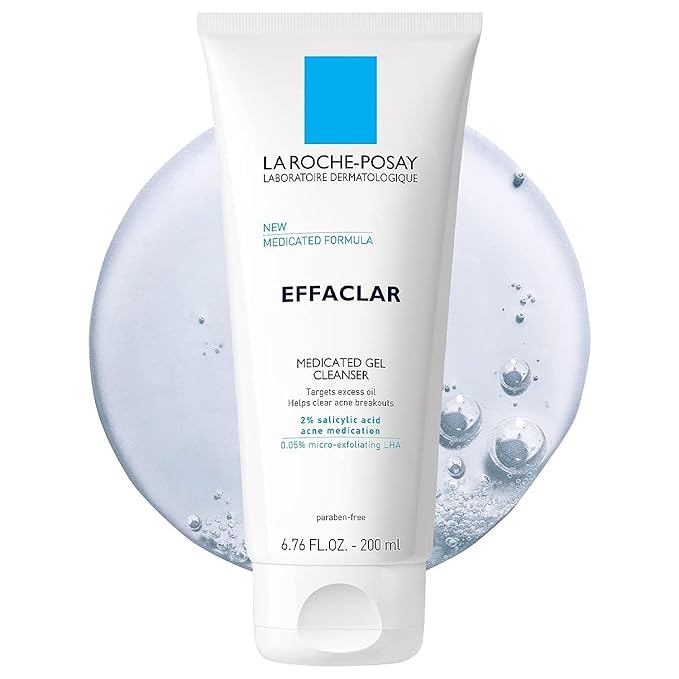
Sometimes whiteheads are simply a sign that your current products aren’t working for you. Skin changes with seasons, stress levels, and age. A regimen that worked in winter may be too heavy in summer. If you’ve been consistent for three months without improvement, it’s time to reassess. Consider simplifying your routine: start with a gentle cleanser, a non-comedogenic moisturizer, and a targeted active like salicylic acid. Keep a log of product changes and skin response for a clearer picture.
What to do next
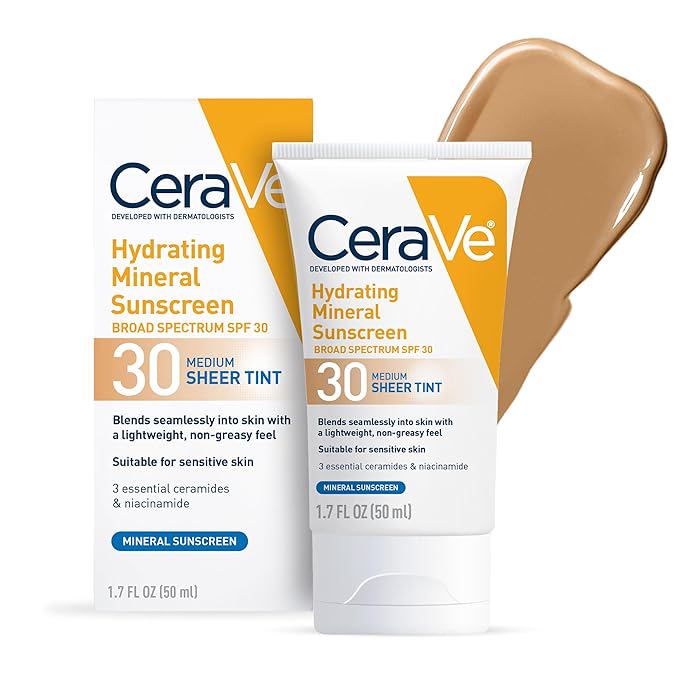
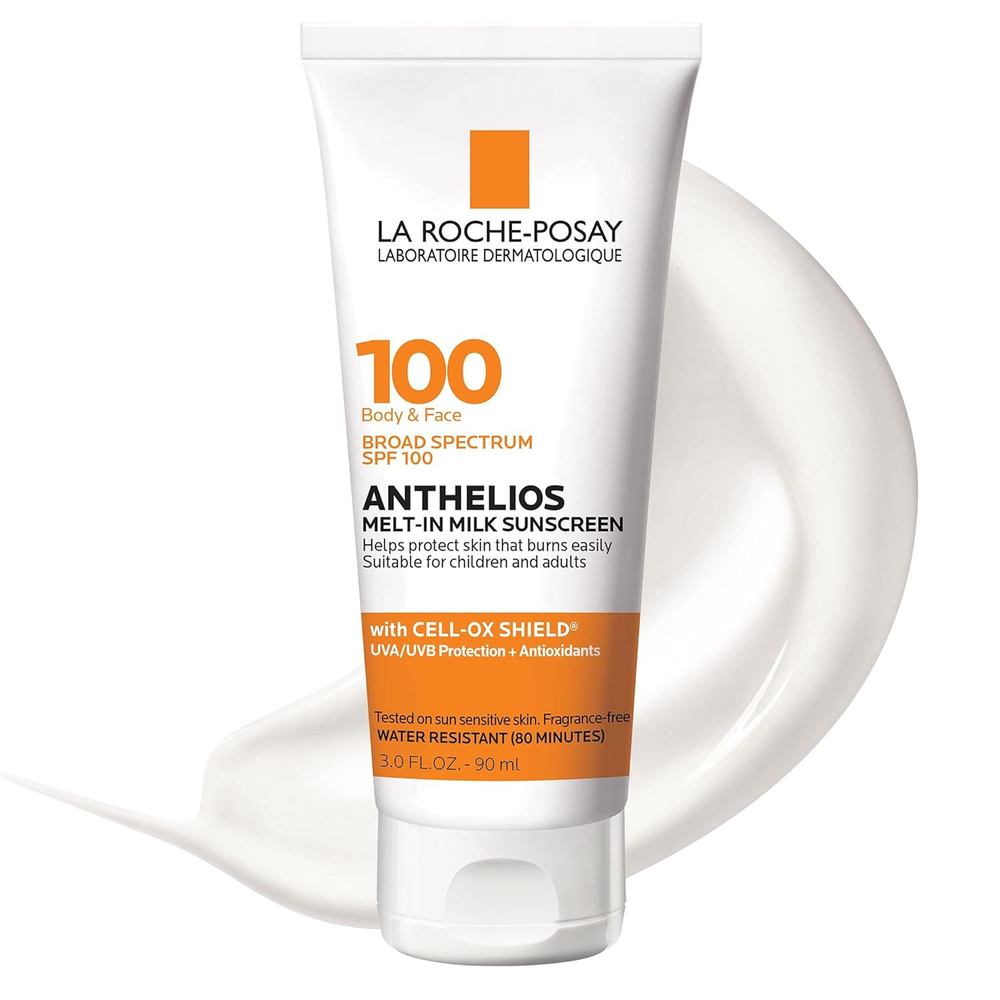
Review your product labels for pore-clogging ingredients. Cut back to a minimal routine for two to three weeks—just cleanse, moisturize, and use a light sunscreen. Then, reintroduce one product at a time, waiting a week between additions. This helps you identify the culprit. If whiteheads persist, a dermatologist can determine whether you need prescription-strength treatment or if a different underlying condition, like fungal acne, is at play.
The goal isn’t to add more products—it’s to find the right ones for your skin. Pay attention to how your skin feels, not just how it looks. A healthy routine should leave your skin feeling smooth, balanced, and calm.