
Whiteheads, or closed comedones, are one of the more stubborn forms of acne. Unlike blackheads, which are open to the air and oxidize, whiteheads are trapped beneath a thin layer of skin. This makes them particularly tricky to treat, because the natural impulse—picking, squeezing, or scrubbing—often does more harm than good. The goal is to clear the pore without stripping the skin barrier or causing inflammation. Here is how to approach whitehead treatment with the precision and patience your skin deserves.
Why whiteheads form and what makes them different
A whitehead starts the same way as most acne: a combination of excess sebum, dead skin cells, and sometimes bacteria get trapped inside a hair follicle. The key difference is that the follicle opening is closed. Because the contents are not exposed to air, the material remains white or flesh-colored instead of turning dark. This closed pore makes it difficult for topical products to penetrate, which is why gentle chemical exfoliation—not physical scrubbing—is the most effective approach.
Common triggers include heavy or occlusive skincare products, hormonal fluctuations, and certain hair or styling products that migrate onto the forehead and jawline. If you notice clusters of whiteheads along your chin or hairline, consider whether your conditioner or leave-in treatment could be the culprit.
The case against extraction at home
It is tempting to take matters into your own hands with a comedone extractor or even your fingernails, but this often backfires. Squeezing a whitehead places tremendous pressure on the follicle wall. When it ruptures inward, the trapped debris spills into the surrounding tissue, sparking inflammation. What was a small blemish can quickly become a red, swollen, and potentially hyperpigmented spot that takes weeks to heal.
A good rule of thumb: if the whitehead does not release with light, even pressure from a clean tissue, leave it alone for a few more days of targeted treatment.
If you absolutely must extract (and many dermatologists advise against it for closed comedones), do it only when the whitehead is at the very surface and appears ready. Use a sterile lance, apply minimal pressure, and follow immediately with a soothing, non-comedogenic moisturizer. Even then, the risk of damage remains.
Chemical exfoliants: the first-line tool
Because whiteheads are covered by a thin layer of skin, gentle chemical exfoliation is often the most effective way to clear them. The aim is to dissolve the bonds holding dead cells together so the pore can naturally release its contents without force.
Salicylic acid (beta hydroxy acid)
Salicylic acid is oil-soluble, meaning it can penetrate deep into the pore to break down the mixture of oil and dead skin. It is widely considered the go-to ingredient for whiteheads. A leave-on treatment or toner with 0.5% to 2% salicylic acid, used a few times per week, can gradually clear existing clogs and help prevent new ones. Start with a lower concentration to see how your skin responds.
Azelaic acid
Azelaic acid is a gentler alternative that also has anti-inflammatory properties. It works by normalizing the shedding of skin cells inside the follicle. This makes it a solid choice for anyone with sensitive skin or concurrent redness. It is often available over the counter in 10% formulations and by prescription in higher strengths.
Retinoids
Prescription retinoids like tretinoin or over-the-counter retinol are powerful long-term tools for whiteheads. They accelerate cell turnover at a deeper level, helping to keep pores clear over time. However, retinoids require patience: it can take 8 to 12 weeks to see significant improvement, and there is often a purging phase where existing clogs surface before they clear. If you are new to retinoids, start with a low-strength retinol twice a week and build up gradually.
What to avoid in your routine
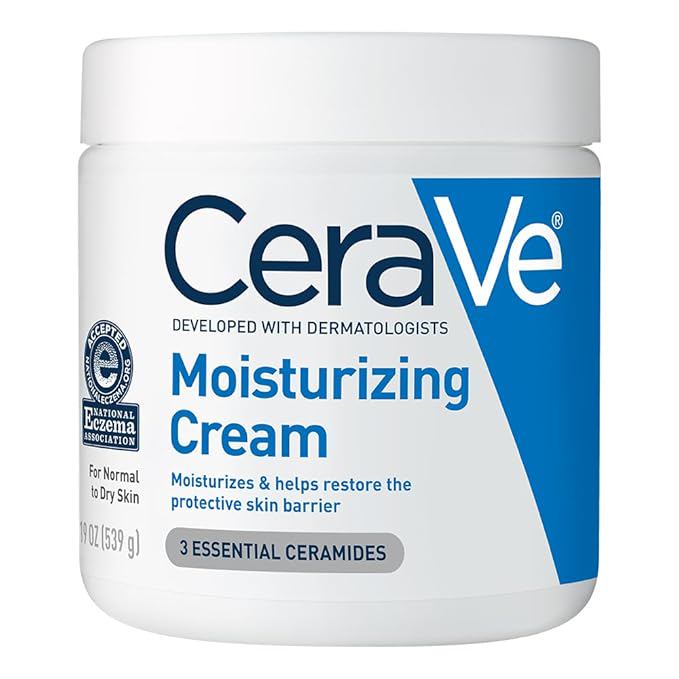
Just as important as what you use is what you stop using. Thick creams, occlusive balms, and heavy oils can seal in the pore and make whiteheads worse. Look for the term "non-comedogenic" on labels, but be aware that this is not a regulated claim—it is a marketing statement based on limited testing. Pay attention to how your skin actually responds.
Physical scrubs with rough particles, cleansing brushes used with excessive pressure, and clay masks left on until tight and cracked can all disrupt the skin barrier. A compromised barrier leads to more irritation, more oil production, and ultimately more clogs. If your skin feels tight, stings when you apply moisturizer, or looks shinier than usual after a harsh treatment, you have likely gone too far.
Build a gentle, consistent routine
A sensible routine for whitehead-prone skin might look like this:
- Cleanse once or twice daily with a gentle, pH-balanced cleanser. Avoid sulfates if your skin is easily irritated.
- Treat with a salicylic acid toner or azelaic acid serum two to three evenings per week. On other nights, use a simple hydrating serum or a low-dose retinol if you have built tolerance.
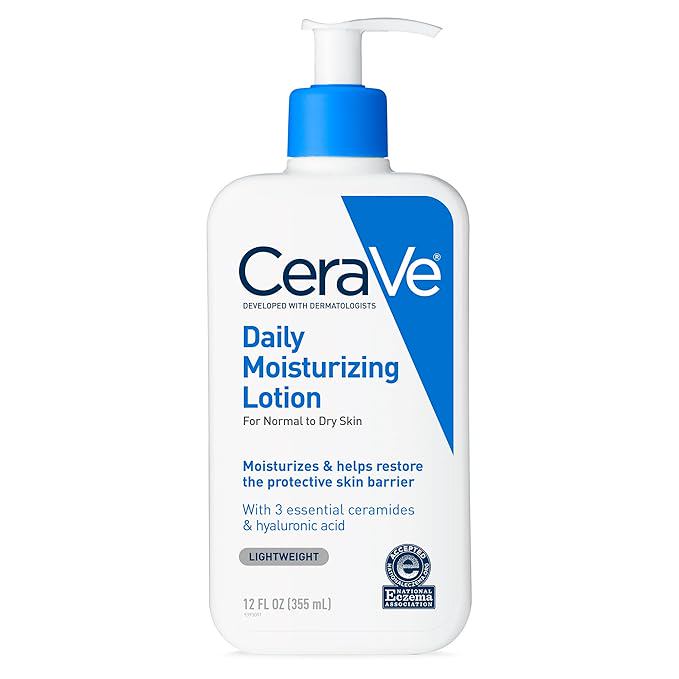
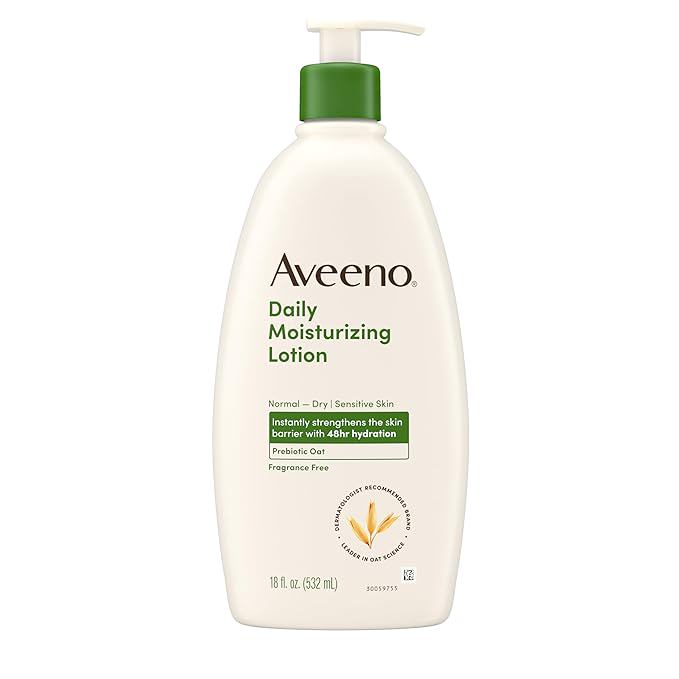
- Moisturize with a lightweight, oil-free moisturizer that contains humectants like glycerin or hyaluronic acid. Even oily skin needs hydration to function properly.
- Protect with a broad-spectrum sunscreen every morning. Sun exposure thickens the outer layer of skin, which can worsen whiteheads over time, and some exfoliants increase sun sensitivity.
Consistency matters more than intensity. It is better to use a gentle product every other day for six weeks than to use a strong product every night for one week before your skin rebels.
When to see a professional
If whiteheads are persistent, widespread, or located in areas you cannot easily reach (like the back or shoulders), a dermatologist or licensed esthetician can help. Professional options include:
- Prescription retinoids or combination topicals that contain an antibiotic and a retinoid in one formula
- Chemical peels with salicylic acid or glycolic acid in a controlled clinical setting
- Safe extraction performed under magnification with sterile tools, which is far less damaging than home attempts
If you notice scarring, hyperpigmentation, or painful cysts developing, do not wait—schedule an appointment sooner rather than later.
The path to clearer skin with whiteheads is not about aggressive scrubbing or hardcore masks. It is about using the right ingredients in the right way, respecting your skin's protective barrier, and knowing when to step back. With a steady routine and realistic expectations, you can reduce whiteheads without inviting irritation, redness, or lasting damage.