You’ve probably heard the rule before, but it bears repeating: keep your hands off your face. It sounds like simple advice, but it’s one of the hardest habits to break—and one of the most important for anyone struggling with whiteheads. Every time you rest your chin on your palm, absentmindedly scratch an itch, or prop up your head while reading, you’re transferring oil, dead skin cells, and bacteria directly onto your skin. That innocent gesture may be the single loop that keeps your pores clogged and your whiteheads coming back.
Whiteheads form when a pore gets blocked by a plug of sebum and keratin. That plug then oxidizes or stays closed at the surface. But here’s the part that doesn’t get enough airtime: Propionibacterium acnes (the bacteria that thrive in that clogged environment) live on your skin all the time. They’re usually harmless—until you start feeding them a steady stream of fresh contaminants. That’s exactly what your fingers do. Your hands touch door handles, phones, keyboards, and countless other surfaces throughout the day. Each touch picks up microbial hitchhikers, and the moment your fingertips meet your face, you’ve given them a direct ride to your pores.
Why whiteheads are especially vulnerable to touch
Whiteheads differ from blackheads in one key way: the opening of the pore is closed or covered by a thin layer of skin. That means the trapped sebum and bacteria can’t escape easily. When you press, pick, or rub that area, you risk rupturing the follicular wall. The contents then spill into the surrounding tissue, triggering inflammation, redness, and sometimes a full-blown pustule. So that innocent squeeze you did in the mirror this morning may have turned a dormant whitehead into an angry spot that will take days to calm down.
Beyond the immediate mechanical damage, touch transfers bacteria from other parts of your face—or from surfaces—into the whitehead’s opening. Even if you can’t see a break in the skin, micro-tears occur. The bacteria get a foothold, multiply, and the cycle repeats. Studies have shown that the skin of people with acne harbors higher levels of C. acnes and S. epidermidis, both of which flourish when given a little extra food and moisture from your hands.
The hidden risk of your phone
One of the biggest offenders isn’t your hands alone—it’s your phone. When you hold your phone to your ear, you’re pressing a surface that’s teeming with bacteria, oil, and makeup residue directly against your cheek and jawline, where many whiteheads cluster. Researchers have found that mobile phones carry more bacteria per square inch than a toilet seat. And unlike a toilet seat, you hold it against your face for minutes at a time, creating a warm, humid environment that bacteria love.
To reduce this risk, get into the habit of cleaning your phone screen daily with a gentle alcohol-free wipe or microfiber cloth. Consider using speakerphone or wired earbuds for calls longer than a minute. This simple change can drop your breakout frequency noticeably within a week or two.
How to break the habit without going crazy
Breaking the face-touching habit requires more than willpower—it requires awareness and replacement behaviors. Here are a few strategies that actually work.
- Wear something on your hands. A simple ring, a rubber band around your wrist, or even a small piece of tape on your finger can serve as a physical reminder. Every time you feel it, you’ll remember to lower your hands.
- Keep your hands busy. If you touch your face when you’re thinking or reading, try holding a pen or a small fidget cube instead. The goal is to give your fingers something else to do.
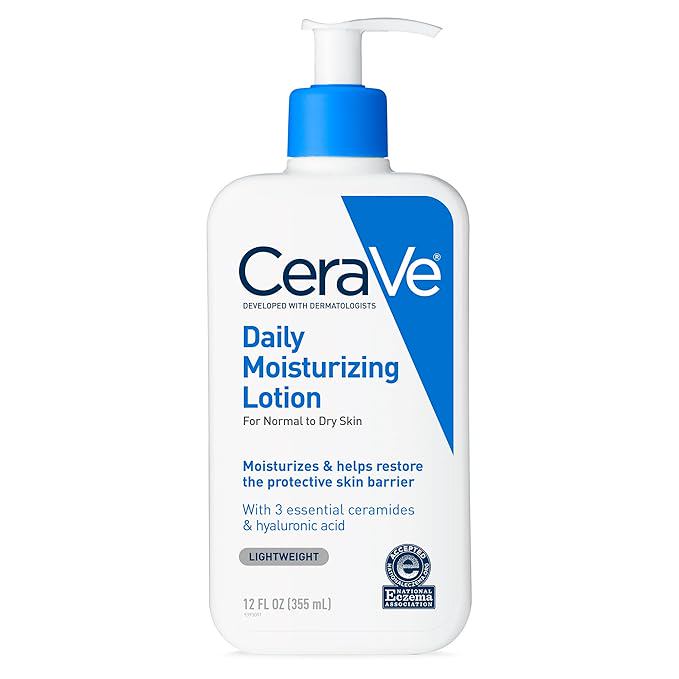
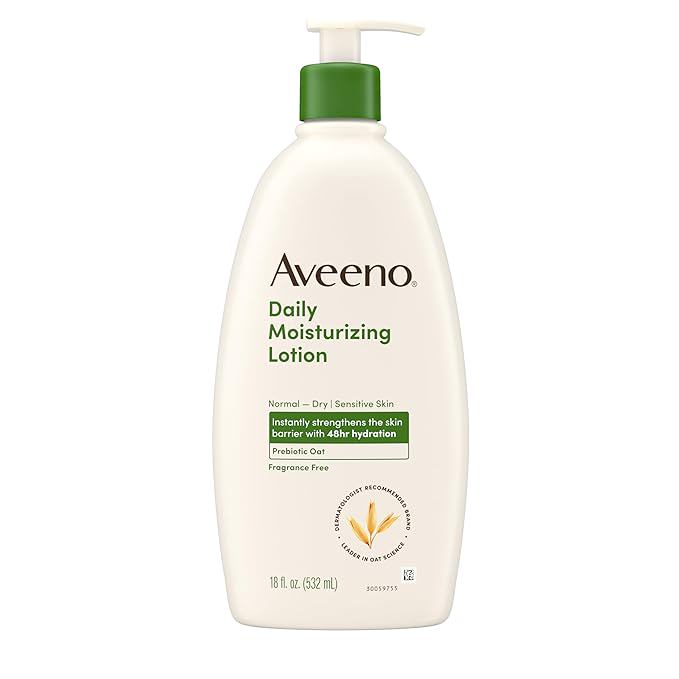
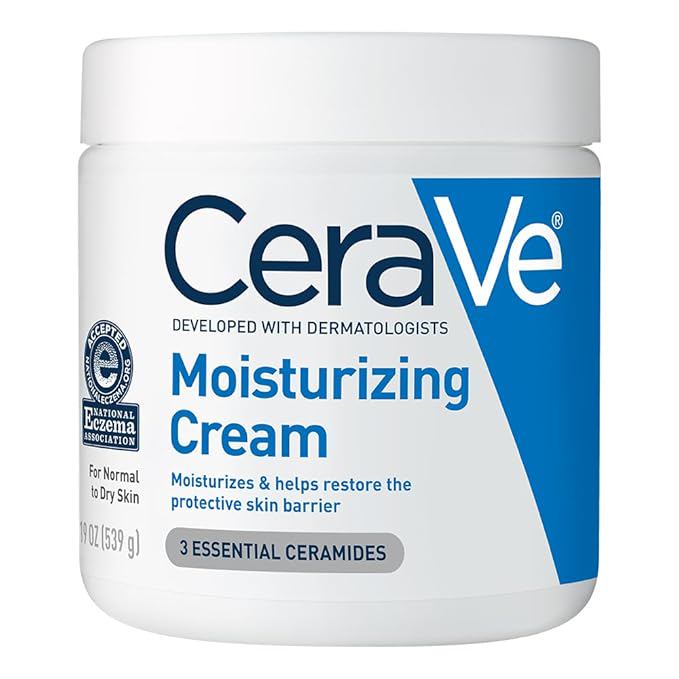
- Use a barrier product. A lightweight, non-comedogenic moisturizer or a mattifying primer can reduce the urge to touch because your skin feels smooth and protected. The sensory feedback changes.
- Set an environmental cue. Place a sticky note on your computer monitor or mirror that says “hands off.” After a few days, you’ll start noticing the habit earlier.
What to do if you slip up
Nobody is perfect. If you catch yourself touching your face, don’t panic. Simply wash your hands with a gentle cleanser and move on. Avoid scrubbing or using harsh antibacterial soaps, which can strip your skin’s barrier and actually make breakouts worse by encouraging more oil production. If you’ve already touched an area with whiteheads, spot-treat with a salicylic acid or benzoyl peroxide product as directed on the label. The key is to interrupt the chain reaction before it escalates.
It’s also worth remembering that the face-touching habit is often a form of stress relief. When you feel the urge to touch your face, take a deep breath, close your eyes, and press your palms together instead. That simple shift in gesture can reset your nervous system without compromising your skin.
Support your skin’s natural defenses
While you’re working on breaking the habit, give your skin a fighting chance. A consistent routine that includes a gentle cleanser, an oil-free moisturizer, and a non-comedogenic sunscreen will help keep your skin barrier intact. A healthy barrier is less reactive to bacteria and less likely to produce excess sebum that feeds whiteheads. Also consider incorporating a product with niacinamide, which helps regulate oil production and supports the skin’s microbiome balance.
Think of this as a gentle, ongoing practice—not a punishment. Every time you keep your hands away, you’re giving your skin a break from the one element you can most easily control.
Stop touching your face isn’t just a flippant piece of advice; it’s grounded in how whiteheads actually develop and persist. Your hands are the most consistent vector for the bacteria that turn a simple clogged pore into a recurring problem. By respecting that connection and building small habits to interrupt it, you can dramatically reduce the frequency and severity of whiteheads—without changing your entire skincare routine or adding expensive products.
Start today. Notice when your hands drift upward. Redirect them. Your skin will thank you, and the change might be more visible than you expect.