
We all know that sinking feeling when a small whitehead suddenly becomes an angry, red, painful cyst. You’re left wondering what you touched, what you ate, or whether you accidentally slept in your makeup. But here’s the quiet truth that dermatologists and estheticians see every day: one single daily habit is often the culprit. And it’s probably something you’re doing right now without giving it a second thought.
The habit is too-clean skin — specifically, over-washing and over-exfoliating in an effort to “prevent” breakouts. It sounds counterintuitive, but stripping your skin’s protective barrier drives inflammation, alters the microbiome, and turns a simple whitehead into a stubborn breakout that clings to your face for weeks. Let’s unpack exactly why this happens and what you can do to break the cycle.
Why “Clean Freak” Logic Backfires on Whiteheads
A whitehead (closed comedone) forms when a pore gets clogged with oil, dead skin cells, and bacteria. At this stage, the pore is still intact — the contents aren’t exposed to the air, and the inflammation is minimal. The smartest approach is gentle, consistent care that lets the pore clear naturally. But when you react with harsh cleansing, aggressive scrubs, or alcohol-laden toners, you strip the skin of its natural lipids. In response, your oil glands go into overdrive, producing more sebum. Meanwhile, the outer layer of skin (the stratum corneum) becomes damaged and leaky, allowing bacteria to enter more easily. That dormant whitehead now has everything it needs to erupt into a full-blown pimple.
The telltale signs you’re over-cleansing
- Your face feels tight, dry, or “squeaky” right after washing
- You use a foaming or sulfate-heavy cleanser twice a day (or more)
- You exfoliate daily with a physical scrub or a high-percentage acid
- Breakouts appear in new areas — not just your usual T-zone
- Your skin looks red, irritated, or peels between pimples
What Actually Happens to a Whitehead When You Overdo It
Picture the pore as a sealed vial containing oil and bacteria. The vial has a fragile lid (the whitehead). Your instinct might be to scrub that lid off, but that only breaks the seal and releases the contents into the surrounding tissue. Here’s the biological play-by-play:
- Barrier disruption. Harsh cleansers and scrubs remove the protective lipids that keep moisture in and irritants out. The skin’s pH shifts upward, making it more vulnerable to Cutibacterium acnes bacteria.
- Inflammation cascade. Damaged skin cells release chemical signals that attract immune cells. Redness and swelling follow, turning a whitehead into a papule or pustule.
- A vicious loop. The inflamed area heals slowly, and while it’s healing, you might scrub it again — reopening the wound and making the breakout last for weeks.
A skin barrier is like a brick wall. The bricks are skin cells and the mortar is oil. If you dissolve the mortar, the wall crumbles — and every little clog becomes a disaster.
The Right Way to Treat a Whitehead Without Making It Worse
You don’t need to abandon cleanliness. You need to be strategic. The goal is to support the skin’s natural shedding process without provoking a defensive inflammatory response.
1. Gentle cleansing, twice a day
Use a non-stripping, sulfate-free cleanser with ingredients like glycerin, ceramides, or aloe. Wash for 30 seconds with lukewarm water — hot water strips oils. Pat dry; never rub.
2. Targeted treatment, not all-over assault
Instead of harsh scrubs, apply a spot treatment with salicylic acid (beta hydroxy acid) or benzoyl peroxide directly on the whitehead. Leave the rest of your skin alone. Salicylic acid is oil-soluble and can penetrate the pore to dissolve the clog from the inside out.
3. Moisturize every single time
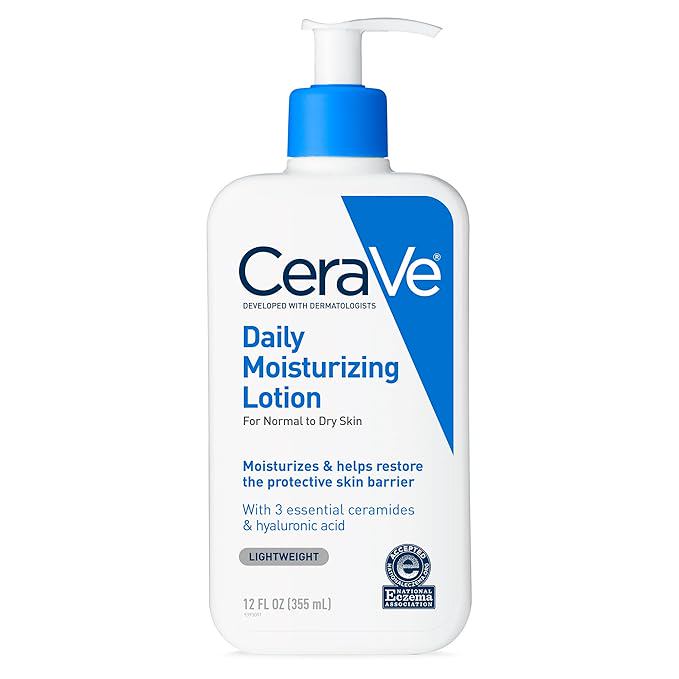
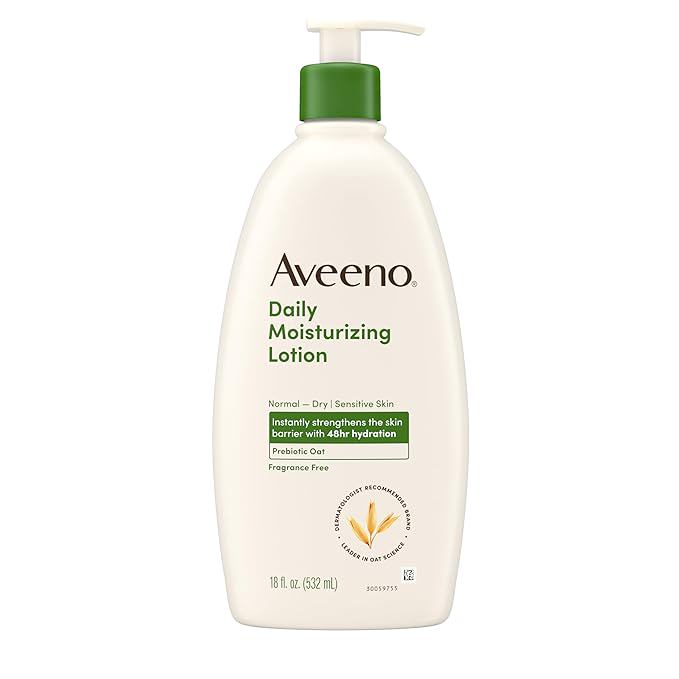
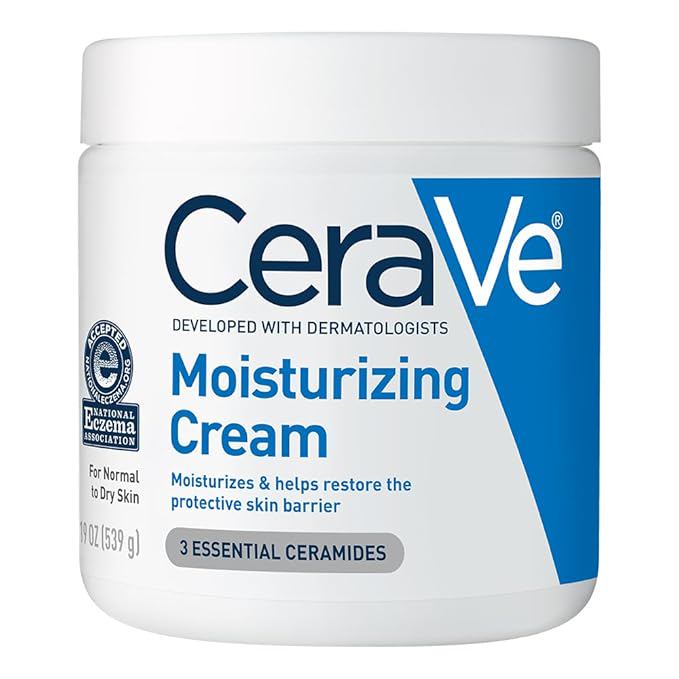
Hydrated skin heals faster. A lightweight, non-comedogenic moisturizer with niacinamide or hyaluronic acid helps repair the barrier and calms inflammation. Even oily skin needs moisture — skipping it only triggers more oil production.
4. Hands off — literally
Picking, squeezing, or popping a whitehead breaks the skin and introduces bacteria from your fingers. The result is almost always a bigger, longer-lasting breakout and a higher risk of a dark spot or scar. If you absolutely must extract it, a licensed professional with a sterile tool is the only safe option.
When “Less Is More” Is Actually True for Acne
It’s easy to assume that the more aggressively you attack a whitehead, the faster it will disappear. But research on acne-prone skin consistently shows that gentle, consistent care outperforms harsh regimens. Over-cleansing disrupts the microbiome and raises the skin’s pH, creating an environment where pathogenic bacteria thrive. A simple routine — cleanse, treat, moisturize, protect — gives the skin what it needs without triggering the inflammatory spiral.
If you’ve been chasing breakouts by scrubbing your face raw every morning and night, try pulling back for two weeks. Use only a mild cleanser, a targeted spot treatment, and a basic moisturizer. Many people find that their skin settles faster when they stop fighting it.
The single daily habit that turns whiteheads into stubborn, inflamed breakouts is the very one you think is helping: aggressively cleansing and exfoliating in the name of prevention. Your skin’s barrier is its best defense. Treat it with care, and those small whiteheads will have a much harder time turning into anything worse.