Hormonal breakouts around your period are frustrating, and they often feel different from the pimples you get at other times of the month. These flare-ups are driven by shifting estrogen and progesterone levels, which can increase oil production and inflammation in the skin. While a good skincare routine helps, what you put on your plate may also play a supporting role. Research suggests that certain foods can help calm the hormonal shifts that trigger period acne.
Here are two expert-backed food categories that specifically target the root causes of menstrual acne: inflammation and hormone balance.
Omega-3 Rich Fish
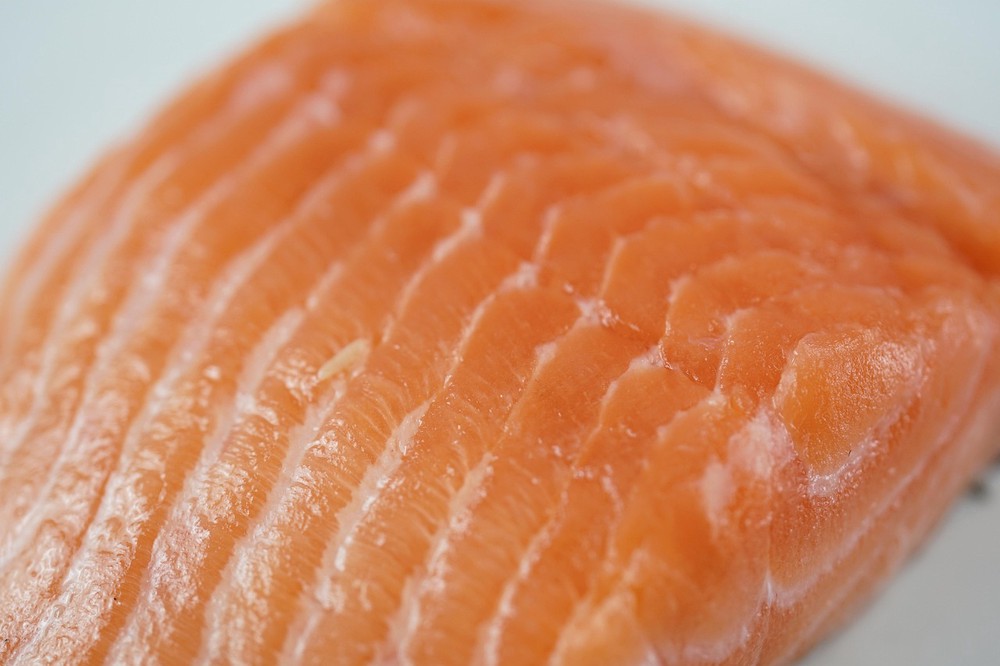
Fatty fish like salmon, mackerel, and sardines are one of the most effective anti-inflammatory foods you can eat. The key is their high concentration of omega-3 fatty acids, specifically EPA and DHA. These healthy fats help reduce the production of inflammatory molecules that can worsen acne during the luteal phase of your cycle (the week or so before your period starts).
A 2021 study in the Journal of Clinical Medicine found that people who consumed higher levels of omega-3s had significantly fewer acne lesions. The anti-inflammatory effect is especially important for hormonal acne because the typical premenstrual spike in progesterone can increase sebum, creating a perfect environment for clogged pores. Omega-3s work by calming this inflammatory response at the cellular level, potentially reducing both the number and the severity of breakouts.
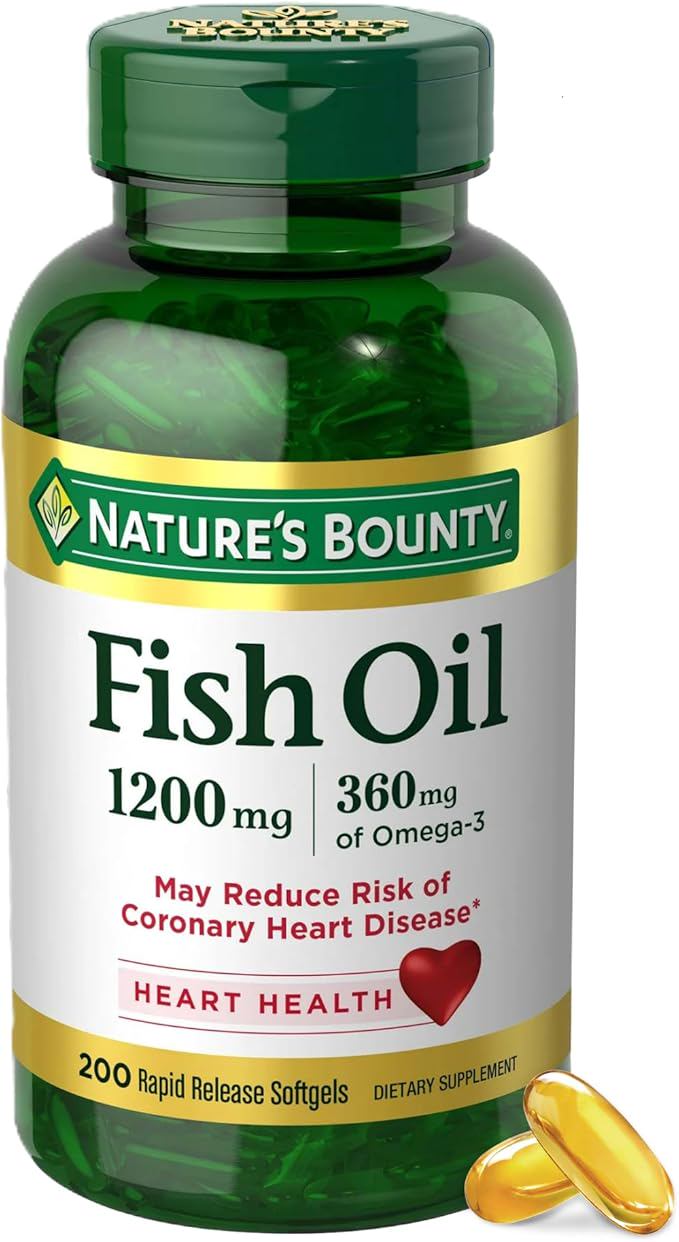
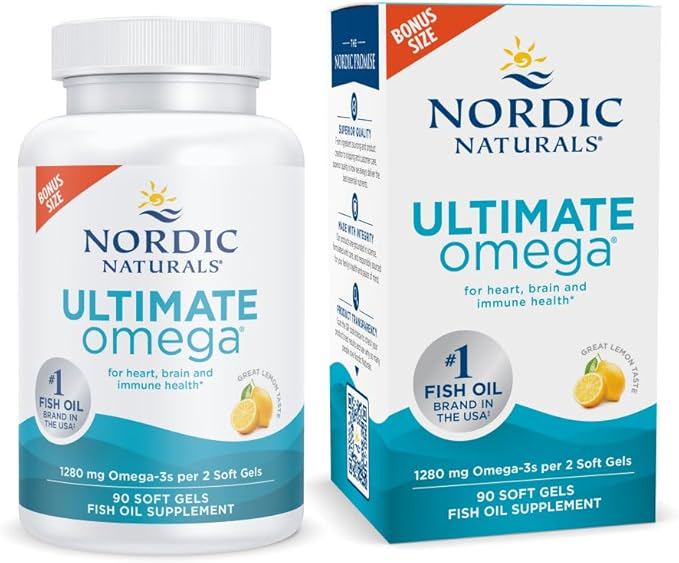
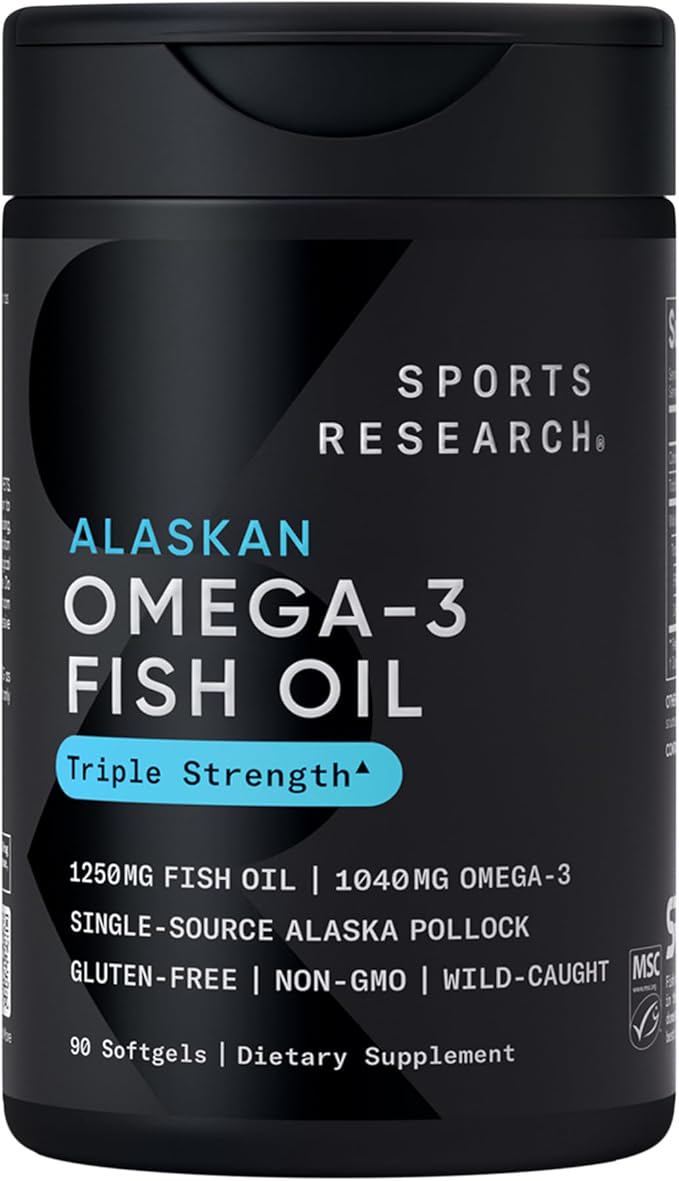
For most people, eating two servings of fatty fish per week is enough to notice a benefit. If fish isn’t part of your diet, a high-quality fish oil supplement is another option, but whole food sources also provide valuable vitamin D and zinc, which support skin health in their own right.
Foods Rich in Zinc
Zinc is considered one of the most evidence-based nutrients for acne management. It acts as a natural anti-inflammatory and helps regulate oil production. Zinc also supports the immune system, helping to control the C. acnes bacteria that can worsen infected pimples.
Good food sources of zinc include:
- Pumpkin seeds – A handful provides a significant portion of your daily zinc needs.
- Chickpeas and lentils – These legumes are also high in fiber, which helps regulate blood sugar (another factor in hormonal acne).
- Oysters and red meat – Animal sources of zinc are more easily absorbed by the body; just keep portions moderate.
- Nuts like cashews and almonds – Easy to add to snacks or salads.
A 2014 review in Dermatology Research and Practice noted that people with acne tend to have lower zinc levels than those without. While topical zinc can help, eating zinc-rich foods addresses the problem systemically, which is exactly what you need when the root cause is hormonal.
How These Foods Target Hormonal Acne
Period acne often shows up along the jawline, chin, and neck—areas that are highly sensitive to hormone fluctuations. The two mechanisms that these foods target are inflammation and insulin sensitivity.
Omega-3s lower the production of pro-inflammatory cytokines, which are elevated during the luteal phase. Zinc, on the other hand, dampens the activity of 5-alpha-reductase, an enzyme that converts testosterone into its more potent form, DHT. DHT is a major trigger for oil production in the skin. By reducing this conversion, zinc can help keep oil levels in check even when progesterone rises.
A simple pattern to try: Add a serving of fatty fish or a zinc-rich snack like pumpkin seeds to your meals during the 10 days leading up to your period. Consistency across cycles may yield more noticeable results than a last-minute fix.
Other Helpful Food Choices
While omega-3s and zinc-rich foods are the most targeted options, two other dietary patterns support clear skin during your cycle:
- Low-glycemic carbohydrates – Swapping white bread and sugary snacks for whole grains, quinoa, or sweet potatoes helps prevent insulin spikes that can worsen hormonal acne.
- Probiotic foods – Yogurt, kefir, kimchi, and sauerkraut support gut health. A healthy gut microbiome is linked to reduced inflammation better hormone metabolism.
Hydration also matters, but not in the way you might think. Staying well-hydrated helps your body flush out excess hormones and keeps skin cells functioning properly. Water, herbal teas, and water-rich vegetables like cucumber all count.
Foods to Limit Near Your Period
Certain foods can work against your efforts. During the week before your period, it’s smart to reduce:
- Dairy – Some research suggests that dairy can increase insulin-like growth factor (IGF-1), which may trigger breakouts in sensitive individuals.
- High-sugar treats and refined carbs – They spike blood sugar and insulin, which can increase androgen activity and oil production.
- Processed vegetable oils – Oils high in omega-6 fatty acids (like soybean and corn oil) can promote inflammation when not balanced with omega-3s.
You don’t need to eliminate these completely, but being mindful during your premenstrual window may help keep your skin calmer.
When to See a Dermatologist
Diet can be a powerful tool, but it is not a replacement for medical care. If your breakouts are painful, persistent, or leaving scars, a dermatologist can help. They may recommend topical treatments, hormonal therapies like birth control or spironolactone, or in-office procedures that diet alone cannot replicate. Consider food as one part of a broader plan—not the entire answer.
By focusing on anti-inflammatory omega-3s and zinc-rich whole foods, you’re supporting your skin from the inside out. Pair these choices with a consistent skincare routine and you’ll be giving your body the best chance to navigate its monthly hormonal shift with fewer breakouts.