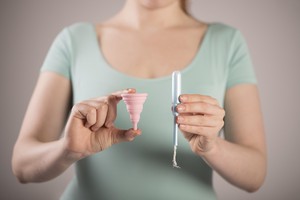

Heavy flow days can feel like a full-time job — especially when you're relying on pads or tampons to manage it. You're already dealing with cramps, fatigue, and the constant need to check or change your protection. The last thing you want is to make the experience harder with the wrong beverage choices.
Believe it or not, what you sip during your period can directly affect how heavy your flow feels and how comfortable your pad or tampon stays. Two common drinks are especially problematic on peak days, and cutting back on them might bring you more relief than you'd expect.
Why drinks matter more than you think
Everything you consume — food, medication, and especially fluids — interacts with your body's circulatory and hormonal systems. Your menstrual flow is controlled by the shedding of the uterine lining, which depends on blood flow, prostaglandin activity, and hormone balance. Some drinks can either thin the blood or encourage the uterus to contract more forcefully, both of which can increase the volume or speed of your flow.
When you're wearing a pad or tampon, a sudden gush or heavier-than-expected flow means more leaks, more changes, and more anxiety. That's why swapping two common drinks during your two heaviest days is a simple, practical adjustment.
The first drink to avoid: Caffeinated coffee and strong tea
That morning cup of coffee or strong black tea is a comfort for many, but on heavy flow days, it does your body no favors. Caffeine is a vasoconstrictor, meaning it temporarily tightens blood vessels — including those in your pelvic area. This can increase muscle tension in your uterus and amplify cramping while simultaneously affecting the consistency of menstrual blood flow.
How caffeine affects pad and tampon comfort
The diuretic effect of caffeine also pulls water out of your body. Less hydration can mean a thicker, more concentrated flow that's harder for tampons to absorb evenly. Pads also become more saturated in smaller areas, leading to uneven coverage and a higher risk of breakthrough. Caffeine can also stimulate your digestive system, compounding the bloating and cramping you're already feeling.
Simple switch: Opt for a warm cup of herbal tea — ginger, chamomile, or peppermint are all excellent. They provide warmth without caffeine and may help ease muscle tension instead of increasing it.
The second drink to avoid: Alcohol
A glass of wine or a cocktail might sound like a good way to unwind during your period, but alcohol on heavy flow days is a double-edged sword. Alcohol thins the blood temporarily, which can make your menstrual flow heavier and more unpredictable. It also dehydrates you, just like caffeine does, which again thickens the blood that remains and can make clotting more noticeable.
Alcohol affects your liver's ability to process hormones, potentially throwing off the estrogen and progesterone balance that regulates your cycle. For anyone using pads or tampons, this means a stronger, faster flow that reduces the effective time of your protection.
Why pad and tampon users feel it the most
When your flow gets heavier from alcohol consumption, you'll need to change your pad or tampon more frequently. That can be inconvenient, especially at night or when you're out. Because alcohol also impairs your judgment and awareness, you might oversleep between changes or forget to check, raising the risk of leaks or even TSS if you're using tampons.
Better choice: Drink a full glass of water between any alcoholic beverage. Even better, stick with water or a non-alcoholic spritzer during your two heaviest days and save the drinks for later in your cycle.
What to drink instead
Hydration is still essential on heavy flow days — in fact, it's more important than ever. Your body is losing blood and fluid, and staying well-hydrated helps keep your blood volume steady, which can actually reduce the intensity of cramps and lighten the perception of heaviness.
- Water: Your number-one choice. Aim for at least 8 glasses a day on heavy days. Room temperature water can be easier on digestion than ice-cold water if you're prone to cramping.
- Herbal teas: Ginger tea can reduce inflammation and nausea. Chamomile tea is a mild muscle relaxant. Peppermint tea helps soothe bloating and digestive upset.
- Electrolyte-infused water: If you're losing a lot of fluid or feeling weak, a no-sugar-added electrolyte drink can restore minerals like potassium and magnesium.
- Warm lemon water: It's gentle on the stomach and encourages regular hydration without any stimulants.
Beyond drinks: Practical heavy-flow tips for pad and tampon users
While your drink choices matter, a few other tactics can make heavy days easier to manage:
- Change more often during peak hours: Even if your pad or tampon isn't fully saturated, changing every 3-4 hours during your heaviest flow reduces the risk of leaks and keeps you fresher.
- Use the right absorbency: Don't rely on a super tampon for light days, but on heavy days, a super-plus tampon or an overnight pad with wings can buy you more peace of mind.
- Consider a backup: If your flow is very heavy, wearing a panty liner or period underwear as a backup to your tampon or pad can catch leaks before they become visible.
- Track your cycle: Knowing which days are typically your heaviest helps you prepare — you can reduce caffeine and alcohol proactively rather than reacting to a leak.
Making small adjustments to your beverage choices during heavy flow days won't solve every period problem, but it can reduce the volume and speed of your flow enough to make pads and tampons feel more secure. It's a low-cost, low-effort change that fits into any lifestyle.
Listen to your body: if you notice a correlation between a certain drink and a sudden gush, trust that signal. On heavy days, water and calming herbal teas are your allies. Save the coffee and cocktails for a time when your cycle isn't demanding quite so much of your attention.