For many people who menstruate, heavy or prolonged bleeding is just part of the monthly routine. But when the body loses more blood than it can replace, iron stores can drop—and the effects go far beyond feeling tired. Iron deficiency is one of the most common nutritional shortfalls among menstruating adults, yet its early signs are often mistaken for everyday stress or a busy schedule.
Knowing what to look for can help you catch low iron before it turns into full-blown anemia. Here are six warning signs that your body might be running low on this essential mineral.
1. Unusual fatigue that rest doesn’t fix
Everyone feels wiped out sometimes, but iron-deficiency fatigue is different. It’s a bone-deep exhaustion that doesn’t lift after a good night’s sleep or a cup of coffee. Iron is a key component of hemoglobin, the protein in red blood cells that carries oxygen to your tissues. When iron is low, your cells don’t get enough oxygen, and every system in your body has to work harder. If you’re sleeping eight hours and still dragging through the day, low iron could be the reason.
2. Shortness of breath during everyday activities
Climbing a flight of stairs or walking to the mailbox shouldn’t leave you winded. When oxygen delivery is compromised because of low iron, your lungs and heart have to compensate. You might notice that your breathing feels shallow or that your heart pounds after mild exertion. This isn’t just being out of shape—it’s a signal that your blood’s oxygen-carrying capacity is diminished.
3. Pale or sallow skin
A loss of color in your complexion—especially noticeable on the face, inside the lower eyelids, or in the nail beds—can be an early visual clue. Hemoglobin gives blood its red color, and when levels drop, skin can look washed out or grayish. To check, gently pull down your lower eyelid and look at the inner lining. In a healthy person, it should be bright pink or red; if it’s pale pink or white, that’s worth mentioning to your healthcare provider.
4. Restless legs or unusual leg cramping
There is a well-documented link between iron deficiency and restless legs syndrome (RLS). The sensation of needing to move your legs, especially at night, can be a direct result of low iron affecting dopamine signaling in the brain. Iron is also essential for muscle recovery. If you’re experiencing more leg cramps than usual—particularly during or after your period—low iron may be contributing to muscle irritability.
5. Brain fog and difficulty concentrating
Iron doesn’t just fuel your muscles; it fuels your brain. Neurotransmitter production and cognitive function depend on adequate iron stores. Many menstruating adults describe a foggy, slow-thinking feeling when their iron dips, along with trouble focusing, remembering details, or staying sharp during conversations. When this shows up month after month alongside heavy bleeding, it’s a strong clue.
6. Pica: cravings for non-food items
One of the more curious signs of iron deficiency is pica—an urge to chew on ice, dirt, clay, chalk, or raw starch. Craving ice (pagophagia) is especially common. While researchers aren’t exactly sure why this happens, it’s such a reliable marker that doctors often ask about ice chewing during anemia screening. If you find yourself crunching ice obsessively or craving things that aren’t food, it’s worth having your iron levels checked.
What to do if you recognize these signs
If several of these symptoms sound familiar, the next step is a simple blood test: a complete blood count (CBC) and a serum ferritin test. Ferritin is the best measure of your body’s iron stores—standard anemia panels can miss low iron that hasn’t yet caused full anemia. Your healthcare provider can interpret the results based on your age, bleeding pattern, and overall health.
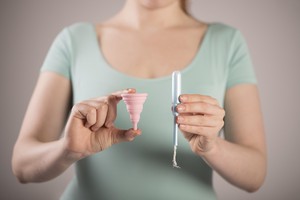
In the meantime, pay attention to your menstrual flow. A period that soaks through a pad or tampon every hour for several hours, or lasts longer than seven days, qualifies as heavy bleeding—and is a common driver of iron loss. Tracking your cycle and noting symptoms can help you and your provider make informed choices.
Note: Iron supplements can be effective, but they are not harmless. Too much iron can cause gastrointestinal distress and, over time, iron overload. Always get tested before supplementing, and never self-prescribe high-dose iron.
Iron deficiency is both common and treatable. Recognizing the signs early—before your energy, focus, and overall well-being take a bigger hit—gives you the best chance to restore your levels and feel like yourself again.