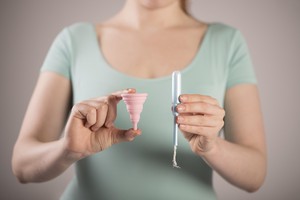
Heavy menstrual bleeding can leave you feeling drained, both literally and figuratively. When your body loses a significant amount of blood each month, your iron stores take a hit, often leading to fatigue, weakness, and brain fog. For many women, this isn't just an inconvenience—it's a monthly cycle of depletion that diet can help address. We spoke with registered dietitians to pinpoint the three most effective iron-rich foods to prioritize when your flow is heavy.
The goal isn't to self-treat anemia or replace medical advice, but rather to support your body's natural recovery. Iron from food comes in two forms: heme iron (from animal sources) and non-heme iron (from plants). Heme iron is absorbed more efficiently, which is why dietitians often recommend including strategic animal-based choices—while also maximizing plant-based options with clever pairings. Here’s what the experts suggest putting on your plate.
Why heavy periods drain your iron stores
Menstrual blood contains iron, and when you lose more than 80 milliliters of blood per cycle (the clinical definition of menorrhagia), you lose a substantial amount of the mineral. Your body needs iron to produce hemoglobin, the protein in red blood cells that carries oxygen to your tissues. Without enough iron, you can develop iron deficiency anemia, which exacerbates fatigue and can cause shortness of breath, pale skin, and heart palpitations.
While diet alone cannot fix severe anemia, consistently eating iron-rich foods helps replenish what is lost. The trick is choosing foods that deliver a meaningful amount of absorbable iron. Below, dietitians share their top three picks.
1. Red meat (especially lean beef or lamb)
Red meat is the gold standard for iron replenishment because it provides heme iron, which your body can absorb at a rate of 15 to 35 percent. A 3-ounce serving of lean beef contains about 2 to 3 milligrams of iron. More importantly, that same serving also supplies vitamin B12 and zinc, both of which support red blood cell production and immune function—two systems that work overtime during heavy bleeding.
Dietitians recommend choosing lean cuts like sirloin, flank steak, or grass-fed ground beef to keep saturated fat in check. If you don't eat red meat, organ meats like liver are even more concentrated in iron. For those who prefer poultry, dark-meat chicken or turkey (thighs and drumsticks) is a decent second-best option, though it contains less heme iron than beef.
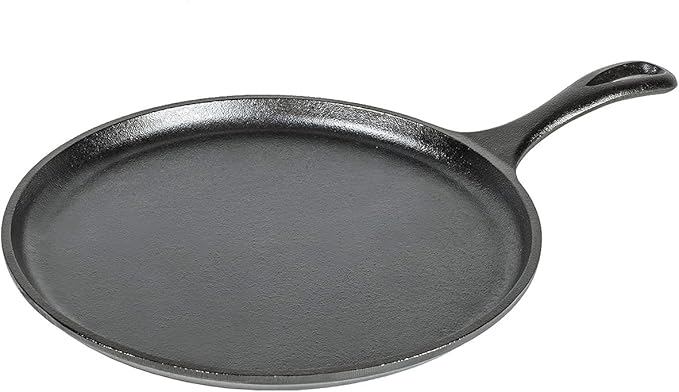
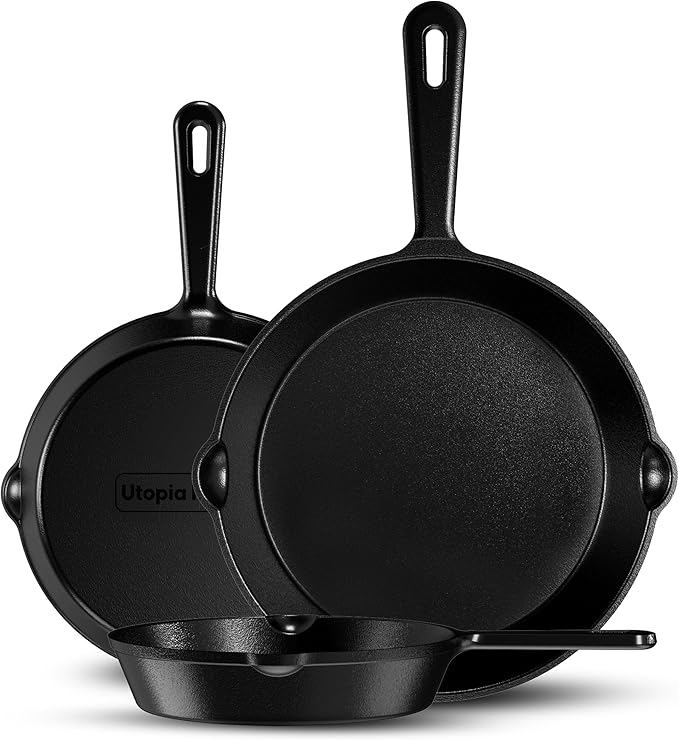
Pairing tip: Eating red meat with a source of vitamin C (like a squeeze of lemon over steak or a side of sautéed bell peppers) does not significantly boost heme iron absorption, but it's still a healthy habit. Cooking meat in a cast-iron skillet can also add a small amount of additional iron to your meal.
2. Shellfish (oysters, clams, and mussels)
Shellfish are iron powerhouses that often fly under the radar. Just 3 ounces of cooked clams or oysters can deliver 3 to 5 milligrams of heme iron—often more than a similar portion of beef. They are also rich in protein, selenium, and vitamin B12. For women with heavy periods, adding shellfish to your rotation even once a week can make a meaningful difference over time.
Dietitians note that canned clams are a convenient and affordable option. You can toss them into pasta sauces, chowders, or even omelets. Fresh mussels steam quickly and pair well with whole grains. If you are pregnant or have a shellfish allergy, obviously skip this category and focus on the other two foods on this list.
3. Leafy greens with a strategic boost (spinach, kale, and Swiss chard)
For plant-based iron, dark leafy greens are the go-to choice. One cup of cooked spinach provides about 6 milligrams of iron—but it is non-heme iron, so your body absorbs only 2 to 20 percent of it. That's where strategy comes in. Dietitians stress that eating leafy greens alone won't cut it; you need to pair them with vitamin C and avoid drinking tea or coffee at the same meal, as tannins block absorption.
Add a squeeze of lemon juice to your sautéed spinach or toss kale salad with strawberries and a citrus vinaigrette. You can also add a small amount of meat or fish to the same meal—the heme iron actually enhances non-heme iron absorption. A spinach omelet with a side of tomatoes, or lentil soup with a handful of chard, are excellent combinations that work with your body's biology.
Other smart ways to support iron levels
While these three foods are the stars, dietitians also recommend including lentils, kidney beans, pumpkin seeds, and fortified cereals if your diet is more plant-centric. Cooking in a cast-iron pan can contribute small amounts of iron to acidic foods like tomato sauce. And remember that calcium can interfere with iron absorption—so try not to consume high-calcium foods (like dairy or calcium supplements) at the same meal as iron-rich foods. Space them out by a few hours.
If you suspect your periods are excessively heavy—soaking through a pad or tampon every hour for several hours, passing large clots, or bleeding longer than seven days—talk to your doctor. They can check your ferritin levels and discuss whether you need a supplement. Diet is powerful support, but it is not a replacement for medical diagnosis or treatment.