If you live with period pain, you already know that the intensity can vary wildly from month to month. Some cycles are manageable — a dull ache that fades with a heat pad — and others knock you flat. The challenge is that pain flare-ups often feel random. Were they caused by stress? Diet? Or something else entirely?
Tracking those flare-ups alongside your period product routine can reveal patterns you might otherwise miss. By noting which products you used and when the pain peaked, you can give your healthcare provider clearer information and make more informed choices for your own comfort. Here’s how to start — without turning your life into a lab experiment.
Why pair pain tracking with your product routine?
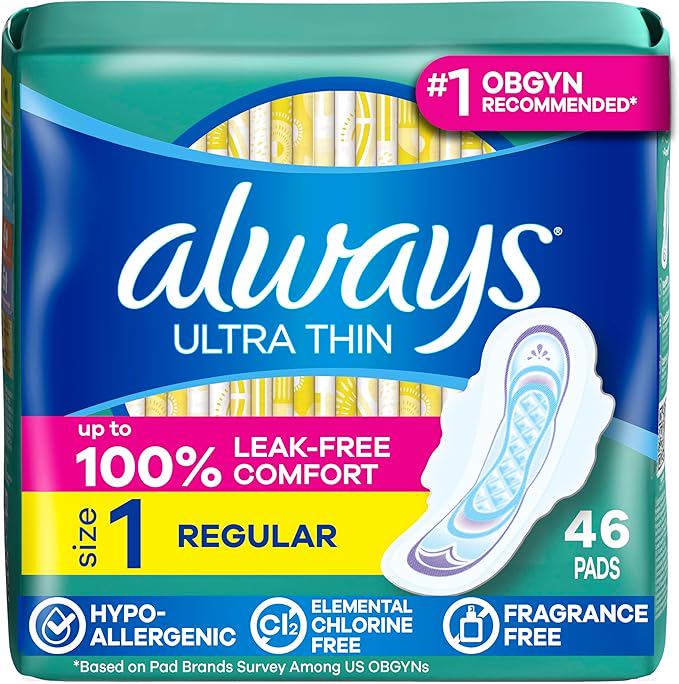
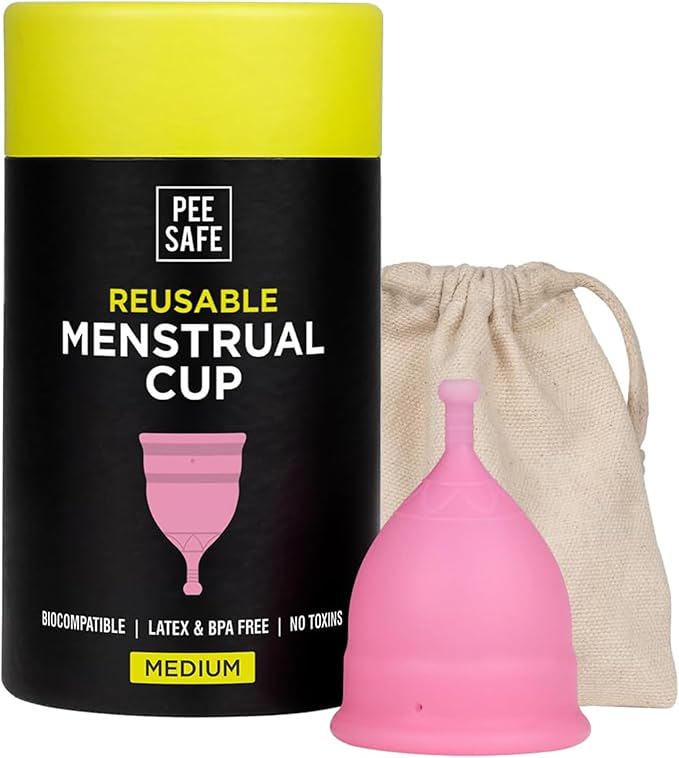
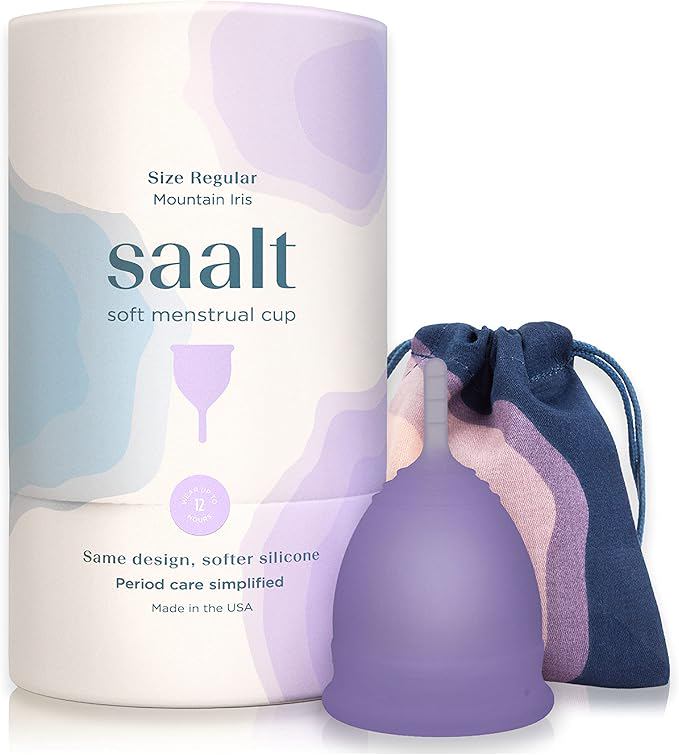
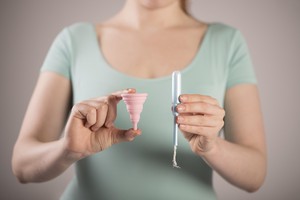
Your period product choice — whether pads, tampons, menstrual cups, discs, or period underwear — affects more than just absorption. The material, fit, and length of wear can influence how your pelvic floor feels, how much irritation you experience, and even your awareness of cramping. For instance, a menstrual cup that puts pressure on the cervix can sometimes amplify cramping in certain positions, while a pad with synthetic fragrances might irritate sensitive skin and add to your discomfort.
When you log these details, you aren't just recording pain — you are correlating it. That correlation helps you determine whether a product tweak could reduce flare-ups, or whether the pain is likely hormonal and unrelated to what you’re wearing.
What to track during each cycle
You don’t need a complicated app or a colour-coded spreadsheet. A simple notebook or a note on your phone works. The goal is consistency, not perfection. Here are the core data points to capture for each period day:
- Pain intensity (0–10 scale): Record your peak pain level each day. Be honest — no need to tough it out on paper.
- Pain location and quality: Cramping in the lower abdomen? Achy lower back? Sharp or dull? Describe it in a word or two.
- Product type and brand: Note the exact product you used (e.g., "tampon, regular absorbency, cotton-only") and when you changed it.
- Time of product change: This helps you see if wearing a product too long correlates with worse pain.
- Other symptoms: Bloating, nausea, headache, or breast tenderness can all factor into the pain picture.
A note on language: Calling it a "flare-up" doesn’t mean your pain has to be severe. Any noticeable increase from your personal baseline qualifies. Tracking it gives you data, and data gives you power.
Spotting patterns — What to look for
After two or three cycles, review your log. You might notice that flare-ups tend to happen on the heaviest flow days, or that certain product types coincide with more pain. For example, if you consistently record higher pain levels on days you used a menstrual cup, you may want to explore a softer cup or a different insertion angle. If back pain spikes when you wear a particular pad, the material or shape could be contributing.
It’s also possible that the pain flare-ups have nothing to do with the product — they may follow a day of high stress, poor sleep, or heavy exercise. That’s useful information, too. The routine helps you separate variables and understand what you can control.
When to involve a doctor
If your logs show consistently high pain levels (say, 7 or above) across multiple cycles with no clear pattern, or if the pain interferes with your daily life, bring your tracking notes to a healthcare provider. Detailed records are much more helpful than saying “I have bad cramps.” They can help your doctor assess whether you might be dealing with endometriosis, fibroids, or another condition requiring treatment beyond product adjustments.
Similarly, if a new product seems to trigger a sharp increase in pain, stop using it and note that in your log. Allergic reactions, yeast infections, or vaginal irritation from dyes or fragrances can cause pain that feels like a cramp but is actually a sensitivity issue.
Adapting your routine based on the data
Over time, your tracking may lead to small but meaningful changes. You might switch to unscented, organic cotton products on your worst days. You could try a period cup designed for sensitive bladders. Or you might decide to pre-treat with a heat pack or gentle movement on days when your log predicts a flare-up.
Remember that period products are not one-size-fits-all. A product that works fine for one person can cause irritation for another. Your tracking is your personal experiment. Let the data guide you, not social media trends or marketing claims.
Tracking pain with your period product routine isn’t about obsessing over every twinge. It’s about understanding your body better so you can move through your cycle with less guesswork and more comfort. Start small, be curious, and give yourself permission to adjust.