
Adult acne often feels like an unwelcome flashback to your teenage years. When breakouts persist well past puberty, hormones are frequently the culprit. Fluctuations in estrogen, progesterone, and androgens like testosterone can trigger excess sebum production, inflammation, and clogged pores. While topical treatments help, the foods you eat play a direct role in supporting your body’s hormonal signaling and calming the skin from the inside out.
This isn't about a restrictive diet or a quick fix. It’s about consistently choosing foods that help your endocrine system function smoothly, reduce chronic inflammation, and keep blood sugar stable—all of which can reduce the frequency and severity of hormonal breakouts. Here’s exactly what to put on your plate.
Why blood sugar stability matters for your skin
The link between your diet and your hormones starts with insulin. When you eat refined carbohydrates or sugary foods, your blood sugar spikes. Your pancreas releases a surge of insulin to bring it back down, and that insulin spike can directly stimulate androgen production. Higher androgen levels tell your sebaceous glands to produce more oil, which creates an ideal environment for Cutibacterium acnes to thrive.
To avoid this cascade, focus on meals that combine protein, healthy fat, and fiber. This trio slows glucose absorption and prevents sharp insulin spikes. Think of it as building a stable metabolic foundation for your skin.
A steady blood sugar level is one of the most effective tools you have for reducing androgen-driven breakouts.
Omega-3s: your anti-inflammatory allies
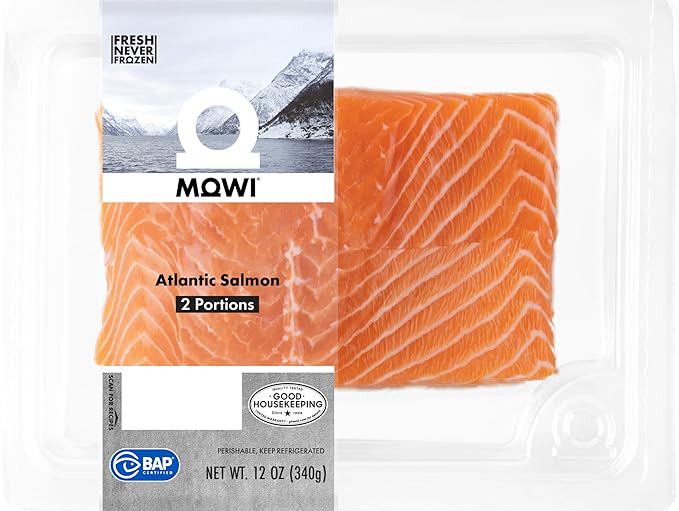
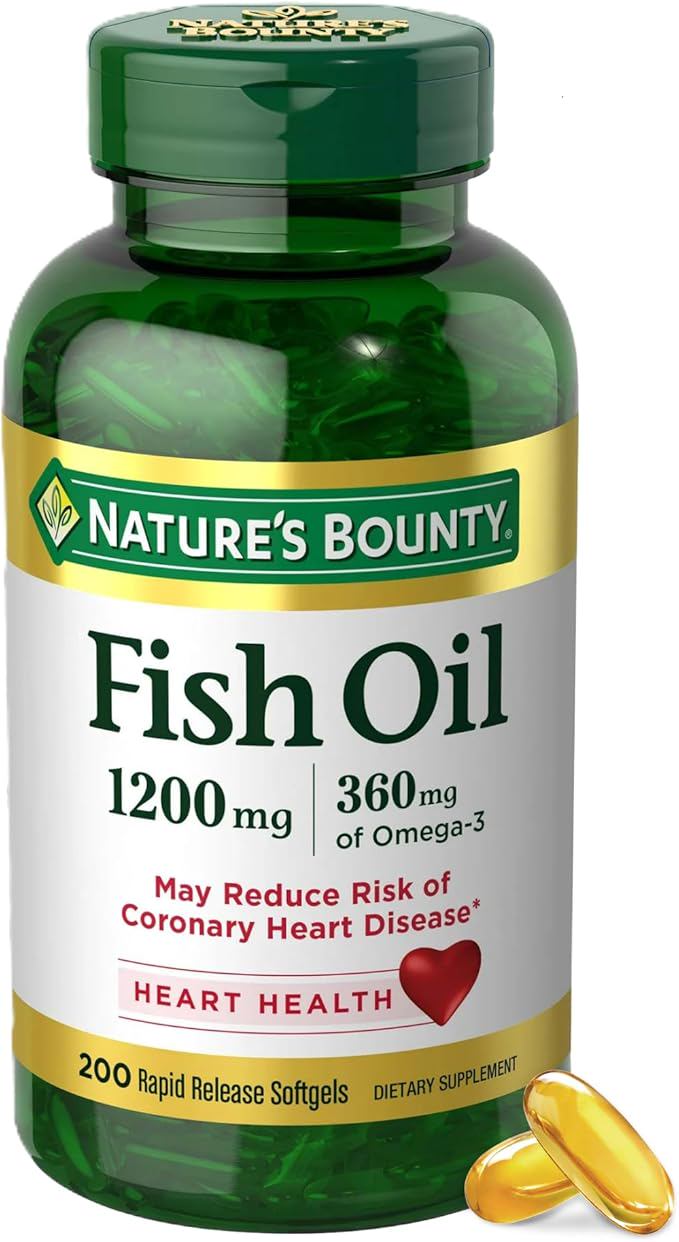
Inflammation is what turns a simple clogged pore into a red, painful pimple. Omega-3 fatty acids, particularly EPA and DHA found in fatty fish, are potent anti-inflammatory compounds. They help reduce the production of inflammatory molecules that contribute to acne lesions.
Fatty fish like salmon, mackerel, sardines, and herring are the best sources. Plant-based omega-3s from flaxseeds, chia seeds, and walnuts provide ALA, which the body converts less efficiently, so fish remains the gold standard. Aim for at least two servings of fatty fish per week as part of your regular rotation.
Zinc-rich foods to reduce breakouts
Zinc is one of the most well-researched minerals for acne management. It has natural anti-inflammatory and antibacterial properties. Zinc also helps regulate the activity of sebaceous glands and supports wound healing, which is essential for recovery after a breakout.
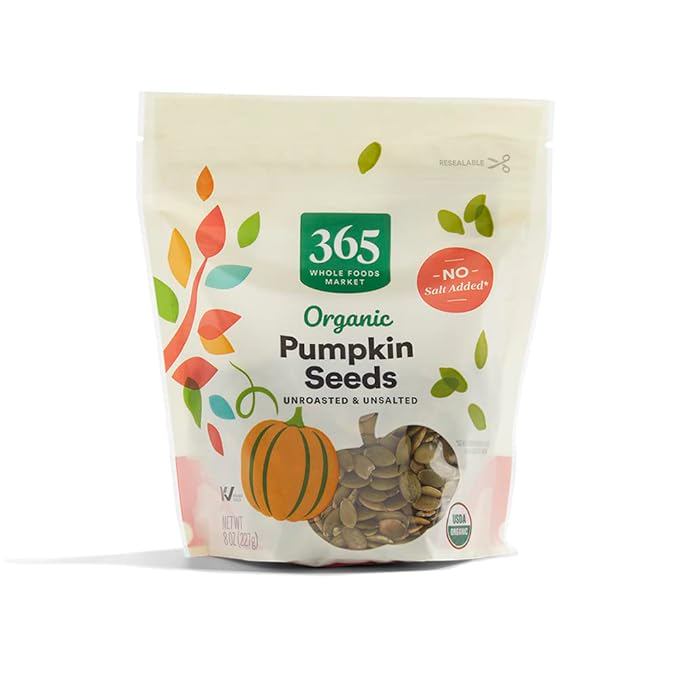
Oysters are famously high in zinc, but you can also find significant amounts in pumpkin seeds, chickpeas, lentils, beef, and hemp seeds. Even a small daily addition—like a handful of pumpkin seeds on a salad—can make a difference over time.
Foods that support estrogen detoxification
If your breakouts cluster around your menstrual cycle, estrogen metabolism may be part of the picture. The liver processes estrogen and sends it to the gut for elimination. If digestion is sluggish or the gut microbiome is unbalanced, estrogen can be reabsorbed into the bloodstream, leading to higher circulating levels that can affect skin.
Cruciferous vegetables like broccoli, cauliflower, kale, Brussels sprouts, and arugula contain compounds called glucosinolates that support the liver's detoxification pathways. They help the body process and eliminate excess estrogen more efficiently. Eating these vegetables raw or lightly steamed preserves these beneficial compounds.
Probiotics and gut-skin connection
Your gut microbiome doesn’t just influence digestion—it directly impacts hormone regulation and skin inflammation. A healthy gut helps keep estrogen, insulin, and cortisol in check. When the gut lining is compromised, inflammatory molecules can enter the bloodstream, potentially worsening acne.
Fermented foods are your best bet for building a resilient gut. Sauerkraut, kimchi, yogurt, kefir, miso, and kombucha all contain live beneficial bacteria. Include a serving of fermented food daily, but start slowly if you’re not used to them, as dramatic shifts in gut bacteria can temporarily cause bloating.
Antioxidant-rich produce for skin protection
Oxidative stress damages skin cells and worsens inflammation. Antioxidants neutralize free radicals and help protect the collagen and elastin that keep skin healthy. In the context of hormonal acne, antioxidants also reduce the oxidation of sebum, making it less irritating to the pores.
Colorful fruits and vegetables are your best source: berries, cherries, spinach, bell peppers, sweet potatoes, and carrots. Vitamin C from citrus, kiwi, and bell peppers is particularly important for collagen synthesis and skin repair. Green tea, rich in catechins, is another excellent source of antioxidants worth including daily.
Healthy fats for hormone production
Hormones are built from cholesterol and fat. If your diet is too low in healthy fats, your body cannot produce adequate amounts of steroid hormones like estrogen, progesterone, and testosterone. This can lead to imbalances that manifest as breakouts.
Avocados, olive oil, nuts, seeds, and fatty fish provide the raw materials your endocrine system needs. Include a source of healthy fat at every meal—not in large quantities, but just enough to support synthesis and absorption of fat-soluble vitamins A, D, E, and K, all of which are important for skin health.
Foods to minimize or avoid
While adding beneficial foods is the main focus, some foods can actively worsen hormonal acne. Dairy is a common trigger for some people, possibly due to growth hormones and inflammatory compounds present in milk. If you notice a connection, try a two-week elimination to see if your skin improves.
High-glycemic foods—white bread, sugary cereals, pastries, soda—are almost universally problematic for acne. They spike insulin and IGF-1, a growth hormone that boosts sebum production. Switching to whole grains and legumes instead of refined starches can make a significant difference.
Finally, excessive alcohol can disrupt liver function and hormone metabolism, while chronic high stress combined with too much caffeine can elevate cortisol, which may increase inflammation and oil production.
Building a hormone-balancing diet is not about perfection. It's about consistently choosing whole, nutrient-dense foods that support your body’s natural regulatory systems. Start with one change at a time: add a serving of fatty fish each week, swap white rice for quinoa, or top your morning oatmeal with flaxseeds and berries. Over weeks to months, these small shifts accumulate into clearer, calmer skin.