
Blackheads can feel stubborn, but your breakfast plate might be a surprisingly powerful tool in managing them. While no single meal is a cure-all, certain foods help calm inflammation, balance oil production, and support your skin's natural shedding process — all of which can reduce the formation of blackheads. Here's a closer look at two breakfasts that target acne-prone skin, plus the science behind why they work.
Why diet matters for blackheads
Blackheads form when pores clog with excess sebum and dead skin cells, then oxidize when exposed to air. Diet influences this cycle through several pathways: high-glycemic foods can spike insulin and increase sebum production, while inflammatory foods can worsen skin congestion. On the flip side, nutrients like zinc, omega-3s, and antioxidants help regulate oil and calm irritation. Choosing breakfast with these factors in mind can set your skin up for a clearer day.
Breakfast #1: Greek yogurt bowl with berries and pumpkin seeds
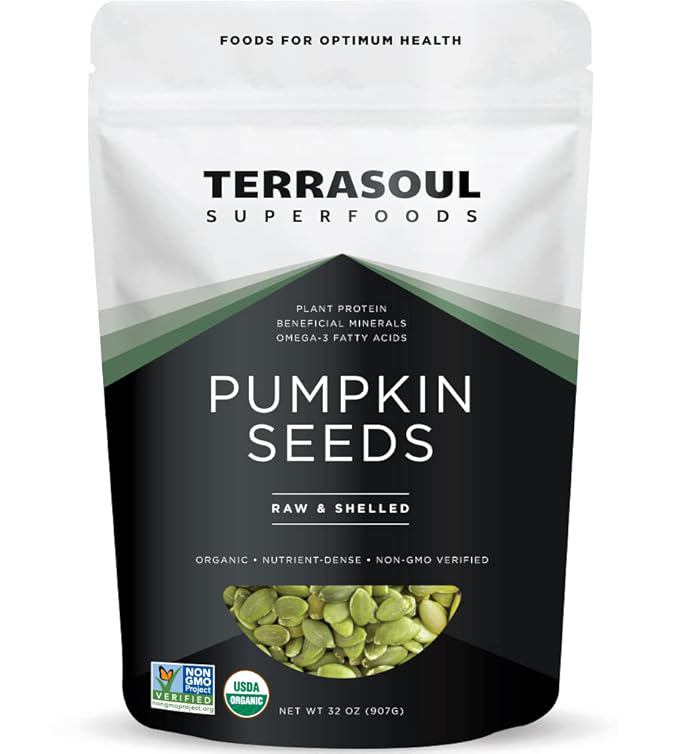
This simple bowl brings together three skin-supporting players. Plain Greek yogurt is rich in protein and probiotics, which may support a healthy gut-skin axis and reduce inflammation. Berries — especially blueberries, raspberries, and strawberries — deliver antioxidants like vitamin C and anthocyanins that protect skin cells from oxidative stress. Pumpkin seeds are an excellent source of zinc, a mineral known to help regulate sebum production and support wound healing.
Tip: Choose plain yogurt over flavored varieties to avoid added sugars that can spike insulin and aggravate breakouts.
How to build it
- 1 cup plain Greek yogurt (low-fat or full-fat, depending on your preference)
- ½ cup mixed fresh or frozen berries
- 1 tablespoon raw pumpkin seeds
- Optional: a sprinkle of cinnamon (may help with blood sugar balance)
Combine ingredients in a bowl and enjoy. This meal can be prepped in under 5 minutes, making it an easy go-to for busy mornings.
Breakfast #2: Scrambled eggs with spinach and avocado on whole-grain toast
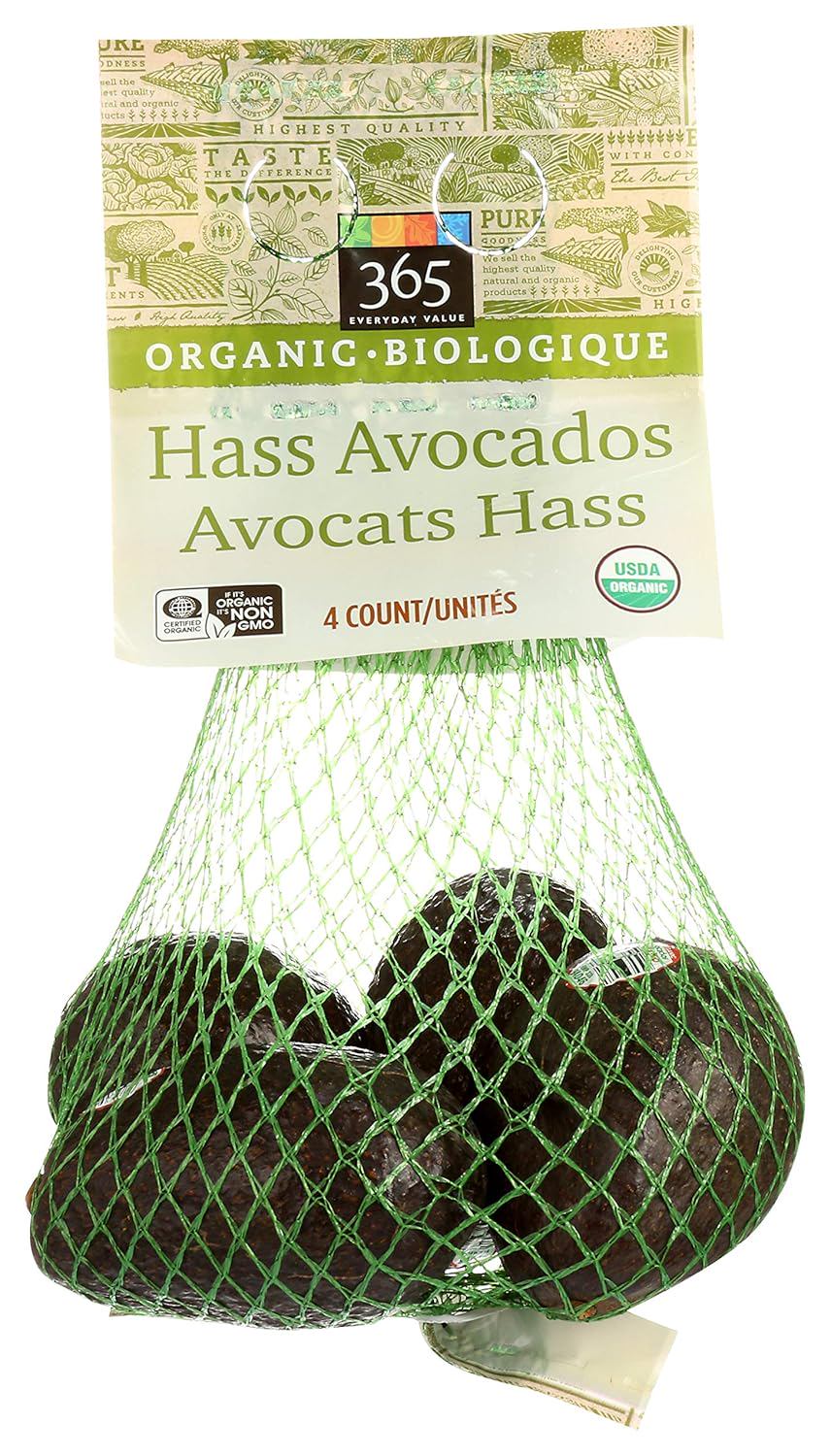
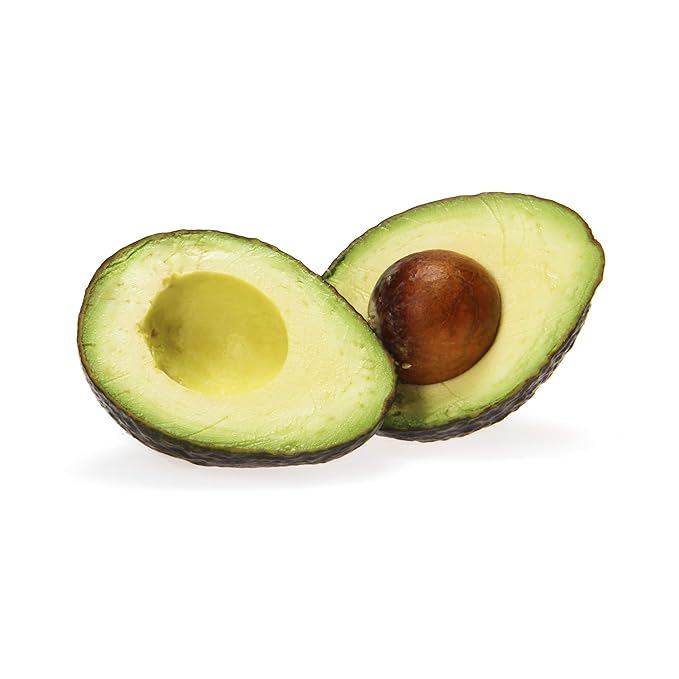
Eggs provide high-quality protein and vitamin D, both of which support skin cell turnover and repair. Spinach is loaded with vitamin A (in the form of beta-carotene) and iron — vitamin A encourages healthy skin cell regeneration, which can help prevent dead cells from clogging pores. Avocado supplies healthy monounsaturated fats and vitamin E, which help maintain skin hydration and reduce inflammation. Choosing whole-grain toast over white bread keeps the glycemic load in check, reducing the insulin spikes that can trigger excess oil.
How to build it
- 2 large eggs, scrambled in a little olive oil or avocado oil
- 1 cup fresh spinach, wilted into the eggs
- ½ small avocado, sliced
- 1 slice whole-grain or sourdough bread (look for 100% whole grain or low-sugar options)
Warm the oil in a nonstick pan, scramble the eggs, and stir in spinach until wilted. Toast the bread, top with avocado slices, and serve the eggs alongside. This breakfast takes about 10 minutes and keeps you full for hours.
What to avoid at breakfast for fewer blackheads
It's not just what you eat — it's what you skip. Breakfasts high in refined sugar and refined flour (think sugary cereal, pastries, white bagels) can cause rapid blood sugar spikes, prompting your body to produce more insulin and, in turn, more sebum. Dairy can also be a trigger for some people, though research is mixed; if you notice a pattern around milk or cheese, try cutting back for a few weeks to see if your blackheads improve.
Quick swap: Replace sweetened oatmeal packets with rolled oats cooked with a little milk or water, then top with fruit and nuts.
Other habits that help
Breakfast alone won't erase blackheads, but it works best alongside a consistent routine: gentle cleansing, using non-comedogenic skincare products, and avoiding pore-clogging ingredients. Staying hydrated and managing stress can further support balanced skin. If blackheads persist, a dermatologist may recommend topical retinoids or professional extractions.
Additional support: nutrients and supplements to consider
While food comes first, certain supplements may help reduce blackhead formation when diet falls short. Zinc (15–30 mg per day) has the strongest evidence for reducing acne severity, including blackheads. Omega-3 fatty acids from fish oil can lower inflammation. Vitamin A in the form of beta-carotene supports healthy cell turnover. Always run supplements by a healthcare provider before starting, as doses vary.
Take the pressure off
Changing a single meal is a small, sustainable step — not a complete overhaul. Focus on adding nutrient-dense foods rather than stressing about every ingredient. Over time, these breakfasts can become a reliable part of a skin-friendly routine that helps you wake up to fewer blackheads and more confidence.