Acne scars can linger long after a breakout clears, but what you put on your plate might help your skin fade those marks more effectively. Dermatologists and nutrition researchers increasingly point to specific nutrients—vitamin C, zinc, protein, and healthy fats—that support the body's natural collagen production and tissue repair. Rather than chasing expensive serums alone, building meals around these ingredients can give your skin what it actually needs to rebuild.
Below are four expert-backed meals that target the biology of scar healing. Each one is designed to be a complete, balanced option you can rotate into your weekly routine.
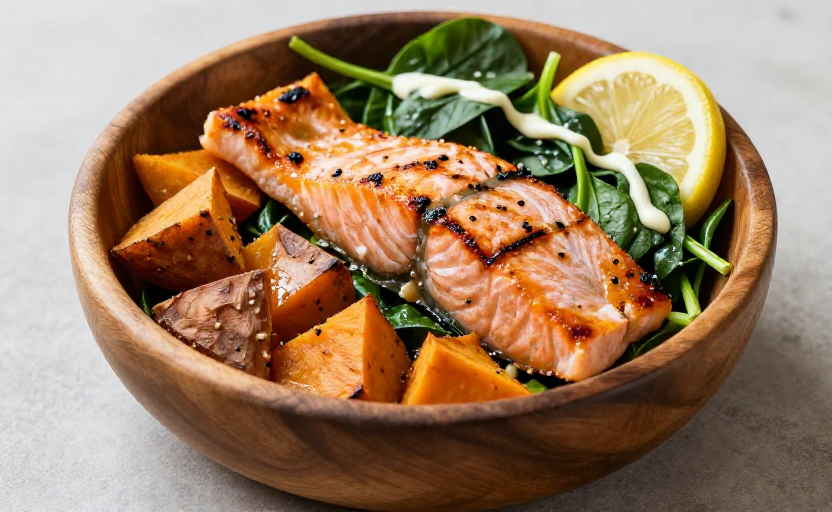
1. Salmon and sweet potato bowl with spinach
Salmon is one of the best dietary sources of omega-3 fatty acids, which help calm the low-grade inflammation that can make scars more visible and delay healing. Sweet potatoes deliver a hefty dose of beta-carotene, which the body converts to vitamin A—a nutrient essential for cell turnover and the formation of new, healthy skin tissue. Spinach adds vitamin C, a cofactor in collagen synthesis that helps ensure new scar tissue forms with better structure and strength.
Quick prep tip: Roast cubed sweet potatoes at 400°F until tender, pan-sear a wild salmon fillet, and serve over a bed of fresh spinach with a squeeze of lemon. The lemon juice boosts vitamin C absorption from the greens.
2. Turkey and avocado lettuce wraps
Lean turkey provides a concentrated source of high-quality protein and zinc. Protein supplies the amino acids your body uses to build collagen, while zinc acts as a mineral cofactor that accelerates wound healing and helps prevent the breakdown of existing collagen. Avocado brings monounsaturated fats and vitamin E—fat-soluble antioxidants that protect cell membranes from oxidative damage that can worsen scar appearance.
Why this works: Many people skimp on protein at lunch, but scar repair is a protein-intensive process. A single wrap made with 4 ounces of sliced turkey, half an avocado, and crisp lettuce delivers roughly 30 grams of protein plus a meaningful dose of zinc and vitamin E.
3. Citrus and berry quinoa salad
Quinoa is one of the few plant foods that contains all nine essential amino acids, making it a complete protein for collagen building. Pair it with oranges, strawberries, or kiwis—all rich in vitamin C—and you create a meal that directly supports fibroblast activity, the cells that lay down new collagen fibers in healing skin. A handful of pumpkin seeds adds additional zinc and copper, another trace mineral involved in cross-linking collagen strands.
Make it a meal: Cook quinoa and let it cool, then toss with segmented orange, sliced strawberries, chopped mint, and a light lime vinaigrette. Top with toasted pumpkin seeds and crumbled feta if dairy is well tolerated.
4. Stir-fried beef with bell peppers and broccoli
Beef is among the richest dietary sources of heme iron, which is important for oxygen delivery to healing tissue. It also provides high amounts of zinc and the amino acid glycine, both directly involved in collagen formation. Red and yellow bell peppers contain more vitamin C per gram than citrus fruits, and broccoli adds sulforaphane—a compound that may help protect skin cells from UV damage that can darken existing scars.
Cooking note: Slice beef thinly against the grain, stir-fry quickly over high heat to retain tenderness, and add bell peppers and broccoli florets only in the last two minutes so they stay crisp and retain their vitamin C.
What the research actually shows
Nutrient-based support for scar reduction is built on a solid foundation of wound-healing science, but with important caveats. The studies that connect diet to scar improvement are largely mechanistic or observational: we know that vitamin C deficiency leads to poor wound healing, and that zinc supplementation can speed recovery in people who are deficient. However, no single food or meal will erase a scar on its own. Consistent intake of these nutrients over weeks and months, combined with sun protection and a good skincare routine, gives your skin the best chance at remodeling scar tissue.
A practical note from dermatologists: Dietary choices support healing, but they cannot replace sun protection. UV exposure darkens scar tissue and slows the fading process, so daily broad-spectrum sunscreen is non-negotiable if you're trying to reduce the appearance of acne scars.
How to incorporate these meals without burnout
Rotating these four meals throughout the week covers the core nutrients your skin needs. You don't need to follow them rigidly—swap salmon for sardines or mackerel, turkey for chicken or lentils, quinoa for farro, beef for bison or lamb. The principle is the same: pair a high-quality protein or complete protein source with foods rich in vitamin C, zinc, and antioxidants. Aim for at least three to four servings per week of meals built around this pattern, and give it at least eight to twelve weeks before expecting visible changes in scar texture or color.