If you’re navigating adult acne, you’ve likely felt the frustration of a skincare routine that works one week and fails the next. The mirror reflects more than just skin; it can feel like a report card on your stress, sleep, and yes, what’s on your plate. While no single food is a magic bullet or a villain, the pattern of your overall diet creates an internal environment that either soothes or stirs inflammation—a key driver behind those persistent breakouts.
Think of your skin not as a separate organ, but as a visible extension of your gut and immune system. What you eat sends signals throughout this network. The goal isn’t a restrictive ‘acne diet,’ but a nourishing, sustainable way of eating that supports your skin’s health from the inside out.
How does food actually influence adult acne?
The link between diet and acne was debated for years, but modern research points to several clear pathways. Primarily, certain foods can spike your blood sugar rapidly. This triggers a cascade of hormones, including insulin and insulin-like growth factor 1 (IGF-1), which can increase oil production and accelerate skin cell growth, potentially clogging pores.
This process also fans the flames of systemic inflammation. Chronic, low-grade inflammation is now understood to be a central player in adult acne. Meanwhile, the gut-skin axis—the communication network between your digestive system and your skin—means that a happy, diverse gut microbiome can help modulate inflammation, while an unhappy one may contribute to it.
The conversation has shifted from ‘greasy food causes greasy skin’ to understanding how dietary patterns influence hormones, inflammation, and gut health.
Foods to embrace for a clearer complexion
Building your meals around these elements can create a foundation for calmer skin.
Colorful fruits and vegetables
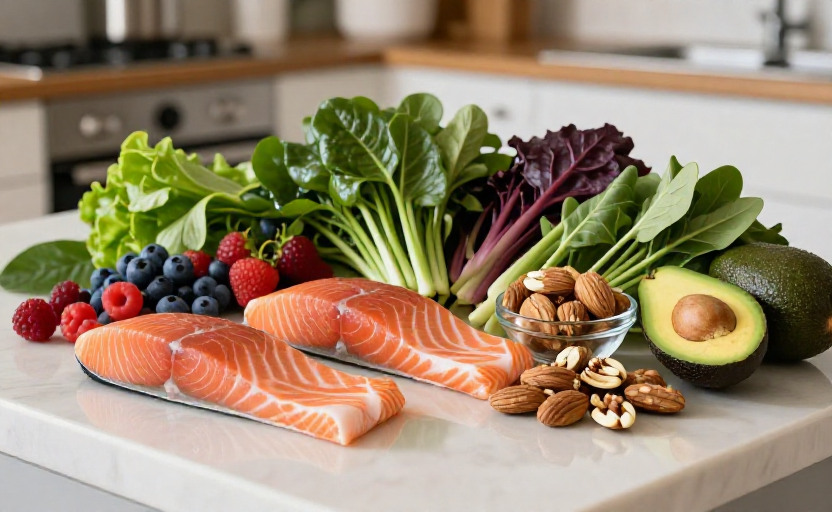
These are your primary sources of antioxidants and polyphenols, compounds that combat oxidative stress and quiet inflammation. The vibrancy of a berry, the deep green of spinach, or the bright orange of a sweet potato signals the presence of skin-supporting nutrients like vitamins A, C, and E.
Aim for a rainbow. Each color family offers different phytochemicals. Don't just stick to one green; rotate through kale, Swiss chard, arugula, and romaine.
Healthy fats, especially omega-3s
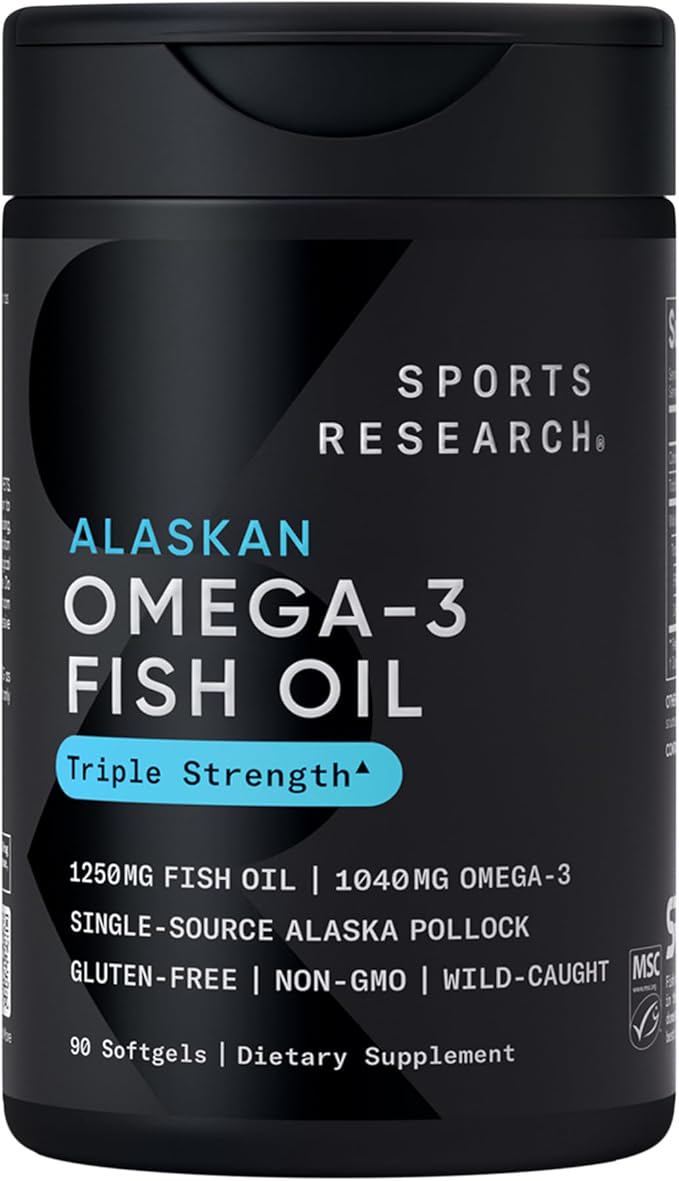
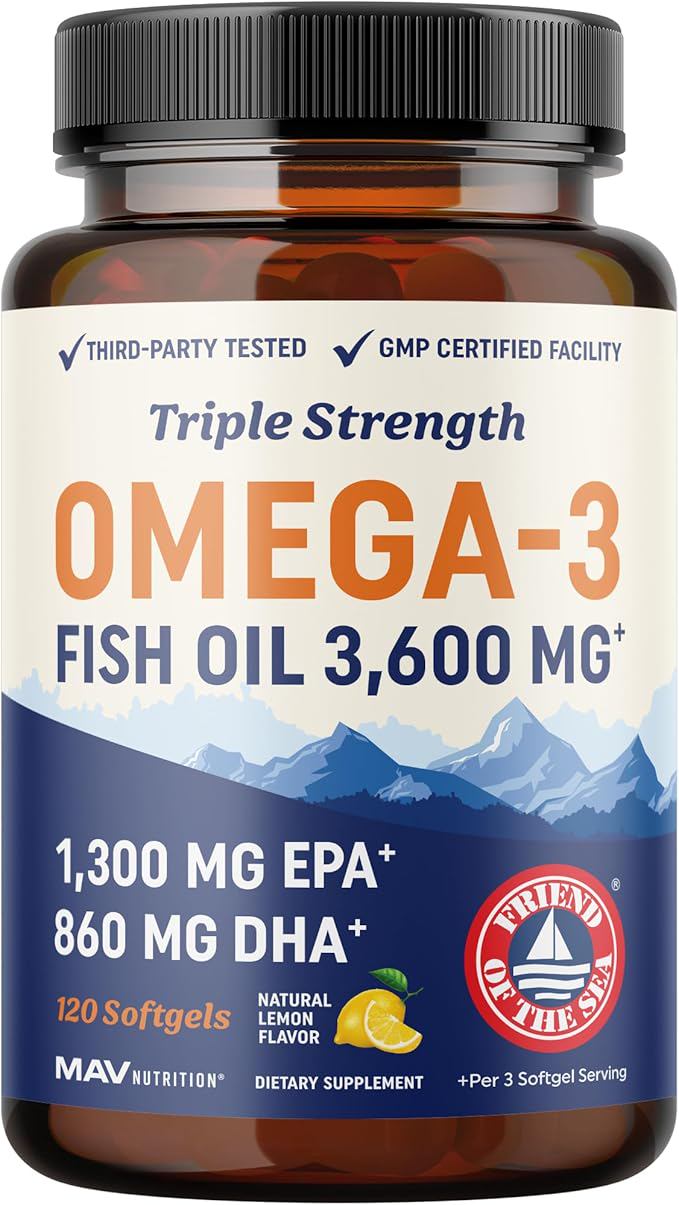
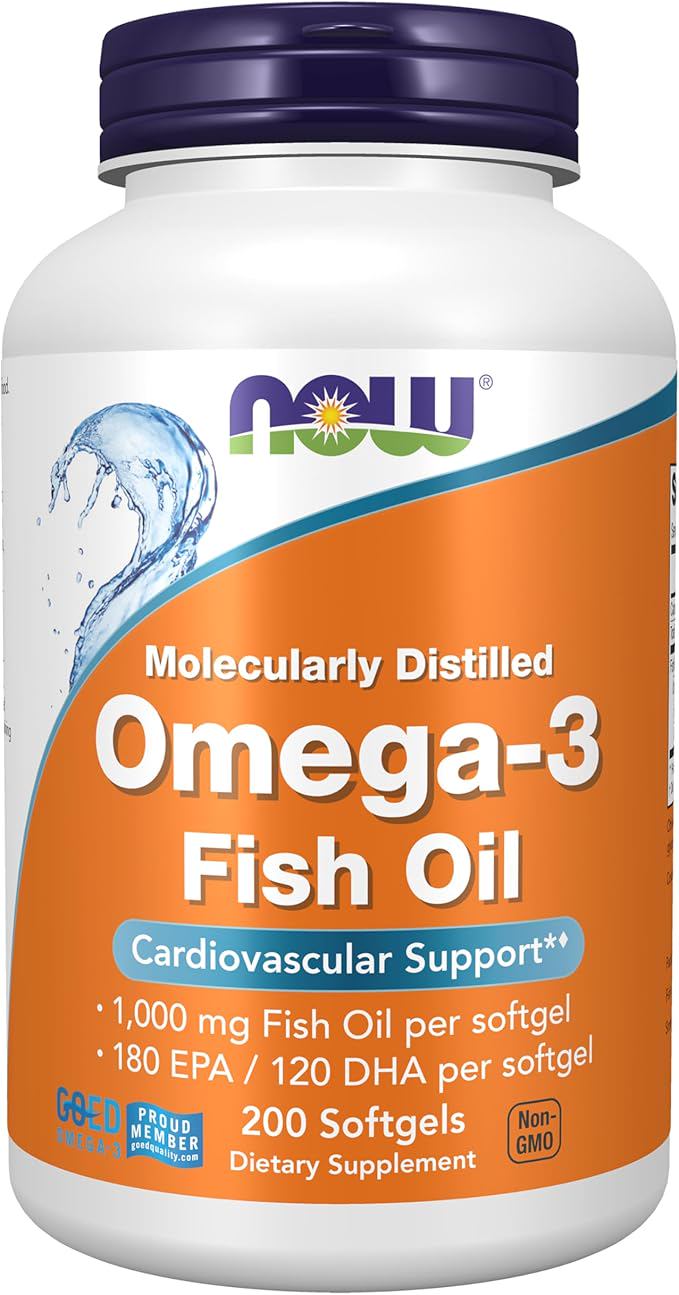
Omega-3 fatty acids are powerfully anti-inflammatory. They help balance the body's inflammatory response and support the skin's lipid barrier, keeping it hydrated and resilient. Excellent sources include:
- Fatty fish like salmon, mackerel, sardines, and anchovies
- Walnuts and flaxseeds (ground is best for absorption)
- Chia seeds and hemp seeds
High-quality protein and fiber
Protein provides the amino acids needed for skin repair and regeneration. Pairing it with fiber from vegetables, legumes, and whole grains helps slow digestion, preventing those rapid blood sugar spikes. This combination is key for stable energy and stable skin.
Lentils, chickpeas, black beans, quinoa, and tofu are fantastic plant-based options that deliver both protein and fiber.
Fermented foods for gut diversity
Supporting your gut microbiome is a direct line to supporting your skin. Regularly incorporating fermented foods introduces beneficial bacteria.
- Plain yogurt with live cultures (watch for added sugars)
- Kefir
- Kimchi and sauerkraut (refrigerated, not canned)
- Kombucha (in moderation, due to acidity and sugar content)
Foods to be mindful of
It’s not about banning foods, but understanding their potential impact so you can make informed choices. Notice how your skin feels a day or two after consuming these commonly identified triggers.
High-glycemic foods
These are refined carbohydrates that break down quickly into sugar. A diet consistently high in these foods is most strongly linked to acne exacerbation.
- White bread, bagels, pastries
- Sweetened cereals
- White rice and pasta
- Sugary snacks, candy, and sodas
This doesn’t mean all carbs are off-limits. Choosing whole-grain versions, pairing carbs with protein and fat, and focusing on whole foods naturally lowers the glycemic load of your meal.
Dairy, particularly skim milk
The research on dairy and acne is mixed but notable, with skim milk showing the strongest correlation for some individuals. The theory involves the hormones and growth factors naturally present in milk, which may interact with our own. If you suspect dairy is a trigger, try eliminating it for 3-4 weeks, then reintroduce it to observe any changes. Not everyone will be sensitive.
Inflammatory fats
While omega-3s are helpful, a diet overloaded with omega-6 fatty acids can promote inflammation. The modern diet tends to be heavy in these, found in:
- Many processed snack foods
- Fried foods
- Certain vegetable oils like corn, soybean, and sunflower oil used in high amounts
Balance is the goal, not elimination. Cooking with olive or avocado oil and minimizing processed foods helps shift this ratio.
Putting it together: a day of eating for your skin
This isn’t a rigid meal plan, but an example of how these principles translate to real meals.
Breakfast: A bowl of plain Greek yogurt topped with mixed berries, a sprinkle of walnuts, and a drizzle of honey. The protein, probiotics, antioxidants, and healthy fats make it a skin-supporting powerhouse.
Lunch: A large salad with mixed greens, grilled salmon, quinoa, avocado, cherry tomatoes, and a lemon-tahini dressing. It’s packed with fiber, omega-3s, and a variety of colors.
Dinner: A stir-fry with chicken or tofu, broccoli, bell peppers, snap peas, and mushrooms over a small portion of brown rice. Use ginger, garlic, and tamari for flavor.
Hydration: Don’t underestimate water. Herbal teas like green tea (rich in antioxidants) are also excellent choices throughout the day.
Progress over perfection. One ‘off-plan’ meal won’t undo weeks of nourishing habits. Consistency in your overall pattern matters most.
Beyond the plate: essential partners to your diet
Food is a powerful lever, but it works in concert with other lifestyle factors. Chronic stress elevates cortisol, which can increase oil production. Prioritizing sleep allows your skin time to repair and regenerate. A gentle, consistent skincare routine that doesn’t strip your skin barrier is the essential external counterpart to your internal work.
If your acne is severe, painful, or causing scarring, please consult a dermatologist. They can provide treatments that work synergistically with dietary changes. A registered dietitian can also help you personalize a nutrition plan that addresses your unique needs and preferences.