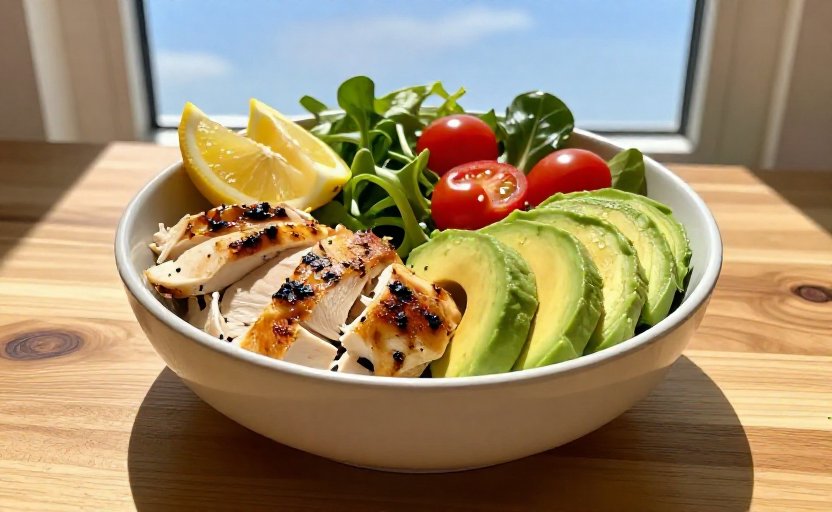
Let's be honest: the mid-afternoon slump after a carb-heavy lunch is all too familiar. You eat, you feel full for a moment, and then an hour later you're reaching for a snack and fighting to keep your eyes open. If you are trying to cut back on carbs, lunch becomes the most important meal to get right. A truly filling low-carb lunch is not about deprivation; it is about choosing the right combination of foods that keep you satisfied, focused, and energized until dinner.
We spoke with nutrition experts to break down exactly what makes a low-carb lunch actually work. The secret isn't just removing bread and pasta. It is about building a plate that leverages protein, healthy fats, and fiber-rich vegetables to stabilize your blood sugar and keep hunger at bay.
Why Most Low-Carb Lunches Fail
The biggest mistake people make is simply removing the carbs without adding anything substantial in their place. A sad salad of lettuce and a few cherry tomatoes might be low in carbs, but it is also low in staying power. Without enough protein, fat, and volume from fibrous vegetables, your blood sugar can dip, leaving you irritable and craving sugar by 3 PM.
Build Your Plate Around Protein
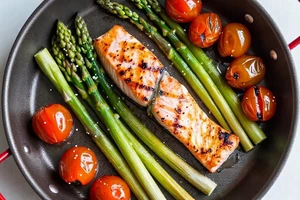
Every satisfying low-carb lunch needs a solid protein base. Protein is the most satiating macronutrient. It triggers the release of hormones that signal fullness and helps maintain steady blood sugar levels. Good options include grilled chicken, salmon, tuna, hard-boiled eggs, or firm tofu. Aim for a portion that fits in the palm of your hand. This is the foundation that tells your brain you have actually eaten a meal.
Don't Skimp on Healthy Fats
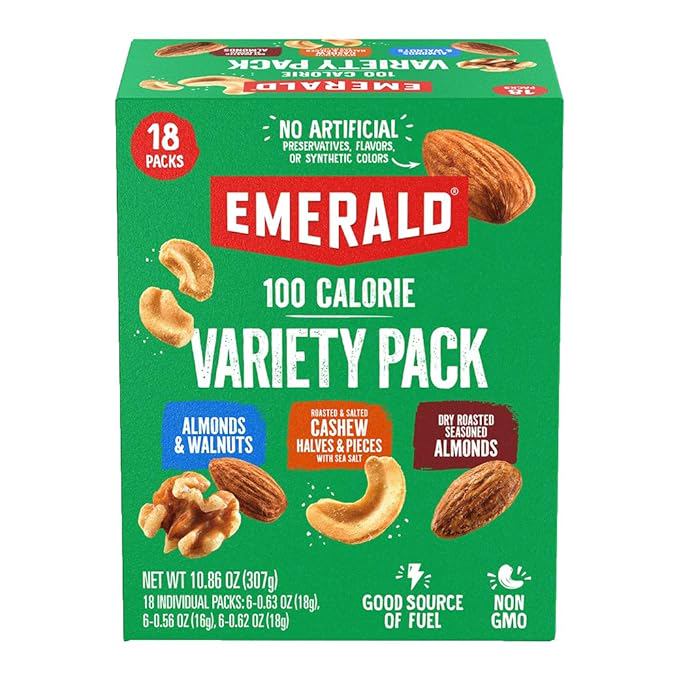
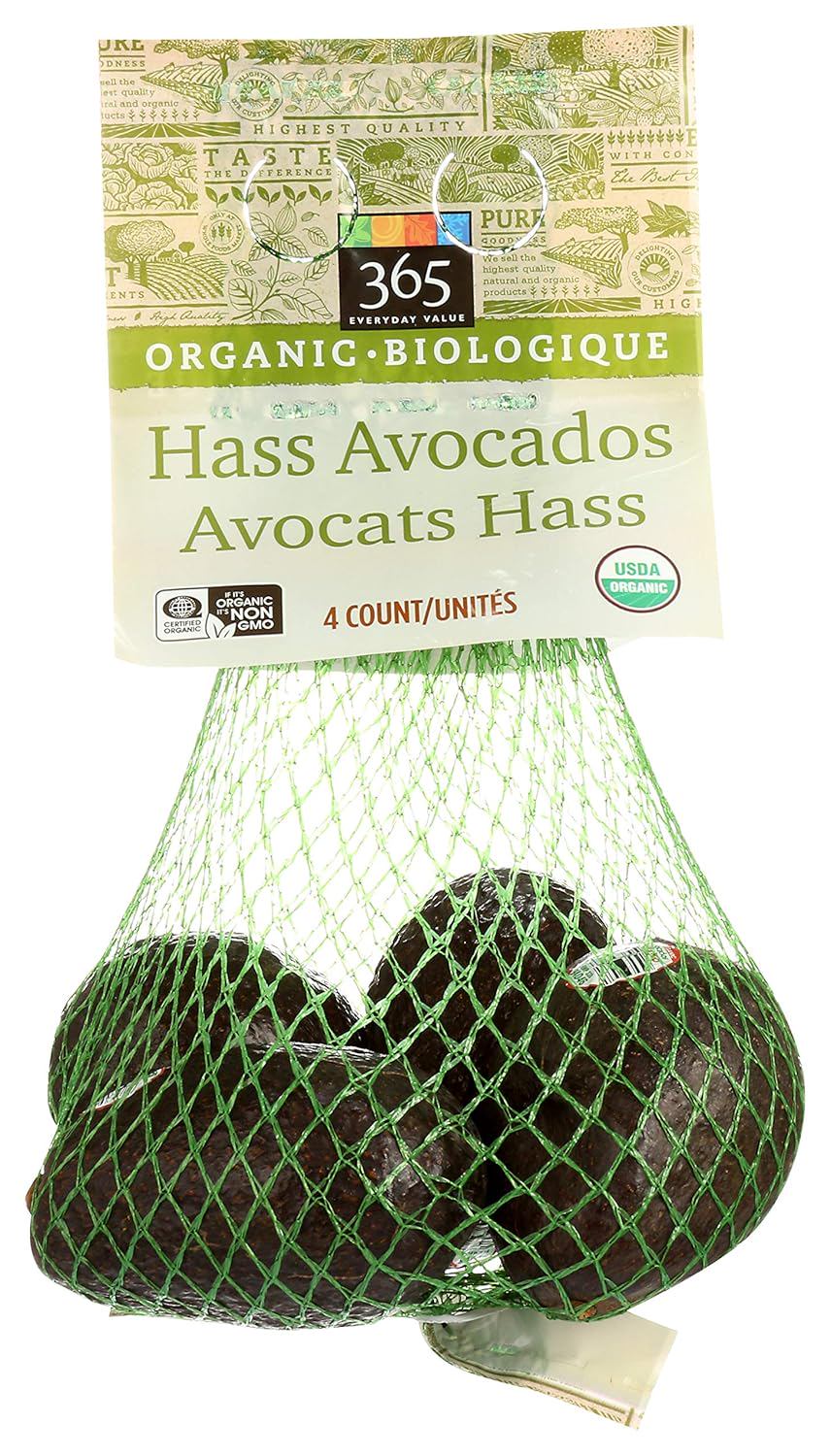
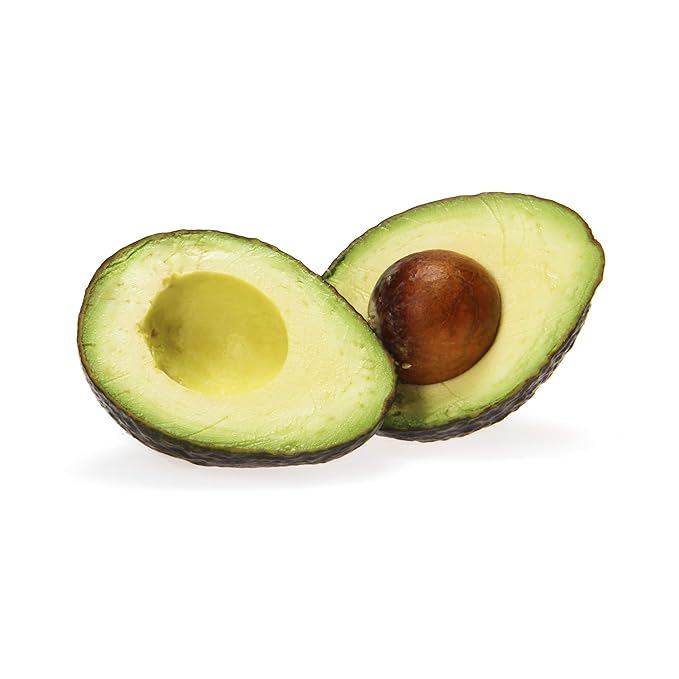
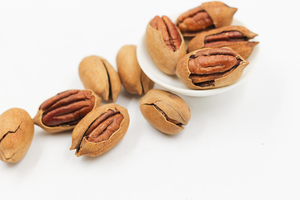
Fat is your friend in a low-carb lifestyle, as long as you choose the right kinds. Healthy fats slow down digestion, which keeps you full longer and provides a steady stream of energy. Think avocado slices drizzled with olive oil, a handful of walnuts or almonds, or a dressing made with full-fat yogurt or tahini. A moderate amount of cheese can also add flavor and richness.
A simple rule: if your lunch is only lean protein and greens, add a source of fat. Your energy levels will thank you later.
Load Up on Non-Starchy Vegetables
Low-carb does not mean no-vegetables. In fact, non-starchy vegetables should take up the most space on your plate. These are your leafy greens (spinach, arugula, romaine), cruciferous veggies (broccoli, cauliflower, Brussels sprouts), and other options like cucumber, bell peppers, and zucchini. They provide bulk, important vitamins, and fiber that aids digestion and contributes to fullness without adding many net carbs.
Smart Low-Carb Swaps for Common Lunch Staples
You don't have to give up your favorite lunch formats. Think about replacing the high-carb vehicle with a low-carb base:
- Instead of a sandwich wrap, use large lettuce leaves or collard greens for a wrap.
- Instead of a grain bowl, use cauliflower rice or a bed of mixed greens.
- Instead of noodles, try zucchini noodles (zoodles) or shirataki noodles.
- Instead of croutons, add crunch with seeds (pumpkin, sunflower) or chopped nuts.
Sample Filling Low-Carb Lunch Ideas
Putting it all together is easier than you think. Here are a few expert-approved combinations that hit the right balance:
- Grilled Chicken & Avocado Salad: Romaine lettuce topped with grilled chicken, half an avocado, cucumber, cherry tomatoes, and a dressing of olive oil and lemon juice.
- Egg Salad Lettuce Wraps: Hard-boiled eggs mashed with full-fat Greek yogurt or avocado, served in butter lettuce cups with a side of bell pepper strips.
- Salmon & Zucchini Noodles: Pan-seared salmon over zucchini noodles tossed with pesto and cherry tomatoes.
- Beef & Broccoli Bowl: Leftover stir-fried beef and broccoli served over cauliflower rice.
Watch Out for Hidden Carbs
Even when you are trying to eat low-carb, certain foods can sneak extra carbs into your lunch. Be mindful of sauces like ketchup, barbecue sauce, and some salad dressings, which often contain added sugar. Also, check labels on pre-made items like protein bars or flavored yogurts. When in doubt, stick to whole, single-ingredient foods that you prepare yourself.
The goal of a low-carb lunch is not to be perfect. It is to build a meal that nourishes you, keeps your energy stable, and prevents you from feeling deprived. By starting with protein, adding healthy fat, and filling the rest with colorful vegetables, you set yourself up for a productive, focused afternoon without the crash.