If your afternoon slump hits like clockwork, the snack you reach for might be part of the problem. Many popular options—chips, sugary bars, fried bites—send your blood sugar on a roller coaster. You get a quick lift, then a crash that leaves you more tired than before. The good news is that a few simple swaps can keep your energy steady from breakfast to bedtime.
We looked at expert recommendations and real-world recipe tweaks that transform high-calorie, low-nutrient snacks into something both satisfying and fueling. Here are three snack swaps that work.
1. Swap Fried Bread Pakora for a No-Bread, Baked Version
A beloved Indian snack, bread pakora is typically dipped in spiced gram-flour batter and deep-fried. Chef Kunal Kapur created a version that skips both the bread and the oil bath. His method uses a sandwich maker to cook a thick batter of gram flour (besan), yogurt, onions, ginger, green chilies, and spices into a crispy, golden disc. It’s naturally gluten-free and much lighter than the original because you control the fat.
Why this works for energy: Fried foods require more digestive effort, which can divert blood flow away from your brain and make you feel sluggish. By baking or griddling instead of deep-frying, you get the spice-filled, crunchy texture without the heavy after-meal fatigue. The protein and fiber from gram flour also help slow down carbohydrate digestion, providing a more gradual release of energy.
Tip to try: Pair a slice of this baked pakora with a fresh tomato-coriander chutney (blend coriander, tomatoes, ginger, mint, lemon juice, and cumin) for a dose of vitamin C and antioxidants that further support steady energy.
2. Swap Sugary Energy Bars for a Savory Chickpea Snack
Many store-bought energy bars are little more than candy bars in disguise—packed with added sugars that spike blood glucose. Instead, reach for savory roasted chickpeas. You can make them at home by draining canned chickpeas, tossing them with olive oil, cumin, smoked paprika, and salt, then roasting at 400°F until crispy (about 30 minutes). They provide a satisfying crunch and a savory flavor that satisfies cravings without the sugar rush.
Chickpeas deliver both complex carbohydrates and plant-based protein, which working together can keep blood sugar stable. One serving (about half a cup) contains roughly 7 grams of protein and 6 grams of fiber. That combination is exactly what promotes prolonged satiety and consistent energy.
If you prefer something even simpler, a handful of edamame (steamed or dry-roasted) offers similar benefits with a slightly different texture.
3. Swap Sugary Yogurt for a High-Protein Yogurt Bowl with Nuts
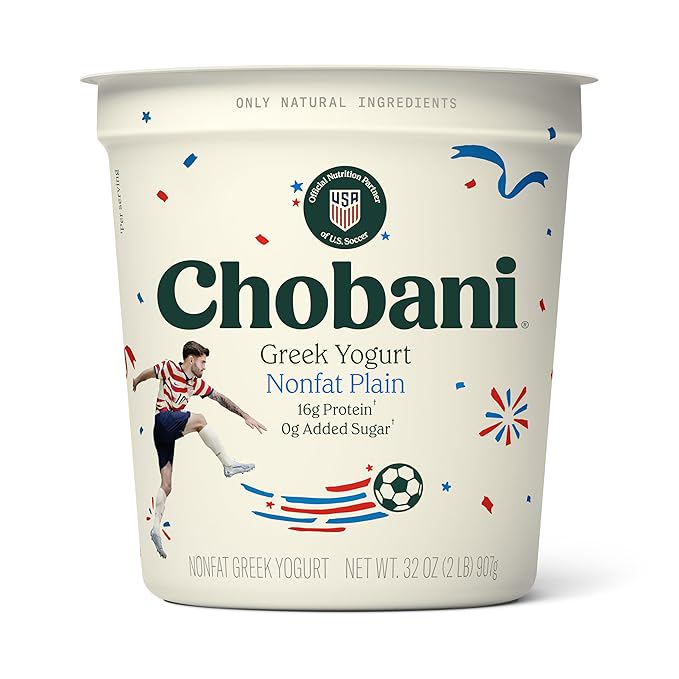
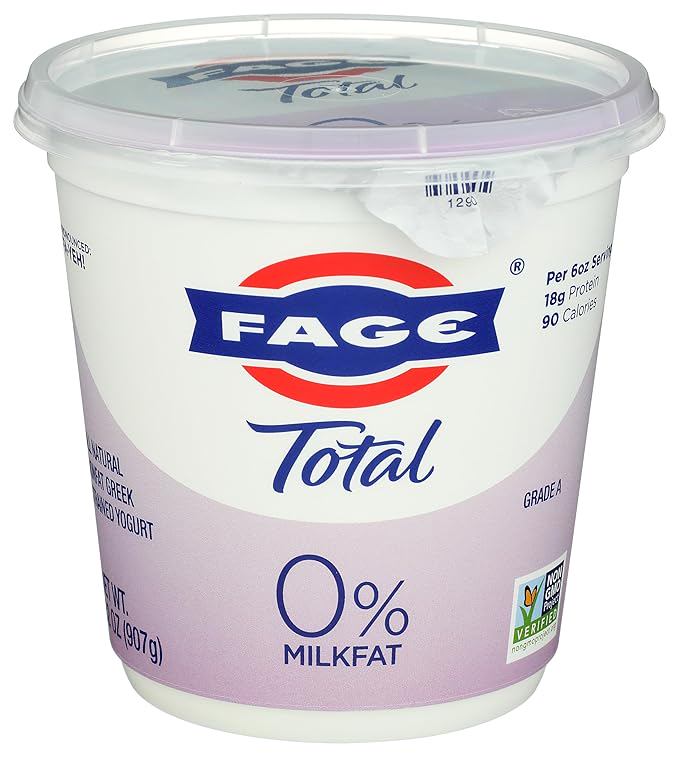
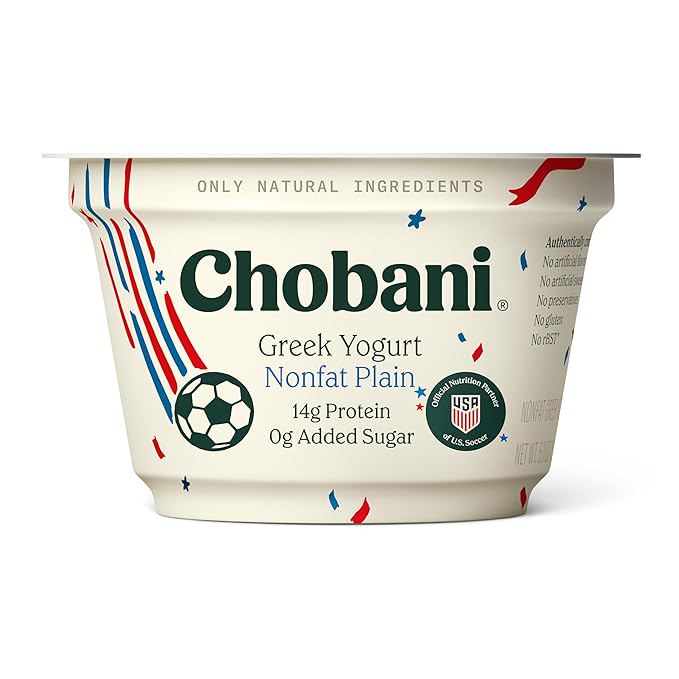
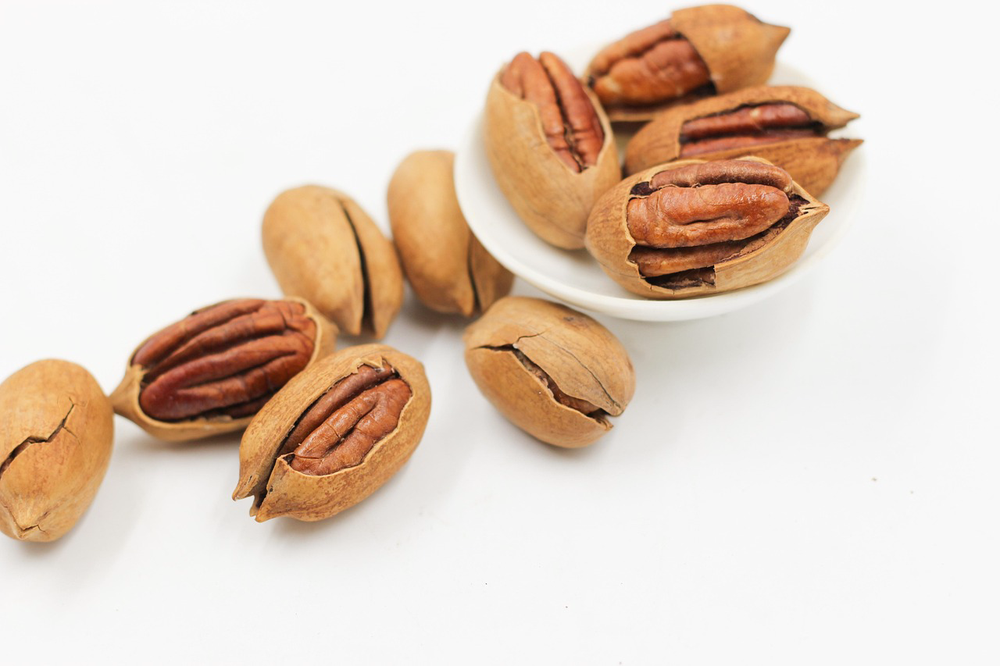
Flavored yogurts often contain more sugar per serving than a glazed donut. Instead, choose plain Greek or Skyr yogurt—both deliver around 15–20 grams of protein per cup. Top it with a small handful of almonds or walnuts (about an ounce) and a few berries. This combination provides protein, healthy fats, and fiber, all of which help regulate blood sugar and keep you full for hours.
The protein in yogurt also supports the production of neurotransmitters like dopamine and norepinephrine, which influence focus and alertness. The fat from the nuts slows gastric emptying even further, meaning the energy from the meal unfolds over time instead of hitting you all at once.
Why Small Swaps Make a Big Difference
Energy dips are often caused by rapid changes in blood glucose followed by an insulin surge. Snacks that pair protein with fiber and a modest amount of complex carbohydrates help buffer that spike. Even one substitution per day can flatten the afternoon crash and help you avoid reaching for caffeine or more sugar to get through the day.
The three swaps above are backed by basic nutrition science and come from real cooking adaptations—like chef Kapur’s baked pakora—that prove healthier doesn’t mean less delicious.