
A resilient skin barrier is the bedrock of a healthy, even-toned complexion. When that barrier is well-nourished, skin holds moisture better, bounces back from irritation more quickly, and looks visibly calmer and more supple. While a targeted skincare routine helps, what you put on your plate matters just as much. Dietitians point to four standout foods that directly support the lipids, proteins, and microbiome that keep your barrier strong.
Why your diet matters for skin barrier health
The outermost layer of your skin — the stratum corneum — is made up of dead skin cells held together by a lipid matrix. That matrix relies on essential fatty acids, ceramides, and antioxidants that your body cannot always produce on its own. When you're low on these building blocks, the barrier becomes porous and inflammation-prone. Foods rich in healthy fats, zinc, and polyphenols give your skin the raw materials it needs to repair and defend itself.
Fatty fish: a direct source of omega-3s
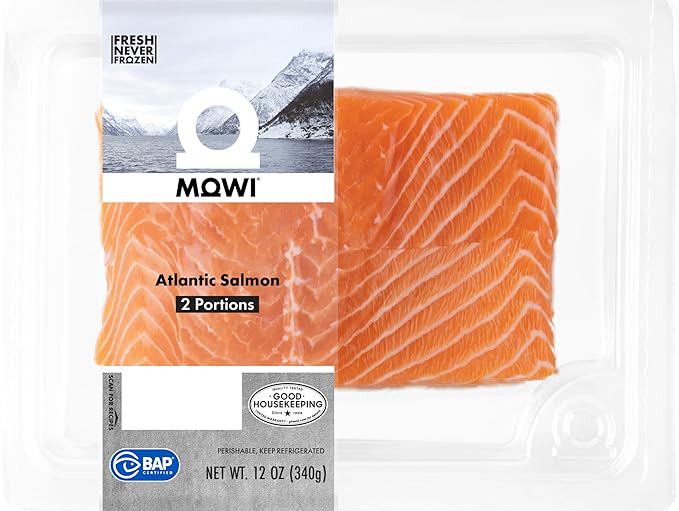
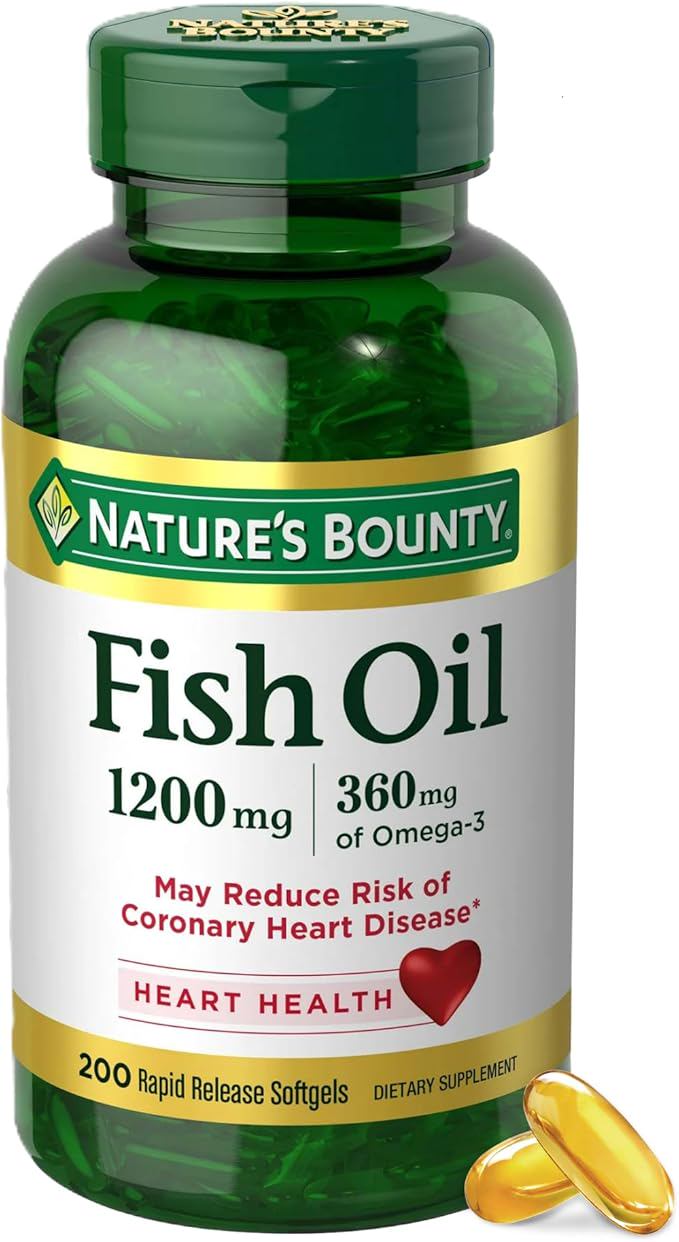
Salmon, mackerel, sardines, and anchovies are among the best dietary sources of long-chain omega-3 fatty acids, specifically EPA and DHA. These fats integrate directly into skin cell membranes, helping to regulate oil production, reduce inflammatory signals, and support the skin's natural moisture barrier. A 2022 review in Nutrients found that EPA and DHA supplementation improved skin barrier recovery and reduced irritation in people with sensitive skin. Dietitians often recommend two servings of fatty fish per week — about six ounces total — to maintain adequate levels.
Avocados: healthy fats plus vitamin E
Avocados are rich in monounsaturated fats and vitamin E, a fat-soluble antioxidant that protects skin lipids from oxidative damage. Each avocado contains roughly 10 milligrams of vitamin E, which is about 67% of the daily reference intake. Studies suggest that dietary vitamin E accumulates in the stratum corneum over time, reinforcing the barrier against UV stress and environmental pollutants. For people who don't eat fish, avocados offer a plant-based way to boost dietary fat intake for skin health. Adding half an avocado to a meal also improves the absorption of other fat-soluble antioxidants from vegetables eaten at the same meal.
Nuts and seeds: zinc and essential fatty acids
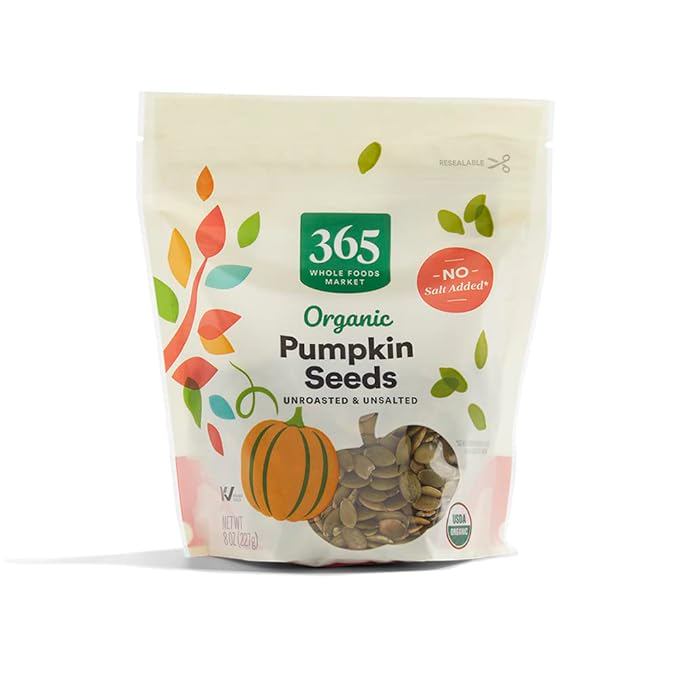
Walnuts, flaxseeds, chia seeds, and pumpkin seeds are concentrated sources of alpha-linolenic acid (ALA), a plant-based omega-3 that the body partially converts to EPA. Pumpkin seeds, in particular, are one of the best food sources of zinc — a mineral essential for wound healing and new skin cell production. A zinc deficiency can show up as delayed healing, increased transepidermal water loss, and more frequent breakouts. A small handful of seeds (about one ounce) provides around 2 to 3 milligrams of zinc, or 20 to 30% of the daily recommended intake for adults. Dietitians suggest rotating different seeds throughout the week for a broader range of micronutrients.
Fermented foods: gut-skin axis support
Kimchi, sauerkraut, kefir, yogurt, and miso contain live probiotics that influence the gut microbiome, which in turn communicates with the skin via the gut-skin axis. When the gut microbial balance is disrupted, systemic inflammation can increase, potentially worsening conditions like acne, rosacea, and atopic dermatitis. Fermented foods help maintain a diverse gut flora, which may reduce skin barrier inflammation and improve ceramide production. A 2021 study in the Journal of Dermatological Science linked higher intake of probiotic-rich foods with lower transepidermal water loss in women over 40. Start with one serving of fermented food per day — a quarter cup of kimchi or a small container of plain yogurt is enough to make a difference.
Putting it together: a barrier-supporting eating pattern
Rather than focusing on any single superfood, think of these four categories as a framework. A lunch of grilled salmon over leafy greens with avocado and a side of sauerkraut covers all four in one meal. For a plant-based approach, combine walnuts, chia seeds, and fermented vegetables across the day. Consistency matters more than intensity — small, regular additions to your diet are what reinforce the barrier over time. Keep in mind that adequate hydration and limiting added sugar also play supporting roles; high sugar intake can glycate skin proteins and degrade collagen, weakening the barrier from the inside.
A quick note: These foods support a healthy skin barrier as part of a balanced diet, but they are not a substitute for medical treatment for diagnosed skin conditions. If you have persistent skin issues, consult a board-certified dermatologist or a registered dietitian.