Finding a quick vegetarian lunch that actually keeps you full until dinner can feel like a challenge. Many plant-based options leave you reaching for a snack an hour later. According to dietitians, the key is building a meal that combines protein, fiber, and healthy fats in the right proportions. This isn't about complicated recipes—it's about smart, simple choices you can make in minutes.
What makes a vegetarian lunch truly satisfying?
Dietitians agree that staying full after a meatless meal comes down to three components: protein, fiber, and fat. Protein slows digestion and signals satiety to your brain. Fiber adds bulk and stabilizes blood sugar. Healthy fats trigger hormones that tell your body you've had enough. When you combine all three in one meal, you create a staying power that lasts for hours.
Many people make the mistake of eating a salad with just vegetables and a light dressing. That's mostly water and fiber—no protein, minimal fat. It digests quickly, and you're hungry again soon. A dietitian-approved lunch includes a source of each macronutrient.
Quick protein sources for vegetarian lunches
Protein doesn't have to come from meat. Some of the most effective options are pantry staples. Legumes like chickpeas, lentils, and black beans are excellent. Canned versions are ready in seconds—just rinse and add to a wrap, bowl, or salad. Greek yogurt and cottage cheese are high-protein dairy options that work for many vegetarians. Eggs are a classic—a couple of hard-boiled eggs can be prepared ahead and added to any meal.
Nuts and seeds as hidden protein powerhouses
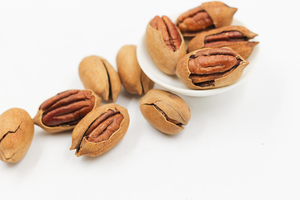
Nuts like almonds, walnuts, and cashews provide protein along with healthy fats and fiber. Cashews are especially versatile because they blend into creamy sauces and cheeses, making them a popular base for vegan spreads. Hemp seeds, chia seeds, and pumpkin seeds are concentrated sources—just a tablespoon adds noticeable protein to oatmeal, yogurt, or salad.
A quick tip: keep a jar of roasted chickpeas or spiced nuts on your desk for an instant protein and fat boost to any lunch.
Fiber-rich vegetables and grains for lasting fullness
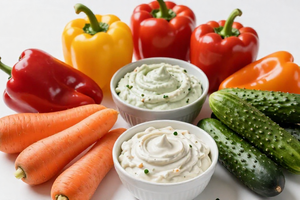
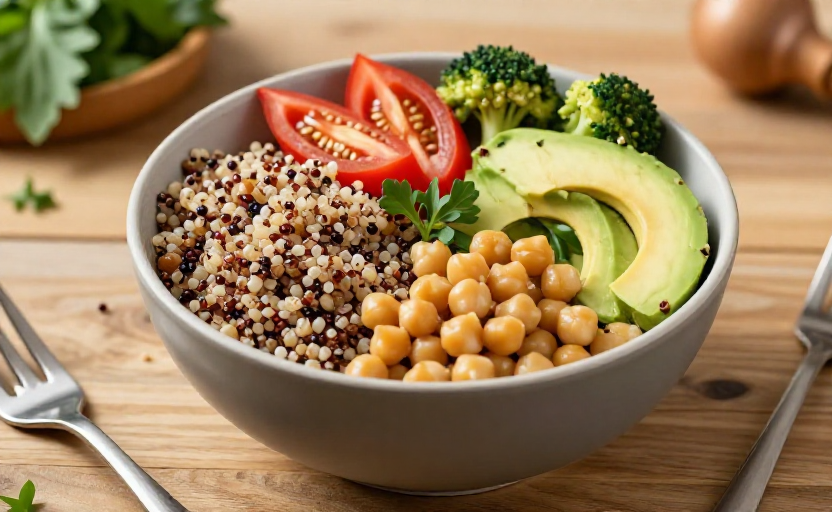
Non-starchy vegetables like leafy greens, cucumbers, and bell peppers provide volume and fiber with few calories. But for real staying power, include whole grains such as quinoa, brown rice, farro, or barley. These complex carbohydrates digest slowly and keep your blood sugar steady. A quinoa bowl with black beans, roasted vegetables, and avocado is a complete meal in under 15 minutes if you have cooked quinoa on hand.
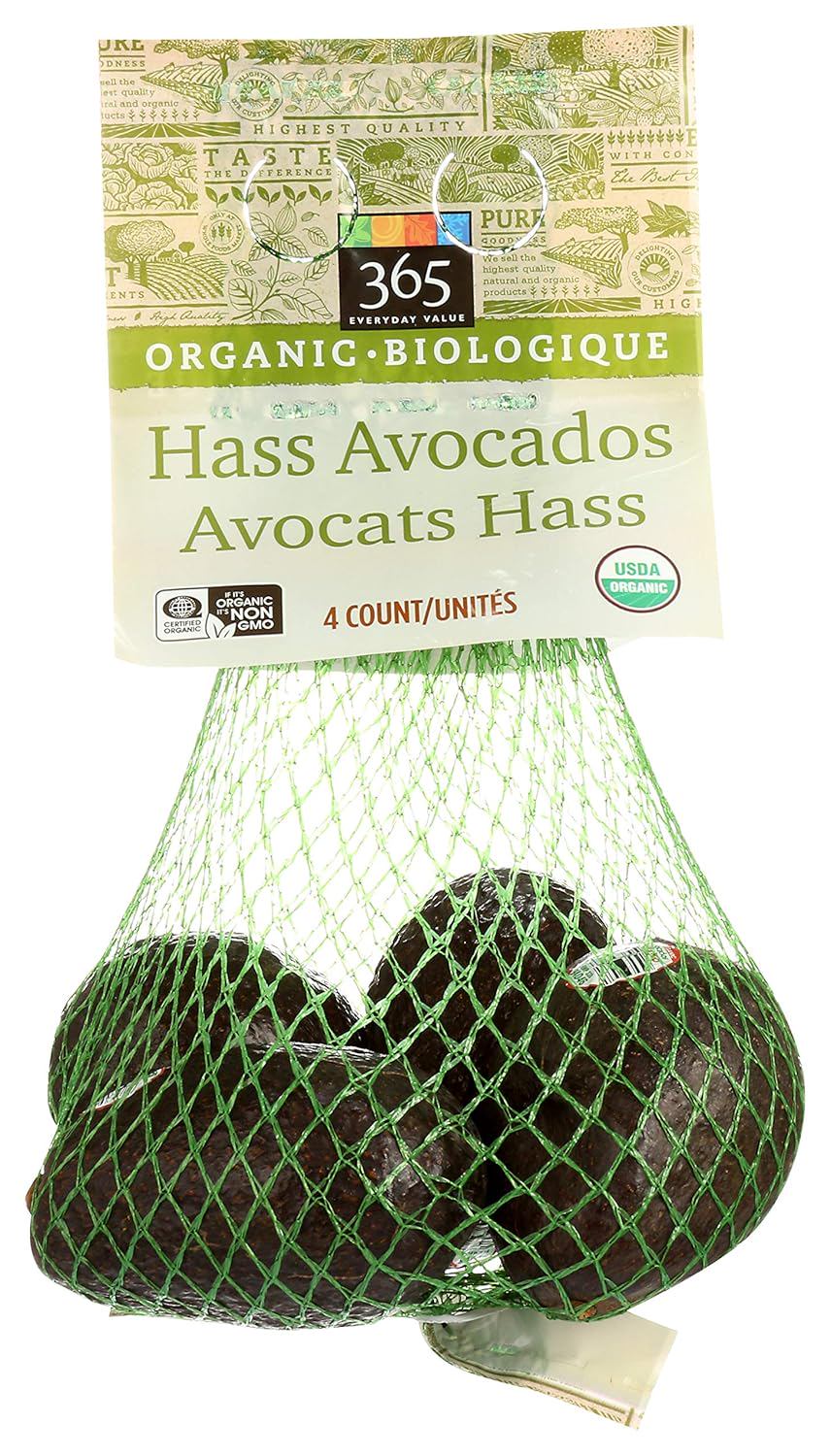
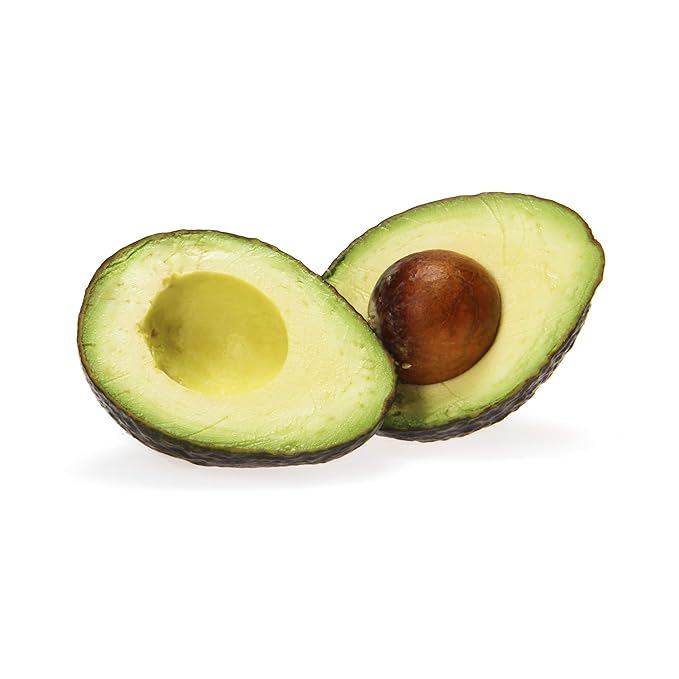
Dietitians also recommend including avocado or a drizzle of olive oil for healthy fat. These not only improve satiety but help your body absorb fat-soluble vitamins from vegetables.
Three dietitian-approved quick lunch ideas
1. The hearty grain bowl
Start with a base of cooked quinoa or farro (make a batch on Sunday). Add canned chickpeas or lentils, a handful of spinach, chopped cucumber, cherry tomatoes, and a quarter of an avocado. Dress with lemon juice, olive oil, salt, and pepper. This takes under five minutes to assemble and delivers protein, fiber, and healthy fat in every bite.
2. The protein-packed wrap
Use a whole-grain tortilla. Spread a layer of hummus or mashed avocado. Fill with Greek yogurt (or cottage cheese), shredded carrots, sliced bell peppers, and a handful of greens. Roll tightly. This is portable, doesn't require reheating, and provides a balanced mix of nutrients.
3. The quick cashew cream cheese sandwich
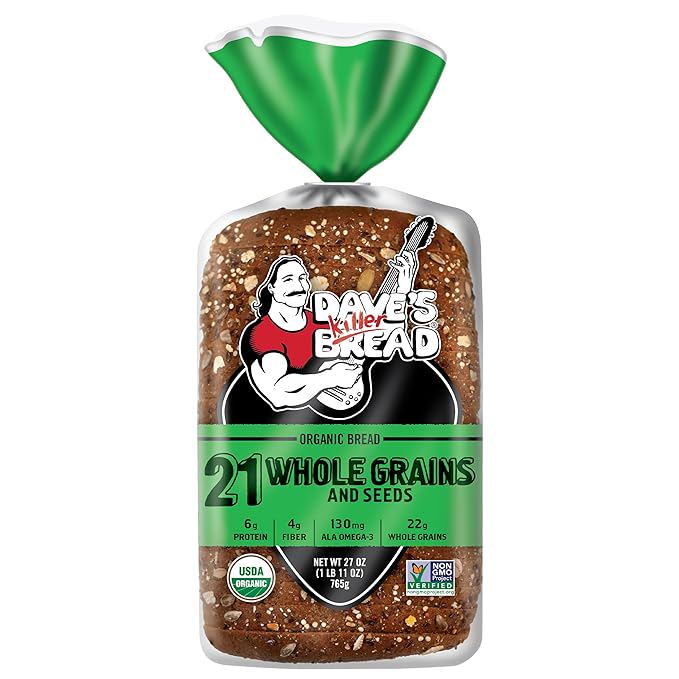
For a creamy, satisfying option, try a cashew cream cheese and cucumber sandwich. Soak cashews overnight, then blend with a little olive oil, lemon juice, and salt to create a smooth spread. Apply generously to whole-grain bread, layer with cucumber rounds, fresh herbs like basil or parsley, and a pinch of salt and pepper. The cashew cheese provides protein and healthy fat, while the cucumber adds crunch and hydration. This comes together in minutes if you have the cashew cream prepared ahead.
Cashew cream cheese is a versatile staple. Keep a jar in the fridge for sandwiches, wraps, or even as a dip for vegetables.
Common mistakes that sabotage a vegetarian lunch
Even with good intentions, some habits can leave you hungry soon after eating. Skipping the protein is the most common error—a salad without beans, cheese, or nuts is mostly water and fiber. Another mistake is relying solely on low-fat dressings or fat-free yogurts. Fat is what signals satiety. Without it, you may feel unsatisfied even after a large volume of food.
Dietitians also caution against overly restrictive portions. A lunch that's too small in calories, even if perfectly balanced, won't carry you through the afternoon. Aim for a meal that feels substantial—around 400 to 500 calories for most adults—with visible portions of protein, vegetables, and a whole grain or starchy vegetable.
Simple prep strategies for busy days
A little advance preparation makes a vegetarian lunch that keeps you full completely achievable. Cook a batch of quinoa or farro on the weekend. Wash and chop sturdy vegetables like bell peppers, carrots, and cucumbers. Make a batch of cashew cream cheese or hummus. Hard-boil a few eggs. When lunchtime comes, you can assemble a balanced meal in under ten minutes.
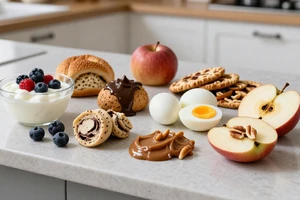
Keep a few emergency items at your desk or in your bag: single-serving packets of nut butter, a small bag of roasted chickpeas, or a container of chia seeds. These can turn a sparse salad or a simple piece of fruit into a more substantial meal.
Dietitians emphasize that a satisfying vegetarian lunch doesn't require expensive specialty products or hours of cooking. With a few staple ingredients and the right combination of protein, fiber, and fat, you can create meals that keep you energized and full until dinner.