Morning routines can be rushed, but a heart-smart breakfast doesn't have to be complicated. For anyone following a plant-based diet—or simply looking to eat more plants—the key is combining ingredients that support cardiovascular wellness without keeping you in the kitchen for long. Think whole grains, legumes, healthy fats, and colorful vegetables. These foods work together to provide fiber, potassium, and antioxidants while naturally being low in saturated fat.
The morning meal is an ideal time to load up on nutrients that help manage blood pressure and cholesterol. Below we explore a variety of quick, satisfying plant-based breakfast ideas, along with a closer look at one especially balanced option: a veggie-and-bean burrito wrap that comes together in minutes.
Why Plant-Based Breakfasts Support Heart Health
A heart-healthy diet emphasizes minimally processed plant foods. According to the American Heart Association, eating more fruits, vegetables, whole grains, legumes, nuts, and seeds can reduce the risk of heart disease. These foods are naturally rich in soluble fiber (which helps lower LDL cholesterol), potassium (which helps regulate blood pressure), and anti-inflammatory compounds. A plant-based breakfast also tends to be lower in sodium and added sugars than many conventional morning meals. Starting the day this way sets a positive tone for your eating patterns for the rest of the day.
Key Components of a Heart-Smart Plant-Based Breakfast
Building a breakfast that supports cardiovascular health does not require a long list of exotic ingredients. Focus on these core elements:
- Whole grains such as oats, quinoa, brown rice, or whole-wheat tortillas provide steady energy and fiber.
- Legumes like black beans, chickpeas, or lentils add protein, soluble fiber, and minerals like magnesium.
- Healthy fats from avocados, nuts, seeds, or olive oil support heart function and help absorb fat-soluble vitamins.
- Colorful vegetables and fruits deliver antioxidants, vitamins, and additional fiber. Aim for a variety of colors.
When these components are combined, you get a meal that is satiating, nutrient-dense, and aligned with heart-health guidelines.
Quick Plant-Based Breakfast Ideas for Busy Mornings
Here are a few simple, no-recipe-required ideas that take ten minutes or less:
- Overnight oats with berries and flaxseed. Mix rolled oats, plant-based milk, a tablespoon of ground flaxseed, and a handful of frozen berries the night before. In the morning, top with a few walnuts.
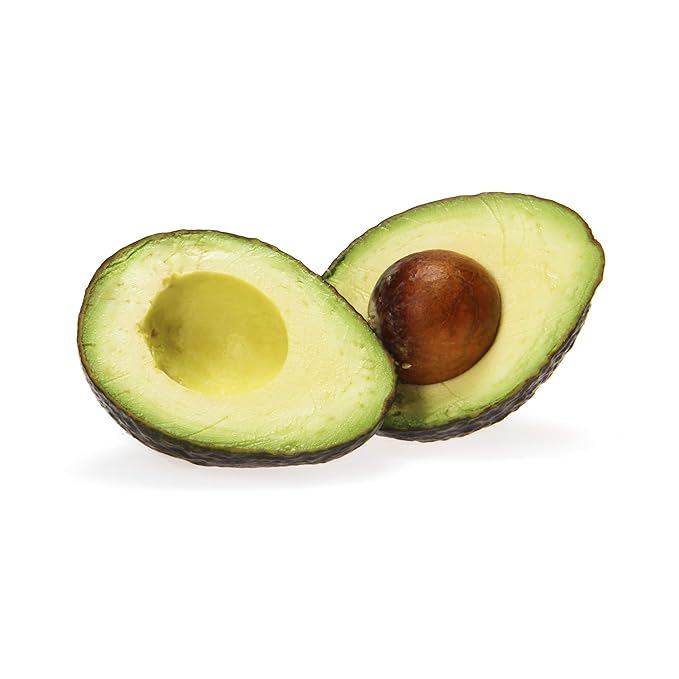
- Avocado toast on whole-grain bread. Mash half an avocado, spread on toast, and top with a sprinkle of chili flakes, a squeeze of lime, and a few cherry tomato halves.
- Green smoothie bowl. Blend a handful of spinach, a frozen banana, a tablespoon of almond butter, and unsweetened oat milk. Pour into a bowl and top with sliced almonds and hemp seeds.
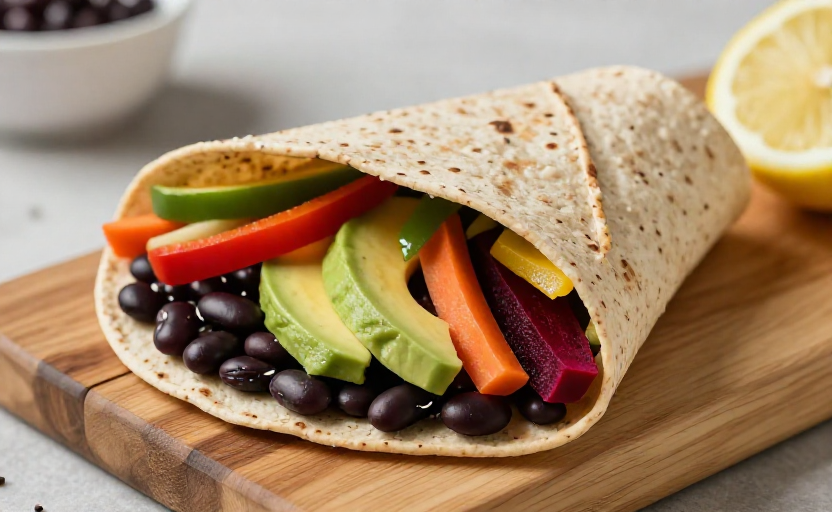
- Black bean and avocado wrap. A balanced, savory option that is both portable and filling. This is the recipe we will detail next.
A Closer Look: The Veggie-and-Bean Burrito Wrap Breakfast
This burrito wrap is a perfect example of a quick, plant-based breakfast built for heart health. It uses a whole-wheat tortilla (or chapati) as the base, then layers in black beans for fiber and plant protein, brown rice for complex carbohydrates, and a rainbow of vegetables for micronutrients. Mashed avocado provides heart-healthy monounsaturated fat. The best part? It comes together in the time it takes to toast the tortilla.
Ingredients
- 1 whole-wheat tortilla or half-cooked chapati
- About 2 tablespoons boiled black beans
- 2 tablespoons thinly sliced bell pepper (capsicum)
- 2 tablespoons thinly sliced onion
- 2 tablespoons thinly sliced cucumber
- 2 tablespoons thinly sliced carrot
- 2 tablespoons thinly sliced beetroot
- 2 tablespoons boiled sweet corn
- ½ mashed avocado
- About ¼ cup boiled brown rice
- Juice of ½ lemon
- Salt and pepper to taste
- Olive oil for cooking
Method
- In a bowl, combine the black beans, all the sliced vegetables, brown rice, sweet corn, lemon juice, salt, pepper, and a teaspoon of olive oil. Toss gently.
- Add the mashed avocado and stir to combine. The avocado helps bind the filling.
- Warm a pan over medium heat and lightly grease with olive oil. Place the tortilla or chapati in the pan and cook until it is golden and slightly crisp on both sides.
- Transfer the tortilla to a plate. Spoon the vegetable-bean mixture down the center. Roll it up gently, tucking in the sides.
- Slice in half and enjoy immediately.
This wrap is a balanced meal on its own because it includes carbohydrates (brown rice, tortilla), protein and fiber (black beans, vegetables), and healthy fats (avocado, olive oil). The combination of fiber and protein helps you feel full for hours, which can prevent mid-morning snacking on less heart-healthy options. Plus, the variety of vegetables supplies a wide range of vitamins and antioxidants.
Making Heart-Healthy Breakfasts a Habit
Consistency matters more than perfection. You do not need to eat a different elaborate breakfast every day. Finding two or three simple, reliable options—like the burrito wrap, overnight oats, or avocado toast—makes it easier to stick with a heart-supporting diet. Prep ingredients on the weekend: cook a batch of brown rice, chop vegetables, and store them in airtight containers. Then assembling a breakfast like this wrap takes under five minutes on a busy morning.
Remember that a heart-healthy breakfast is just one part of an overall healthy lifestyle. Regular physical activity, stress management, adequate sleep, and not smoking are all important. If you have specific concerns about your heart health or dietary needs, consult a healthcare provider or a registered dietitian who can offer personalized guidance.