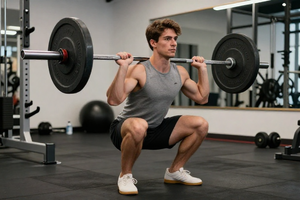

Compound lifts — deadlifts, squats, bench presses, rows, and overhead presses — place a heavy demand on your entire system. They are not the time to wing your nutrition. Eating the right pre-workout fuel can mean the difference between a productive session and one that leaves you drained or lightheaded. Dietitians who work with strength athletes have a clear playbook for what to eat before these big movements, and it is more flexible than you might think.
The goal is straightforward: give your muscles readily available energy, support your nervous system, and avoid digestive upset under a loaded barbell. Here is exactly how to build a pre-compound lift meal or snack, backed by sports dietitians.
Why compound lifts need specific fuel
Compound exercises recruit multiple large muscle groups at once. They rely heavily on the phosphocreatine and glycolytic energy systems — both of which burn through glycogen and ATP quickly. Without adequate carbohydrate stores, your reps will slow, your form may break down earlier, and your recovery could take a hit.
Protein intake before these lifts is also important, but primarily for signaling muscle protein synthesis to start, not for immediate energy. Fat and fiber are minimal here because they slow gastric emptying and can lead to that heavy, sloshy feeling midway through your set.
Key principle from dietitians: Prioritize easily digested carbohydrates first, add a modest amount of protein second, and keep fat and fiber low.
The ideal macronutrient breakdown
According to registered dietitians who specialize in strength sports, a solid pre-compound lift meal or snack falls within these guidelines when eaten 60 to 90 minutes before training:
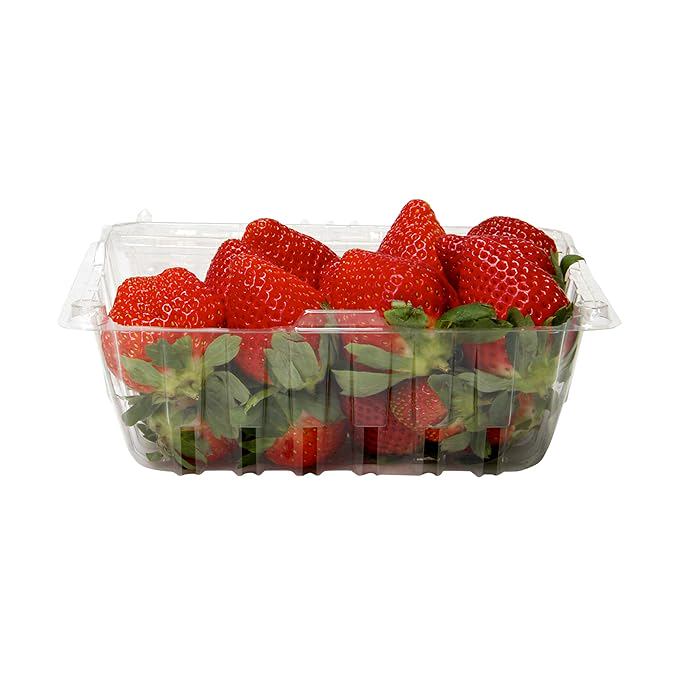
- Carbohydrates: 30 to 60 grams, focusing on low-fiber options such as white rice, white bread, bananas, or simple oats.
- Protein: 10 to 20 grams of a quickly digestible source like whey, chicken breast, or egg whites.
- Fat and fiber: Keep both under 5 grams combined in this meal to avoid delayed digestion and bloating.
If you train early in the morning with less than an hour to spare, dietitians often recommend dropping the protein portion and using a smaller carb-only snack, such as half a banana or a few rice cakes with jam.
Four dietitian-approved pre-lift options
You do not need a boutique pre-workout product. Real food works, and these combinations are backed by sports nutrition research and clinical practice:
- White rice cake with honey and a side of egg whites: Quick-digesting carbs from the rice cake and honey paired with lean, fast-absorbing protein. No fiber, almost no fat.
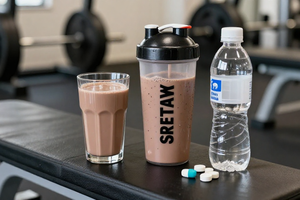
- Banana and a scoop of whey protein isolate: The banana provides around 30 grams of simple carbs, and whey isolate has minimal lactose and fat. Blend into a small smoothie or eat whole.
- Plain bagel with a thin layer of jam: Bagels are dense in refined carbs. Skip the cream cheese (too much fat) and use jam for quick sugar. Have a small glass of milk or an egg white patty on the side for protein if you have time.
- Instant white rice with a small portion of grilled chicken breast: A good option for a pre-workout meal eaten about two hours before lifting. Season lightly and avoid buttery or creamy sauces.
Timing matters as much as the food
Eating too close to your compound lifts can impair performance by diverting blood flow to digestion. Dietitians generally recommend:
- Large meal (400–600 calories): eat 2 to 3 hours before lifting.
- Small meal or snack (200–400 calories): eat 60 to 90 minutes before lifting.
- Mini snack (100–150 calories, mostly carbs): eat 15 to 30 minutes before lifting if needed.
Individual tolerance varies. If you get nervous before heavy sets, a larger gap may help. Experiment during lower-intensity sessions before you try it on a PR attempt.
What to avoid before compound lifts
Several common foods can sabotage your energy or cause discomfort under a barbell. Dietitians flag these as ones to skip in the pre-lift window:
- High-fat proteins: Fatty cuts of beef, pork belly, or fried chicken linger in your stomach and can make you feel sluggish.
- High-fiber vegetables: Broccoli, cauliflower, beans, and lentils cause gas and bloating in many people, which can interfere with bracing during squats and deadlifts.
- Full dairy drinks: Whole milk or heavy yogurt before lifting can cause stomach upset for those with lactose sensitivity. Stick to whey isolate, lactose-free milk, or a small amount of Greek yogurt if you tolerate it.
- Spicy or heavily seasoned foods: These can cause reflux or heartburn, especially during bent-over movements like rows or deadlifts.
Hydration is part of the equation
Even mild dehydration can drop your strength output. Dietitians advise sipping water throughout the day and drinking 8 to 16 ounces of water about 30 minutes before lifting. If you sweat heavily or train in a hot environment, an electrolyte drink with minimal added sugar (under 10 grams per serving) can help maintain power and focus.
Avoid downing a large bottle of water right before you lift—it can lead to sloshing and discomfort. Spread your fluid intake evenly over the pre-workout hour.
Should you use caffeine before compound lifts?
Caffeine is one of the few supplements with solid research behind acute strength performance. A moderate dose — roughly 3 to 6 mg per kilogram of body weight — taken 30 to 60 minutes before training can increase power output, reduce perceived effort, and improve focus on heavy compounds.
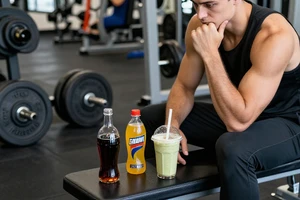
Sources like black coffee, unsweetened green tea, or a single serving of caffeine from a pre-workout formula are fine, as long as you know your tolerance and do not rely on it as a substitute for proper food fuel. Dietitians warn against high-calorie sugary energy drinks before lifting, as they can spike and crash blood sugar mid-session.
The right pre-lift nutrition does not have to be complicated. Focus on carbohydrates from low-fiber sources, a moderate amount of lean protein, and minimal fat and fiber. Time your meal based on digestion comfort. Hydrate consistently. With these principles in place, you will walk into your compound lifts with better energy, steadier strength, and less risk of stomach issues.