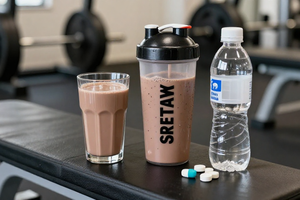

Starting a consistent strength-training routine—say, three workouts per week—is a major win for your health. But if you have ever woken up the morning after a workout feeling like your arms are made of overcooked pasta, you already know that recovery is half the battle. What you eat in the hours after exercise directly influences how quickly your muscles rebuild and strengthen.
As a beginner, your body is adapting to new mechanical loads, making targeted nutrition especially helpful. These five foods are backed by solid research to support muscle protein synthesis, reduce inflammation, and replenish energy stores without requiring a complicated meal plan.
Why muscle repair matters more at the start
When you challenge your muscles with resistance training, you create micro-tears in the muscle fibers. Your body repairs these tears by fusing muscle fibers together, which increases their size and strength over time. This process is called muscle protein synthesis. Without adequate building blocks—namely, amino acids from dietary protein and supportive nutrients from whole foods—that repair process can lag, leaving you sore longer and potentially slowing your progress.
As a beginner training three times a week, you are likely experiencing neuromuscular adaptation alongside muscle growth. This means your nervous system is learning to recruit muscle fibers more efficiently, but your muscle tissue itself is still vulnerable to breakdown if recovery nutrition is overlooked.
1. Eggs
Eggs are often called a gold-standard protein source for good reason. One large egg provides about six grams of high-quality protein, with a complete amino acid profile that includes leucine, the key amino acid that triggers muscle protein synthesis. The protein in eggs is also highly digestible, meaning your body can absorb and use it efficiently.
Research indicates that consuming around twenty grams of protein shortly after a workout stimulates muscle repair in most people. For a beginner recovering from a moderate strength session, two to three whole eggs can meet that need. The yolk contains important micronutrients like vitamin D, choline, and zinc that support immune function and cellular repair. Unlike some other protein sources, eggs are quick to cook and pair easily with vegetables, whole grains, or a slice of toast for a balanced post-workout meal.
2. Fatty fish (salmon, sardines, or mackerel)
Salmon, sardines, and mackerel do more than provide protein. They deliver long-chain omega-3 fatty acids EPA and DHA, which have been shown to reduce exercise-induced muscle soreness and support the resolution of inflammation after training. A 2020 review in the journal Nutrients highlighted that omega-3 supplementation can attenuate muscle soreness and accelerate strength recovery in untrained individuals starting exercise programs.
A single serving of cooked salmon (about three to four ounces) offers roughly twenty-two grams of protein and a substantial dose of EPA/DHA. Sardines are a convenient, budget-friendly alternative and can be added to salads or whole-grain crackers. Including fatty fish twice per week is a practical target, especially on days when you have a training session.
3. Greek yogurt
Greek yogurt packs nearly twice the protein of regular yogurt and contains a favorable balance of casein and whey proteins. Whey digests quickly, providing a fast spike of amino acids right after your workout, while casein clots in the stomach and releases amino acids slowly over several hours. This dual action can support overnight repair if you eat yogurt as an afternoon snack or part of your dinner.
Choose plain, unsweetened Greek yogurt to avoid added sugars. A single serving (about three-quarters of a cup) supplies around eighteen grams of protein plus calcium, which is involved in muscle contraction and bone health. You can mix in berries for antioxidants that help manage oxidative stress from training or a tablespoon of nuts for healthy fats and vitamin E.
4. Tart cherries
Tart cherries, especially the Montmorency variety, have gained attention for their role in exercise recovery. They are rich in anthocyanins, plant compounds that reduce inflammation and oxidative damage. Several studies have found that tart cherry juice or whole cherries can decrease markers of muscle damage and perceived soreness after strength or endurance exercise.
One study in the Journal of the International Society of Sports Nutrition showed that men who consumed tart cherry juice before and after resistance training reported less strength loss and lower pain levels compared to a placebo group. While tart cherries are not a protein source, they complement high-protein foods by addressing the inflammatory side of recovery. A handful of dried tart cherries, a small glass of unsweetened tart cherry juice, or frozen cherries blended into a smoothie are easy ways to add them to your routine after a workout.
5. Lentils
Lentils are an excellent choice for anyone who wants to support muscle repair through plant-based nutrition or simply add more fiber and minerals to their diet. A cup of cooked lentils provides about eighteen grams of protein along with complex carbohydrates that restore glycogen stores depleted during exercise. They also supply iron, folate, and magnesium—nutrients that support oxygen transport and energy metabolism in muscle cells.
The protein in lentils is not as complete as animal proteins, but eating them alongside whole grains (such as brown rice or quinoa) or with a small amount of animal protein creates a full amino acid profile. For beginners, lentil soup or a lentil and roasted vegetable bowl makes an easy, batch-cook-friendly meal that can be eaten after training sessions throughout the week.
Putting it together around your three weekly workouts
You do not need to eat all five foods every day. A practical approach is to include at least two of these foods on the days you train. For example, have eggs for breakfast on a training day, then tart cherries as a post-workout snack, followed by a dinner featuring salmon and lentils. On rest days, Greek yogurt with fruit or a lentil-based soup can keep recovery ticking without overcomplicating your meals.
Hydration, sleep, and consistent training matter just as much. Food is one lever you can pull that directly affects how your body responds to the work you are putting in at the gym. By focusing on these five evidence-backed options, you give your muscles the raw materials they need to rebuild stronger for your next session.
This content is for general wellness education only and does not replace individualized medical or dietary advice. Always consult a healthcare provider before making significant changes to your diet or exercise routine.