If you’ve ever watched a dark or red mark linger long after a pimple has faded, you know the frustration of post-acne discoloration. While topicals play a crucial role, what you eat provides the foundational building blocks your skin needs to repair itself. Nutrition doesn’t work like a spot treatment, but a consistent, supportive diet can help calm inflammation, accelerate healing, and reduce the pigment changes that acne can leave behind.
Think of your skin as a construction site after damage. The right nutrients are the skilled workers and quality materials needed for a clean, swift rebuild. Without them, the repair process can be slow, messy, and more likely to leave a noticeable trace. This approach is about feeding your skin’s natural resilience from the inside.
How food influences post-acne healing
Post-inflammatory hyperpigmentation—those flat spots of discoloration—occurs when an acne lesion triggers an inflammatory response. This inflammation can stimulate melanocytes, the pigment-producing cells in your skin, to go into overdrive. The goal of a healing-focused diet is twofold: to dampen that initial inflammatory fire and to support the skin’s cellular turnover process so that the pigmented surface cells can be shed and replaced more efficiently.
Key nutrients act at different stages. Antioxidants help neutralize free radicals generated by inflammation. Zinc aids in tissue repair and regulates oil production. Omega-3 fatty acids are like natural anti-inflammatory agents. And certain vitamins are essential co-factors in the complex process of skin cell regeneration. It’s a symphony of support, where each nutrient plays a distinct part.
Foods to emphasize for skin repair
Build your meals around these nutrient-dense allies. Variety is key, as each offers a unique blend of compounds that support healing.
Colorful fruits and vegetables
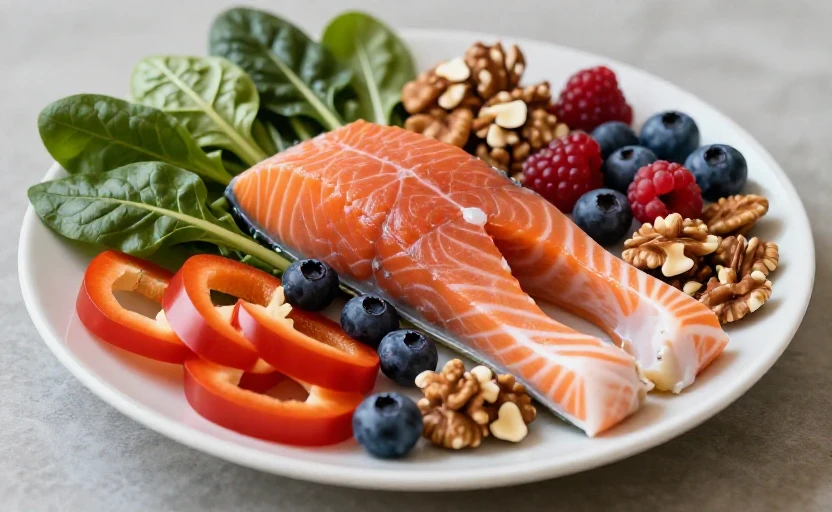
The pigments that give plants their vibrant colors are often powerful antioxidants. Vitamin C, found abundantly in bell peppers, citrus, strawberries, and broccoli, is a superstar. It’s essential for collagen synthesis, which gives skin its structure, and it also acts as a brightening agent by interfering with the enzyme (tyrosinase) that produces pigment.
Don’t overlook dark leafy greens like spinach and kale. They’re rich in vitamin K and folate, which are involved in the wound-healing process, and lutein, which helps protect skin from oxidative stress.
Quality proteins
Protein provides the amino acids that are the literal bricks and mortar for new skin cells. After inflammation, your body needs these raw materials to rebuild. Focus on lean sources that also deliver other skin-friendly nutrients. Fatty fish like salmon and mackerel provide high-quality protein plus omega-3s. Eggs offer protein along with biotin and vitamin A. Legumes, lentils, and tofu are excellent plant-based options that also provide fiber to support a healthy gut, which is increasingly linked to skin health.
Healthy fats
Fat is not the enemy—the right kinds are crucial for supple, hydrated skin and managing inflammation. The omega-3 fatty acids in walnuts, chia seeds, flaxseeds, and the fish mentioned above are profoundly anti-inflammatory. Monounsaturated fats, like those in avocados and olive oil, help maintain the skin’s lipid barrier, keeping it hydrated and better able to protect itself.
A simple rule: aim for a colorful plate. The more varied the hues in your fruits and vegetables, the broader the spectrum of antioxidants and phytonutrients you’re likely consuming to support skin recovery.
Zinc-rich foods
Zinc is a multitasking mineral for acne-prone and healing skin. It helps regulate sebum production, has anti-inflammatory properties, and is necessary for proper immune function and protein synthesis—all vital for repair. Pumpkin seeds are a top plant source. You’ll also find it in shellfish, legumes, and whole grains.
Foods and habits that may slow healing
Just as some foods support repair, others can potentially fuel inflammation or spike blood sugar in a way that may exacerbate skin issues for some people. This isn’t about strict deprivation, but mindful awareness.
- High-glycemic foods: Refined carbohydrates and sugars (think white bread, pastries, sugary drinks) can cause rapid spikes in blood sugar and insulin. This may influence hormone fluctuations and inflammation, potentially worsening acne and impeding clear healing. Opt for whole grains, sweet potatoes, and legumes for more stable energy.
- Dairy (for some individuals): The research on dairy and acne isn’t conclusive for everyone, but some studies suggest a link for certain people, possibly due to hormones or growth factors in milk. If you suspect dairy affects your skin, try reducing it for a few weeks and observe any changes in breakouts or healing.
- Inflammatory fats: An imbalance where omega-6 fats (prevalent in many processed seed oils and fried foods) vastly outweigh omega-3s in the diet can promote a state of systemic inflammation. Focus on balancing your fat sources.
- Alcohol: It’s dehydrating and can deplete the body of skin-repair nutrients like vitamin A and zinc. Moderation is wise when your skin is in recovery mode.
Putting it into practice: A day of eating for skin healing
You don’t need a complicated diet. It’s about consistent, simple choices.
Breakfast: A spinach and mushroom omelet cooked in olive oil, with a side of berries. (Provides protein, vitamins A/C, antioxidants, healthy fats.)
Lunch: A large salad with mixed greens, chickpeas, avocado, cherry tomatoes, bell peppers, and pumpkin seeds, dressed with lemon juice and olive oil. (Provides fiber, zinc, vitamin C, healthy fats, plant protein.)
Dinner: Baked salmon with a quinoa side and roasted broccoli. (Provides omega-3s, complete protein, zinc, and vitamin C.)
Snacks: Greek yogurt with a sprinkle of flaxseed, a handful of walnuts, or an orange.
The most impactful step is often replacing sugary beverages with water or herbal tea. Proper hydration ensures nutrients are transported effectively and helps skin cells function optimally.
What to remember about diet and skin
Nutrition is a powerful supportive tool, but it works in concert with other factors. It cannot replace a dermatologist’s guidance for persistent acne or pronounced discoloration. Topical treatments like retinoids, vitamin C serums, and sunscreen are non-negotiable partners in addressing post-acne marks directly.
Be patient. Skin cycles take roughly 28 days, and seeing changes from dietary adjustments requires consistency over weeks, not days. It’s a gentle, foundational approach to giving your skin the resources it needs to heal itself as effectively as possible, leaving you with a clearer, more even complexion from the inside out.