
You've just finished a solid strength session in your living room. The dumbbells are back on the rack, the mat is rolled up, and you're feeling that satisfying burn in your muscles. Now comes a crucial part of the process that many home exercisers skip: refueling. What you eat in the hour or two after lifting doesn't just satisfy hunger—it directly influences how well your body repairs the muscle fibers you just worked, how sore you feel tomorrow, and how ready you are for your next session.
The science of post-workout nutrition is really about timing and balance. Your muscles are primed to accept nutrients, especially protein and carbohydrates, which work together to rebuild tissue and replenish energy stores. The good news is that you don't need a cabinet full of specialized powders or pricey supplements. Smart choices from your regular kitchen can do the job just as effectively.
Why protein matters after lifting at home
When you lift weights, even with moderate resistance, you create microscopic tears in your muscle fibers. This is a normal and necessary part of getting stronger. Protein provides the amino acids your body uses to repair those tears, making the muscle tissue denser and more resilient. Without adequate protein intake after training, that repair process slows down, and you may feel fatigued longer.
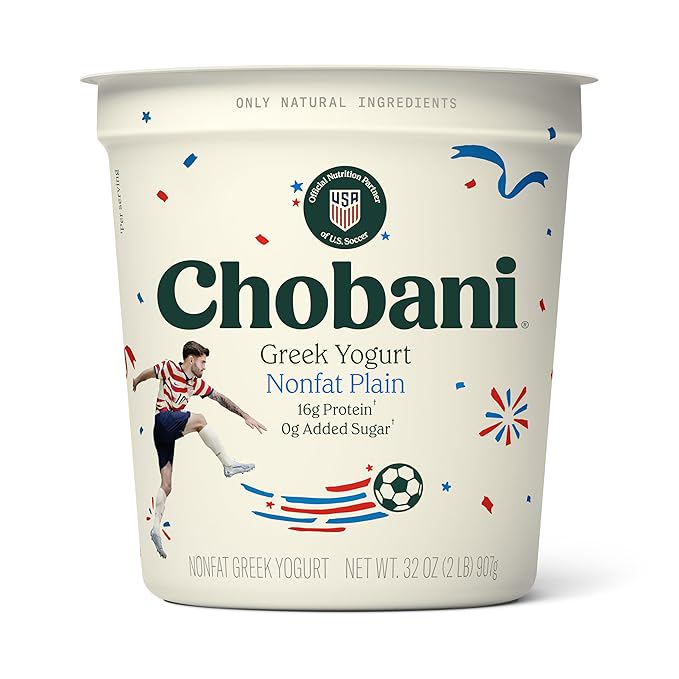
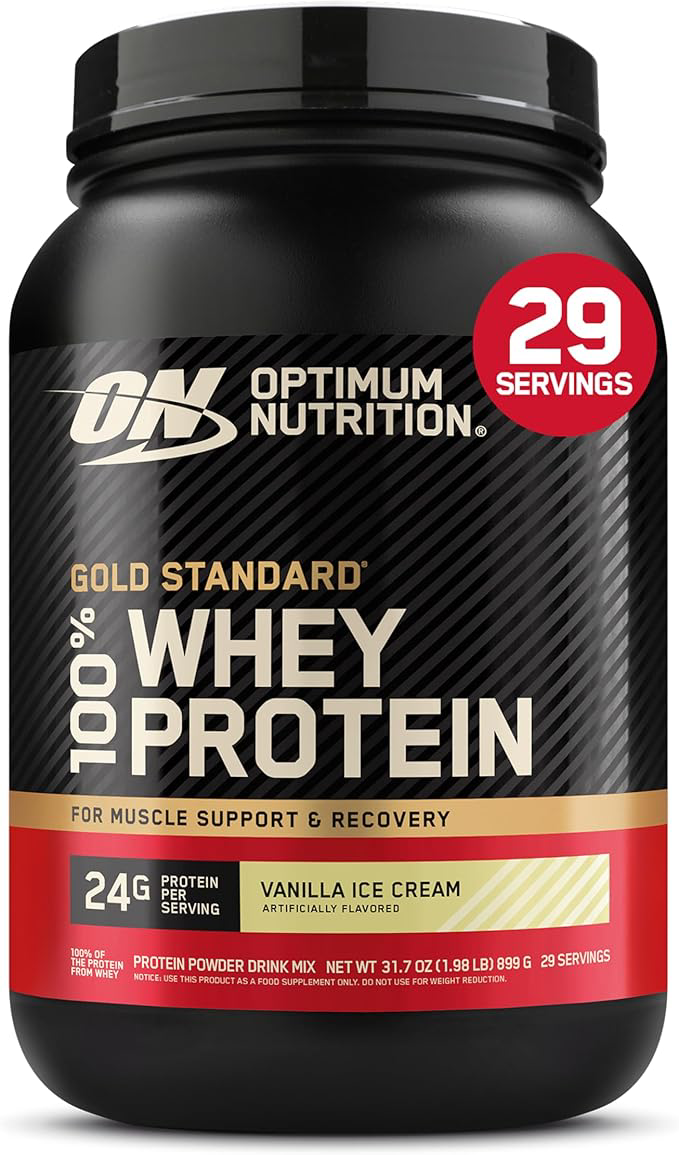
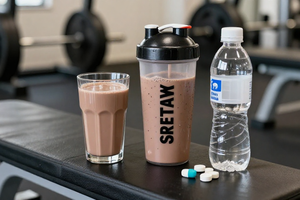
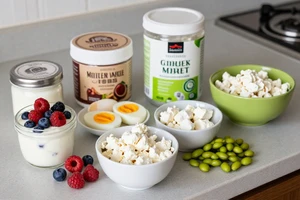
Aim for a serving that delivers roughly 20 to 30 grams of protein within two hours of finishing your workout. This window is when your muscles are most receptive to protein synthesis. If you're working out at home, you have plenty of convenient options: a scoop of whey or plant-based protein powder mixed with water or milk, a container of Greek yogurt, two or three eggs, or a can of tuna or salmon all fit the bill neatly.
Complete vs. incomplete proteins
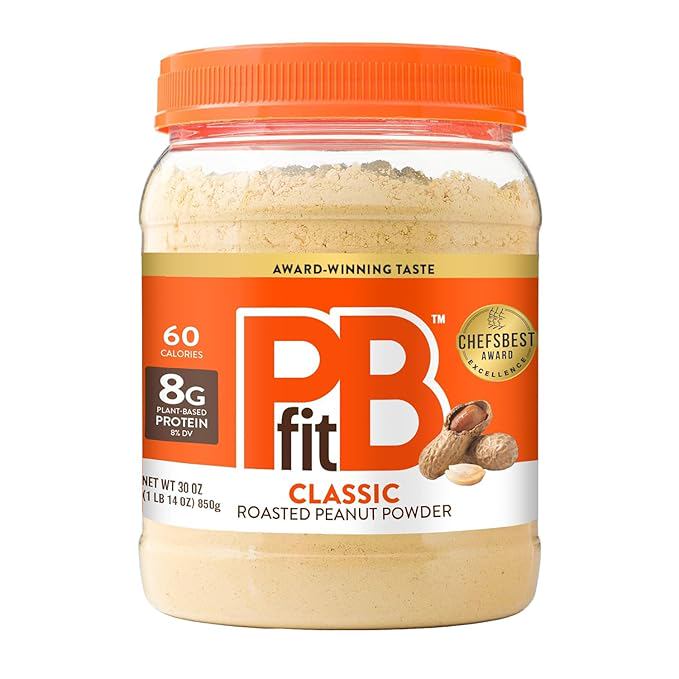
Animal-based proteins like dairy, eggs, and meat are considered complete because they contain all nine essential amino acids your body cannot make on its own. Plant-based proteins such as beans, lentils, nuts, and whole grains are typically incomplete, meaning they lack one or more of those essential amino acids. If you follow a plant-focused diet, you can easily combine sources—think rice and beans or whole-grain toast with peanut butter—to create a complete amino acid profile without much extra effort.
Carbohydrates restore your energy
Strength training depletes the glycogen stored in your muscles, which is the primary fuel your body uses for short bursts of power and longer sets. Carbohydrates are the most efficient way to replenish those stores. Pairing carbs with your post-workout protein also helps shuttle amino acids into muscle tissue more effectively.
You do not need a huge carb load after a typical home session. About 30 to 50 grams of carbohydrates is a reasonable target. That could look like a banana, a cup of cooked oatmeal, a sweet potato, or a handful of dried fruit. If you are doing a longer or more intense workout—say, an hour of heavy compound lifts—you might lean toward the higher end of that range.
A simple rule of thumb: match your post-workout meal to the intensity of your session. A light circuit needs less fuel than a heavy squat day.
Healthy fats have a place, too
Fats often get pushed aside in post-workout discussions because they digest more slowly and could theoretically delay nutrient absorption. However, a moderate amount of fat is fine and even beneficial. Fats support hormone function, including the production of testosterone and growth hormone, both involved in muscle repair. The key is not to overdo it immediately after training. A tablespoon of nut butter, a quarter of an avocado, or a drizzle of olive oil on your vegetables adds flavor and nutrients without slowing recovery noticeably.
Hydration is non-negotiable
Water might not be a food, but it is arguably the most important recovery element. You lose fluid through sweat during even a moderate home strength session, and dehydration can impair muscle repair and increase perceived soreness. Drink water throughout your workout and continue sipping afterward until your urine runs a pale yellow color. If you sweat heavily, consider adding an electrolyte source without excessive sugar, such as coconut water or a pinch of salt in your water bottle.
Simple post-workout meal ideas for home lifters
You do not need elaborate recipes. Here are several straightforward combinations that hit the protein, carb, and hydration targets without demanding much time or cleanup:
- Greek yogurt parfait: One cup of plain Greek yogurt, a handful of berries, and a tablespoon of granola or chopped nuts. This combination offers about 20 grams of protein plus quick-digesting carbohydrates from the fruit.
- Egg toast with avocado: Two scrambled or hard-boiled eggs on a slice of whole-grain toast, topped with a few slices of avocado. This gives you complete protein, healthy fats, and fiber-rich carbs.
- Protein smoothie: One scoop of protein powder, one banana, a cup of unsweetened almond milk, and a handful of spinach. Blend for thirty seconds. This is especially practical if your appetite is low right after training.
- Rice cake with nut butter and banana: Two rice cakes spread with almond or peanut butter, topped with banana slices. Light, portable, and quick to assemble.
- Leftover grilled chicken with roasted sweet potato: If you plan ahead, last night's dinner can be today's perfect recovery meal. Just reheat and eat.
Timing matters less than consistency
A long-standing fitness mantra says you must eat within thirty minutes of finishing your workout. For most home exercisers, this strict window is not necessary. Research suggests that as long as you eat a balanced meal within two hours post-exercise, your muscles will get what they need. The more critical factor is that you actually eat something. It is surprisingly common for people to finish a home workout and then get distracted by other responsibilities, skipping the recovery meal entirely. That pattern, repeated over weeks, can stall progress.
What about protein shakes and bars?
These products are convenient and can be a good option when you are in a rush or do not have whole food available. However, they are not superior to real food. A protein bar might work well after a lunchtime workout when you are heading back to your desk, but a chicken salad sandwich with a piece of fruit is just as effective for recovery. If you choose shakes or bars, read labels to avoid products with excessive added sugar or artificial ingredients. Aim for bars with at least 15 grams of protein and less than 10 grams of sugar.
Don't forget to sleep
Nutrition and sleep are deeply connected when it comes to recovery. Your body releases growth hormone primarily during deep sleep, and that hormone is essential for repairing the muscle tissue you broke down during your strength session. Eating a small protein-rich snack before bed, such as cottage cheese or casein protein, can provide a slow release of amino acids through the night. This is not a requirement for everyone, but it can be helpful for those who train in the evening.
Eating after a home strength session does not need to be complicated. Focus on a balanced mix of protein and carbohydrates, stay hydrated, and be consistent. Your muscles will respond to the regular pattern of challenge and refueling, and your progress will reflect that care. If you have a specific health condition, such as kidney disease or diabetes, it is wise to discuss your post-workout nutrition plan with a healthcare professional who can tailor advice to your individual needs.